Termite Treatment in Orange County
K Termite provides termite treatment in Orange County for homeowners who want straight answers, fair estimates, and treatment options that match the actual condition of their home.

Trusted Termite Treatments Backed by Happy Homeowners



If you’ve noticed termite droppings, damaged wood, discarded wings, mud tubes, or swarmers near windows and lights, our team can inspect the structure, explain what we find, and recommend a practical plan.
Some termite problems can be treated in specific areas. Others need fumigation. Subterranean termites require a different approach than drywood termites. The right recommendation depends on the type of termite activity, how far it has spread, where it is located, and whether the affected areas can be reached directly.
Our inspectors are not commission-based. Your estimate is based on what your home needs, not a sales target. You’ll get clear findings, an honest scope of work, and treatment options you can understand.
K Termite offers localized drywood termite treatment, subterranean termite treatment, borate barrier treatments, preventive perimeter treatments, fumigation, termite inspections, and termite damage wood repair. We also have in-house carpenters, which helps keep treatment and repair work under one coordinated team.
Our Termite Treatment Process
Termite treatment should start with a careful inspection. Guesswork leads to bad estimates, missed activity, and treatment plans that do not fit the home.
K Termite follows a clear process so homeowners know what to expect.

Inspect
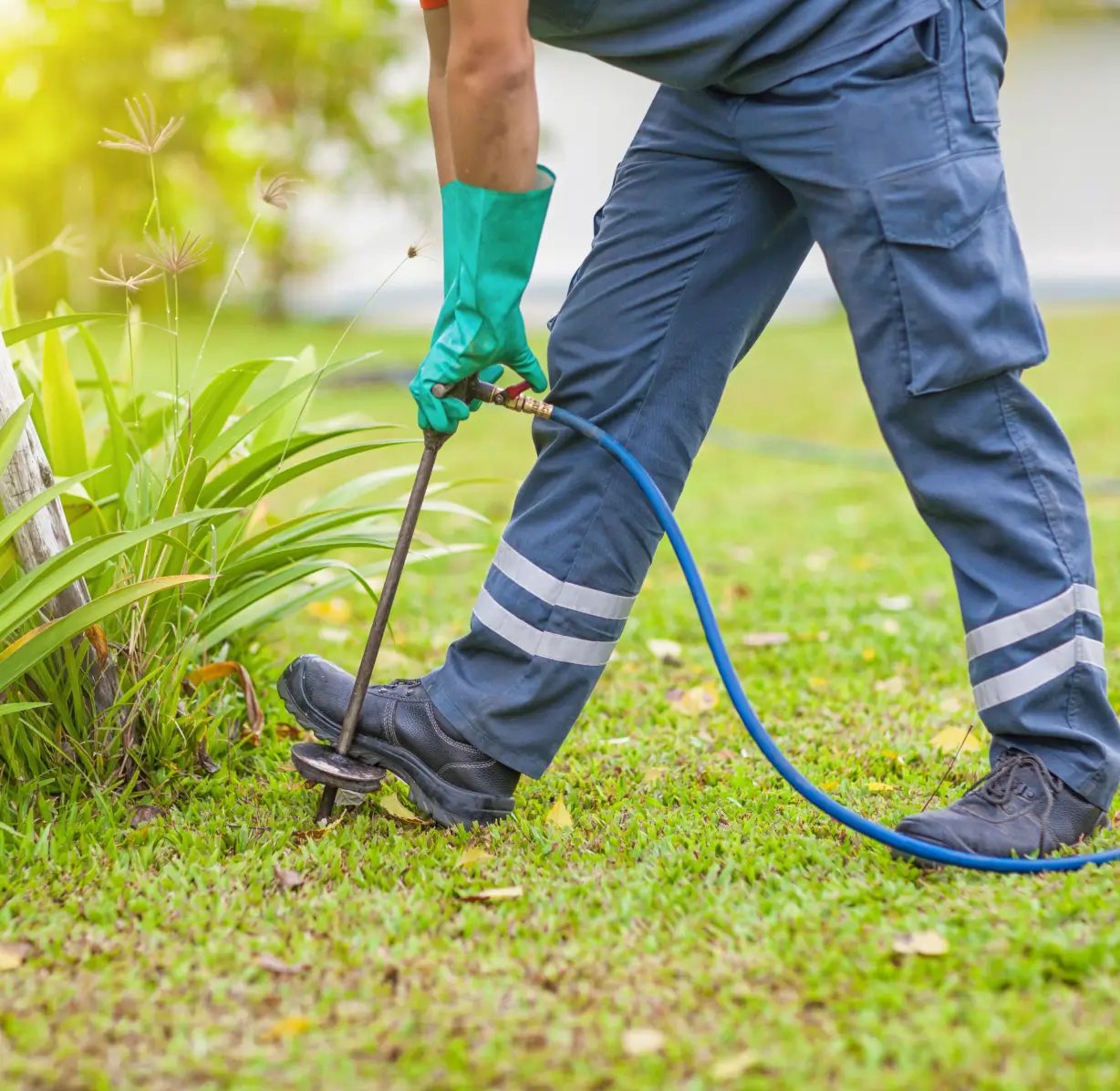
We inspect the accessible areas of your home for termite activity and visible damage.
This may include exterior wood, interior problem areas, attic or crawlspace access when available, fascia, eaves, trim, siding, and other areas where termite signs commonly appear.

Identify
We identify the type of termite activity, the extent of the problem, and the areas that need attention.
When possible, we provide a detailed report and estimate within one business day so you are not left waiting for answers.
Eliminate
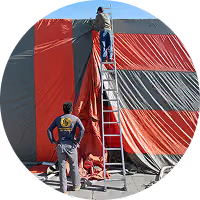
We recommend the termite treatment that fits your home. That may include localized drywood treatment, subterranean termite treatment, borate barrier treatment, preventive perimeter treatment, fumigation, or a combination of services. The recommendation is based on what will work for the condition of the home, not what creates the largest job.
Maintain
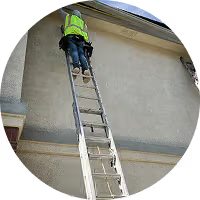
Termite protection does not end when the first treatment is finished. K Termite offers warranty-backed options and a Termite Protection Policy with annual inspections and included treatments, depending on the coverage selected. That gives homeowners a simpler way to monitor termite activity over time.
Localized Termite Treatment Options
Localized termite treatment may be the right fit when termite activity is limited to specific, accessible areas. It can be a practical option for homeowners who want effective treatment without leaving the home, especially when the infestation has not spread throughout the structure. K Termite offers localized treatment options for active termite problems and preventive protection.
Drywood Termite Treatment
Drywood termites live inside the wood they feed on. In Southern California homes, activity often appears in attic framing, eaves, fascia boards, window frames, trim, and exposed exterior wood.
When drywood termite activity is limited and accessible, localized treatment may be effective. K Termite technicians apply treatment directly into infested wood members so the product reaches the galleries where termites live and move.
Localized drywood treatment may be a good fit when:
Activity is limited to identifiable areas
The affected wood can be accessed directly
The homeowner wants treatment without vacating the home
The property is an attached unit where fumigation is not practical
The inspection does not show widespread drywood termite activity
Subterranean Termite Treatment
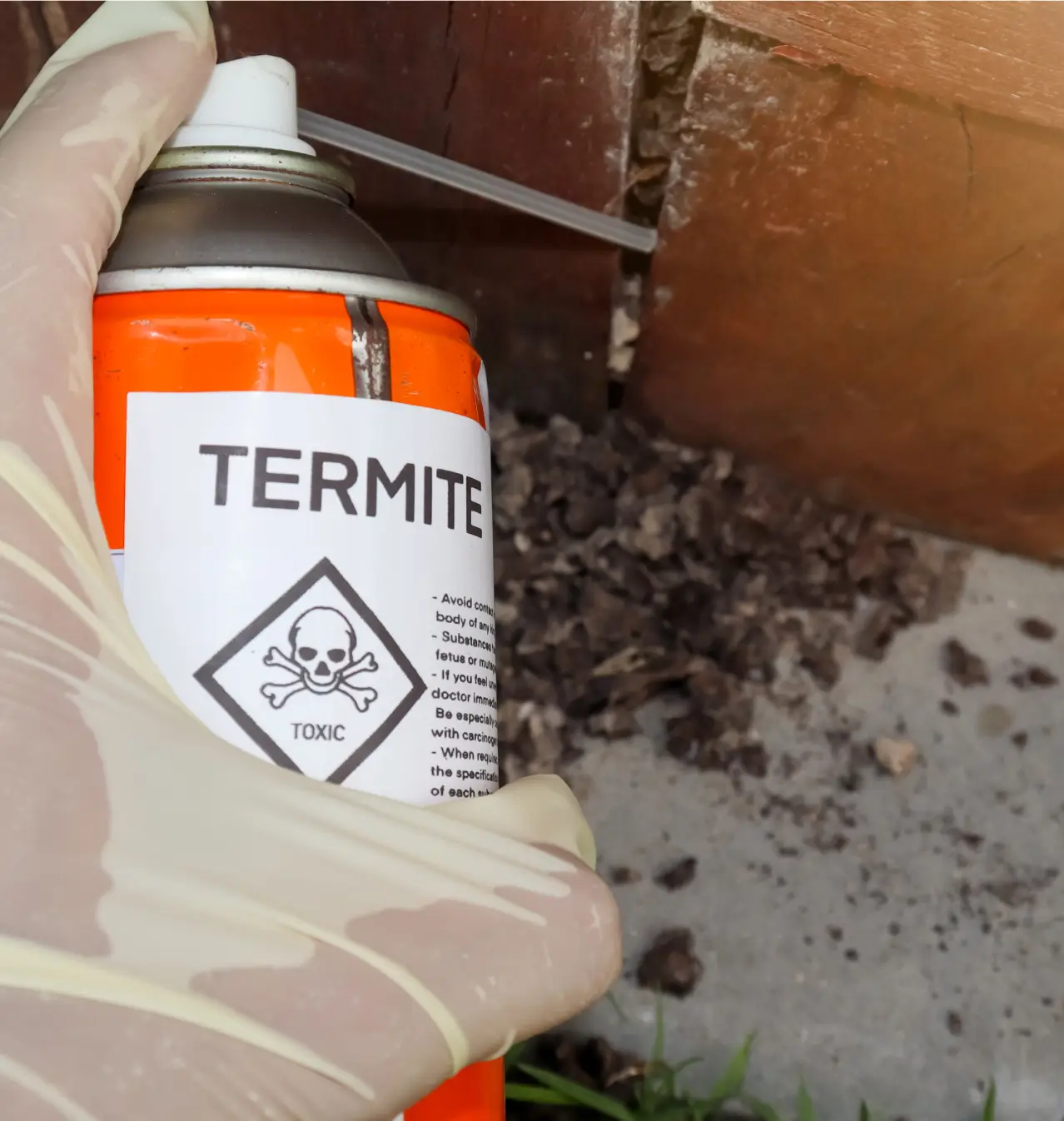
Subterranean termites are different from drywood termites. They usually nest in the soil and move into a home through mud tubes, foundation gaps, plumbing penetrations, expansion joints, or other entry points. Fumigation does not solve a subterranean termite problem at the source. It may affect termites inside the structure at the time of fumigation, but it does not stop termites from returning from the soil. Subterranean termite treatment needs to address the entry points and soil conditions tied to the activity.
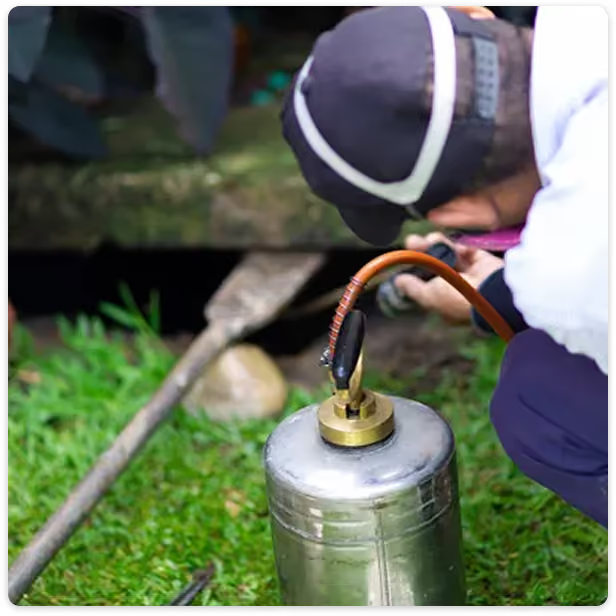
K Termite applies professional liquid treatment at identified entry points and affected areas. As termites move through treated zones, the treatment is carried back toward the colony.
Subterranean treatment may be recommended when we find:

Mud tubes along the foundation or walls
Soil-related termite activity
Wood-to-ground contact
Moisture conditions that support termite movement
Activity near plumbing penetrations or expansion joints
Damage in structural or lower-level wood members
Borate Barrier Treatment for Attics and Crawlspaces
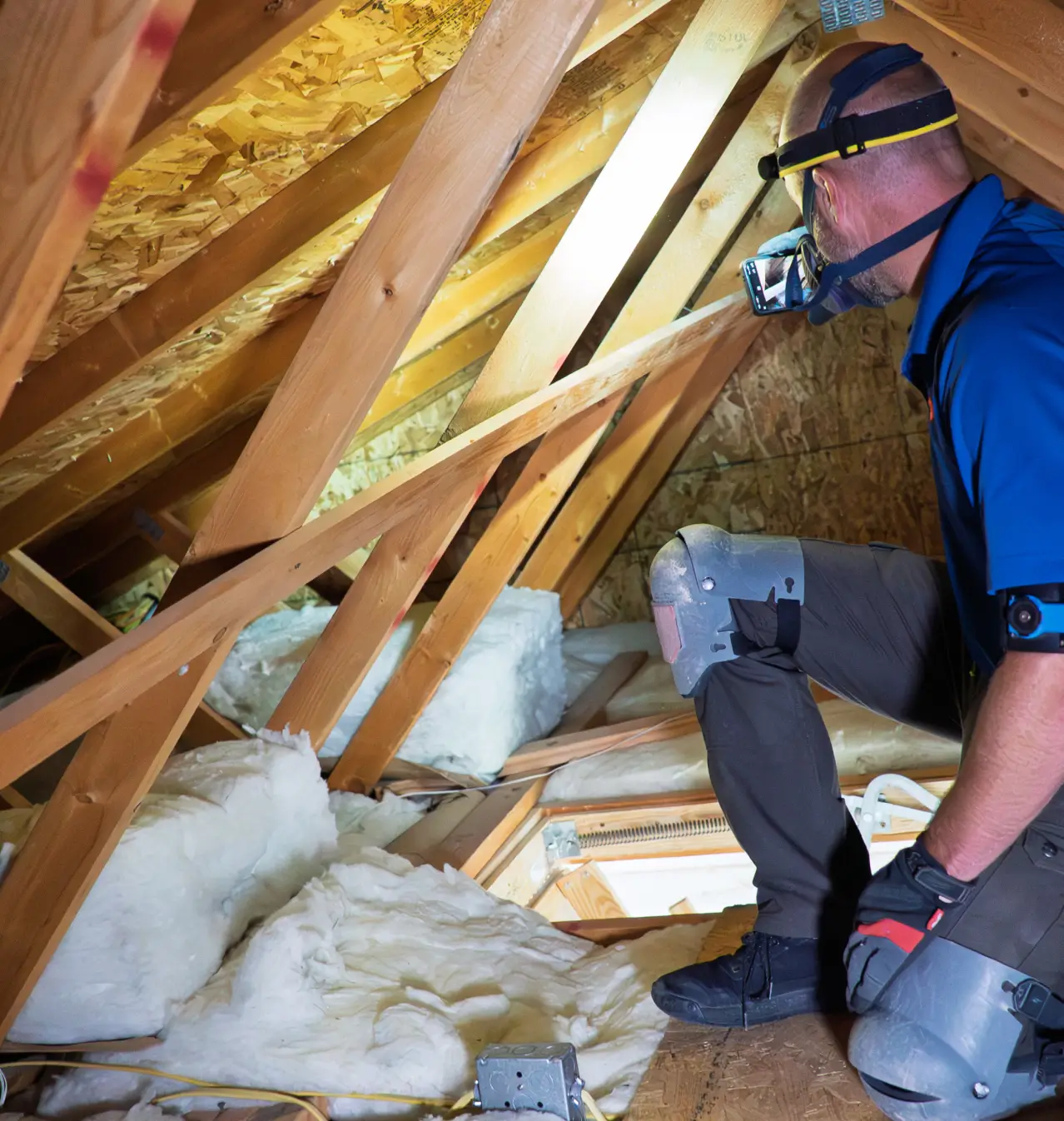
A borate barrier treatment can help protect exposed wood in areas such as attics and crawlspaces. The treatment coats accessible exposed wood and penetrates into the wood fibers. As long as the treated wood stays dry, the protection remains in place.
Borate treatment can be useful for preventive maintenance or as an alternative when fumigation tenting is not possible. It can also support a broader long-term plan for exposed wood areas.
K Termite may recommend borate treatment when:
The attic or crawlspace has accessible exposed wood
Preventive protection is a priority
Fumigation is not practical
The homeowner wants added coverage for high-risk wood areas
A long-term maintenance plan makes sense for the property
Preventive Subterranean Perimeter Treatment
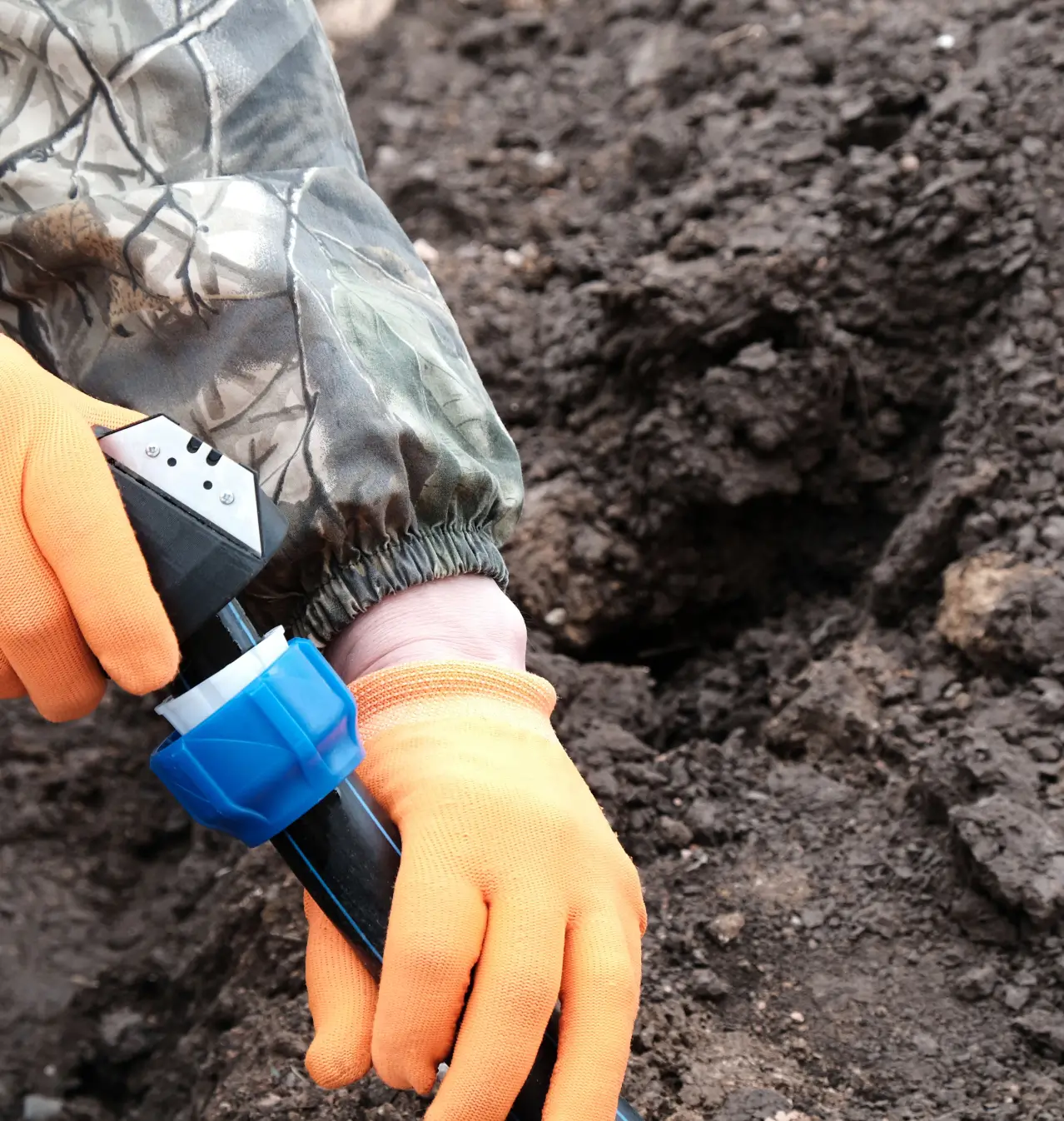
A perimeter treatment helps protect the home before subterranean termites become a problem or helps maintain protection after active activity has been treated.
This treatment creates a protective zone along the exterior perimeter and foundation. It is broader than a localized subterranean treatment because it is not limited to confirmed active entry points.
A perimeter treatment may be helpful when:
The property has conditions that make subterranean activity more likely
The homeowner wants preventive protection
There has been prior subterranean termite activity
Active entry points have already been treated
Long-term protection around the foundation is the goal
Treatment vs. Fumigation
How Do You Know Which You Need?
It depends on what your inspection reveals. Both are effective — the right choice depends on the type of termite, where the activity is, and how widespread it is.
Choose a localized treatment when

Activity is in identifiable, accessible areas
You want to avoid vacating your home
Your home is an attached unit where tenting isn’t an option
You’re dealing with subterranean termites — fumigation won’t work on them
Tenants are unable or unwilling to relocate but need service now
Choose fumigation when

Drywood termites are in multiple locations throughout the structure
Activity is inside walls, between floors, or in deep framing that can’t be accessed directly
To get a 100% elimination guarantee backed by a 4 year warranty
Before moving in, fumigation ensures a termite-free home. With minimal preparation required.
How Much Does Termite Treatment Cost in Orange County?
Termite treatment cost in Orange County depends on the home, the type of termite activity, and the treatment needed. A small drywood termite issue in one accessible area will have a different scope than activity found in several parts of the structure. Subterranean termites require a different treatment plan than drywood termites. Wood damage, repair work, painting, and warranty coverage can also affect the final estimate.
K Termite starts with a free inspection so you know what you’re dealing with before committing to work. We look at the visible evidence, identify the type of termite activity when possible, assess the affected areas, and explain the options clearly.
A useful termite estimate should answer these questions:
What type of termite activity was found?
Where was the activity found?
Is localized treatment enough?
Is fumigation the better option?
Does the home need subterranean termite treatment?
Is damaged wood part of the scope?
What warranty coverage applies?
Are there secondary options at different price points?
What Affects the Cost of Termite Treatment?
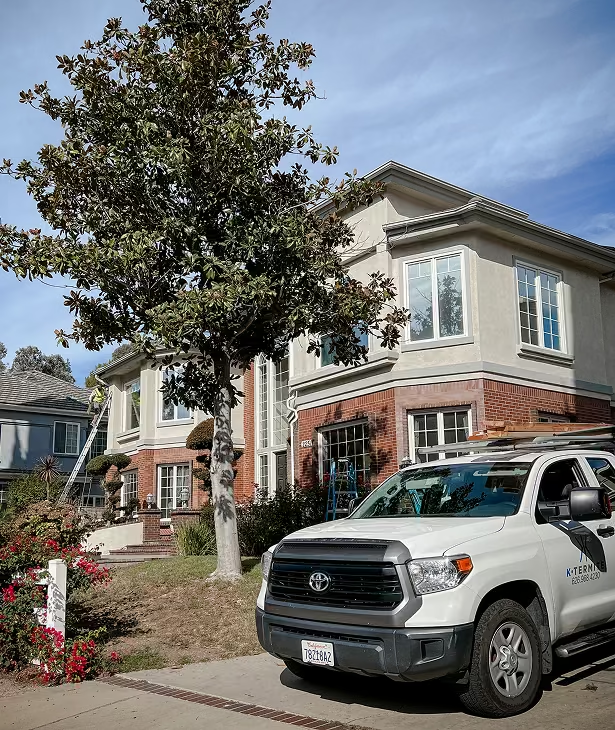
Several factors can change the cost of termite treatment in Orange County.
1
Termite type
Drywood termites and subterranean termites are treated differently.
2
Treatment method
Localized treatment, fumigation, borate treatment, and subterranean soil treatment each have a different scope.
3
Extent of activity
A small, visible area is different from termite activity found in multiple rooms, attic framing, fascia boards, or exterior wood members.
4
Access
Treatment is more direct when the affected wood can be reached.
5
Home size and layout
Larger homes, attached units, crawlspaces, attic areas, and complex rooflines can affect the inspection and treatment plan.
6
Wood damage
Fascia, eaves, trim, framing, patio covers, and other damaged wood may need repair after treatment.
7
Warranty coverage
Longer or broader coverage can affect the value of the treatment plan.
A clear inspection helps separate what is needed from what is optional.
That makes it easier to compare estimates and avoid paying for work your home does not need.
Why the Lowest Quote May Not Be the Best Value
A high quote can also be a problem if it includes services your home doesn’t need.
Why Orange County Homes Need Termite Protection
Orange County has many single-family homes with exposed wood, older trim, fascia, eaves, decks, patios, and other areas where termite activity can show up. Some termite issues are easy to spot. Others stay hidden until wood damage becomes more visible.
Homeowners often call K Termite after seeing a small pile of droppings near a window, a winged insect near a light, or wood that suddenly looks blistered, hollow, or soft. Those signs do not always tell the full story, but they are a good reason to schedule an inspection.
Common Signs of Termites in Orange County Homes
They do mean the home should be inspected so you can understand the extent of the problem.
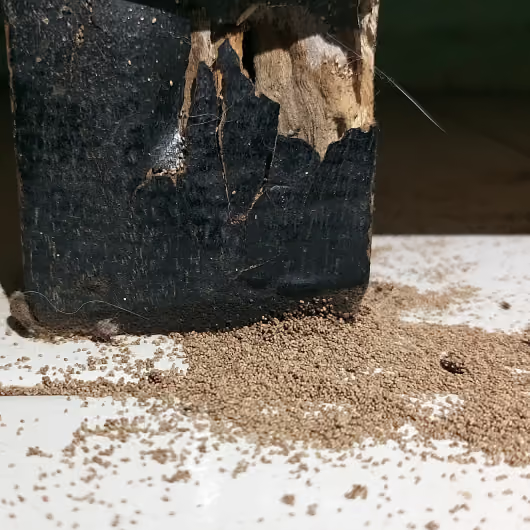
Small piles of termite droppings
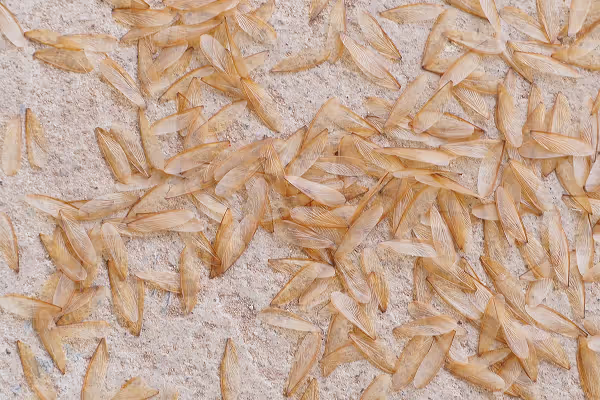
Discarded wings near windows, doors, or lights
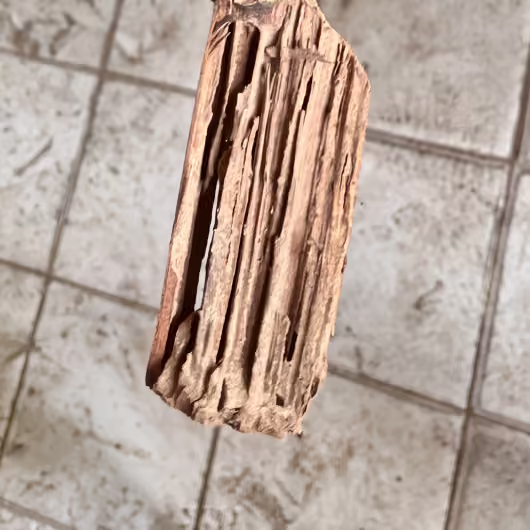
Hollow-sounding or damaged wood
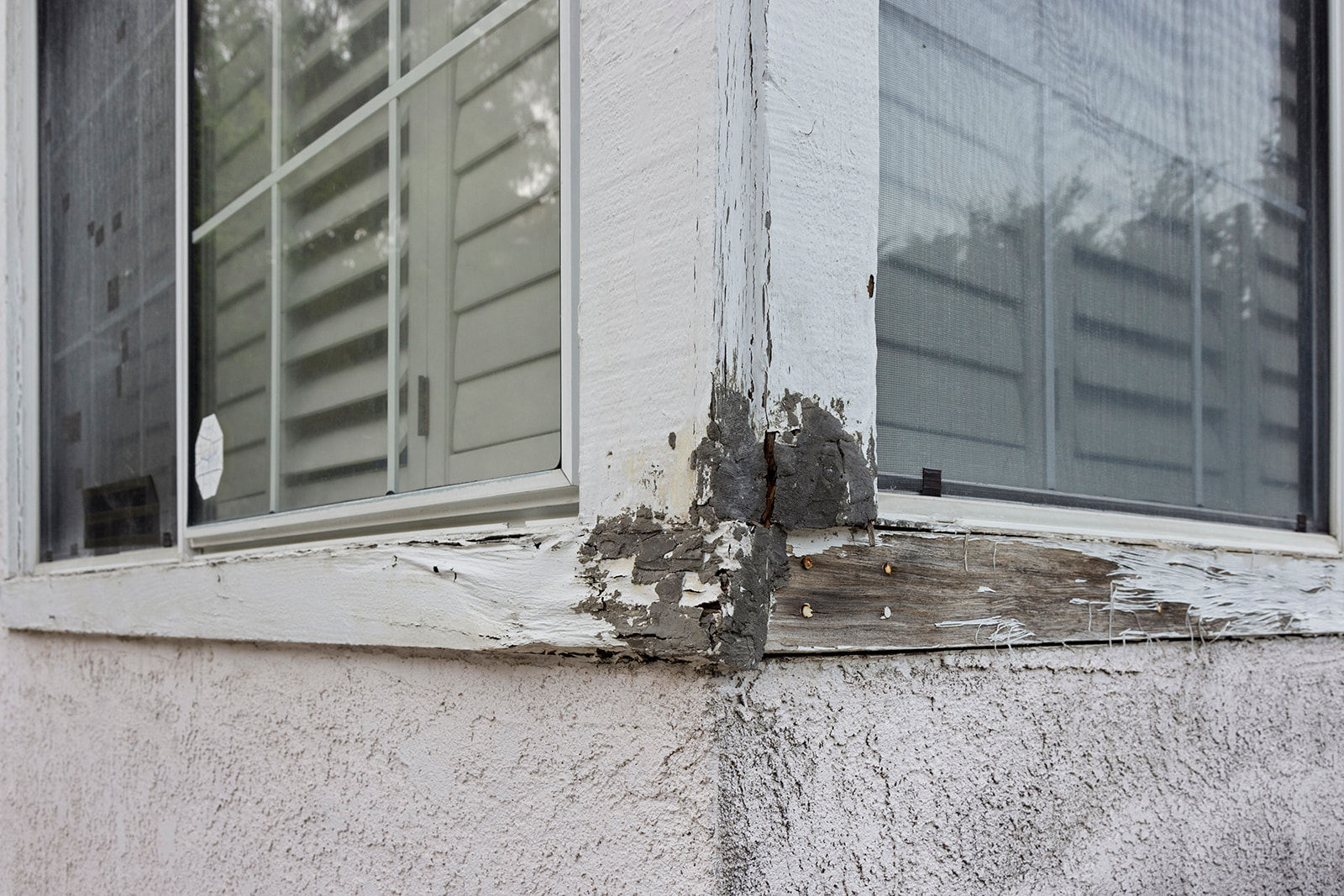
Bubbling, uneven, or blistered paint
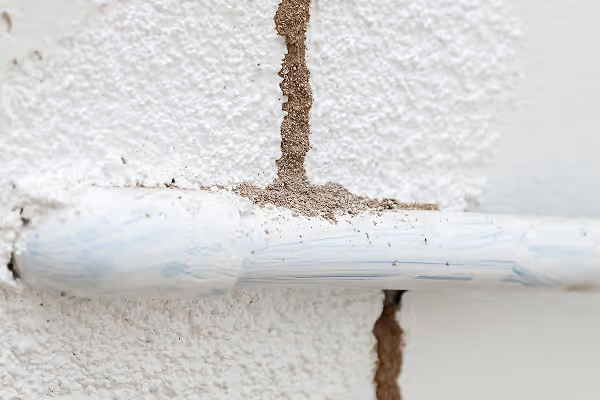
Mud tubes near the foundation
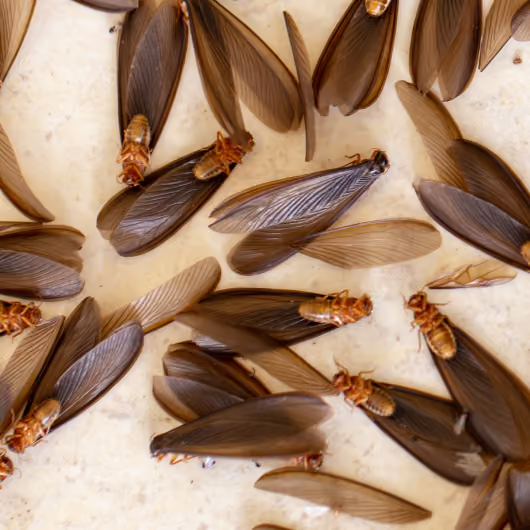
Swarming termites
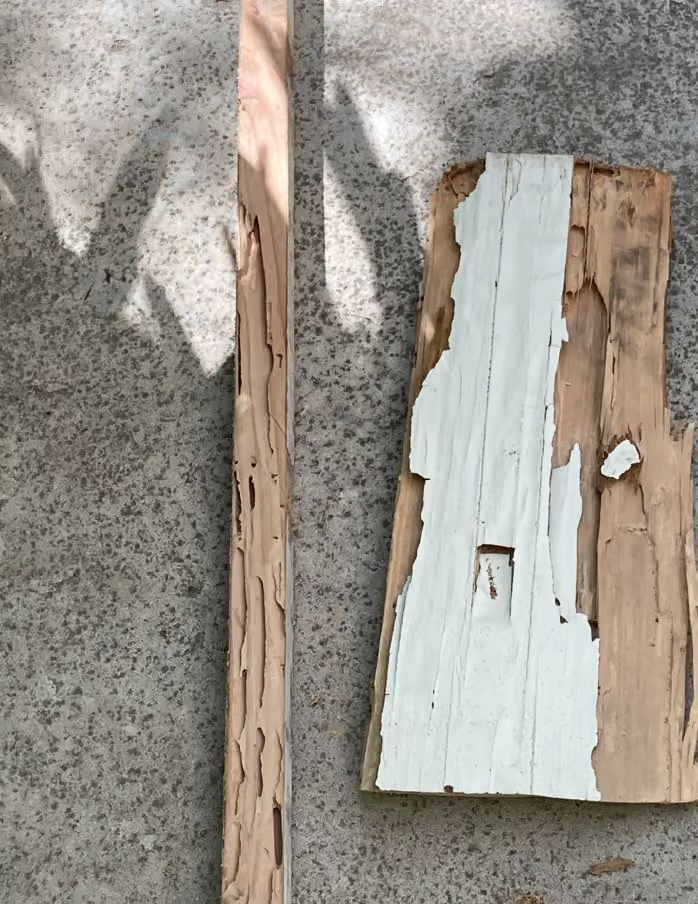
Wood that breaks, flakes, or feels soft
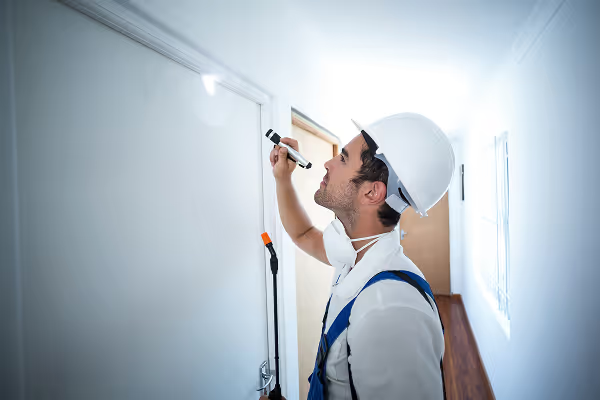
Why Early Inspection Matters
K Termite keeps the conversation practical. We explain what we see, what it means, and what your options are. No scare tactics. No unnecessary upsells. Just straightforward termite guidance from a local team
Frequently Asked Questions About Termite Treatment in Orange County
How much does termite treatment cost?
The cost depends on the type of termites, the size of the home, how widespread the activity is, the treatment method, and how accessible the affected wood is. Localized, subterranean, borate, and fumigation treatments are each priced differently. After a free inspection, your report breaks out the recommended work and pricing, so you can compare your options before you decide.
Can I avoid tenting my house?
Localized treatment is the main alternative to tenting, and it may be enough when drywood termite activity is limited and accessible. Subterranean termites are treated in the soil around the home, and borate or preventive perimeter treatments can also be part of a plan. If the activity is widespread or hidden in several areas, we may recommend fumigation and will explain why before you decide.
How long does termite treatment take?
Most localized treatments are completed in a single visit, often within a day, and larger perimeter soil or whole-area borate treatments can take a full day. We’ll give you a time estimate before work begins. Fumigation follows its own three-day schedule.
Do I need to leave my home during termite treatment?
For many localized, subterranean, and borate treatments, homeowners do not need to leave the home. Fumigation requires occupants, pets, and plants to be out of the structure during service and until the home is cleared for reentry. K Termite will walk you through the preparation steps if fumigation is recommended.
Can termites come back after treatment?
Yes. Termite treatment addresses current activity, but no home is permanently immune to termites. That is why inspection, warranty coverage, and ongoing maintenance matter. K Termite offers warranty-backed treatment options and a Termite Protection Policy for homeowners who want continued coverage.
Is termite treatment covered by a warranty?
Termite treatment is covered by a warranty, and the coverage depends on the treatment. Fumigation comes with a 4-year warranty, and localized treatments include coverage for the treated areas. Coverage for other treatments depends on the treatment plan, and we’ll explain what’s covered and for how long before work begins. For a yearly inspection after treatment, ask about adding our Termite Protection Policy when you book.
Will termite treatment include wood repair?
Termite treatment and wood repair are separate parts of the job, but K Termite can handle both when repair is needed. Our in-house carpenters repair termite-damaged wood, and painting may be included as part of many repair projects where applicable. This helps homeowners avoid hiring a separate contractor for the damaged areas.
Does orange oil work on termites?
Orange oil can work on a small, accessible area of drywood termite activity, because it affects the termites it reaches directly. It may not reach activity hidden deeper in the wood, and it isn’t used for subterranean termites, which live in the soil. Your inspector will explain whether a localized treatment, fumigation, or another option fits what we find.
Does the termite type matter?
The type of termite decides the treatment. Drywood termites live inside the wood and are treated with localized treatment or fumigation, while subterranean termites live in the soil and are treated in the ground around the home. You don’t need to identify them yourself, since your inspector will confirm the type and explain your options.
Areas We Serve
Proudly serving homeowners across Southern California with free inspections, expert treatments, and guaranteed results.
More Termite Services

Termite Fumigation
Southern California’s choice for effective, full-structure termite elimination backed by a 4-year warranty.
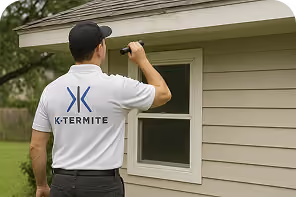
Termite Inspections
Our licensed technicians identify hidden infestations and provide a detailed report with treatment recommendations.
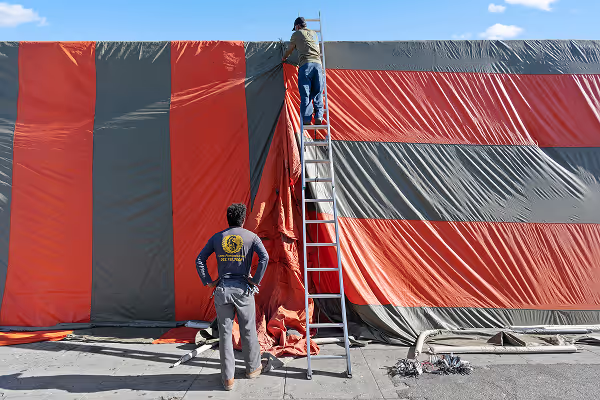
Protection Policy
Annual maintenance is critical to protect your home against termites.
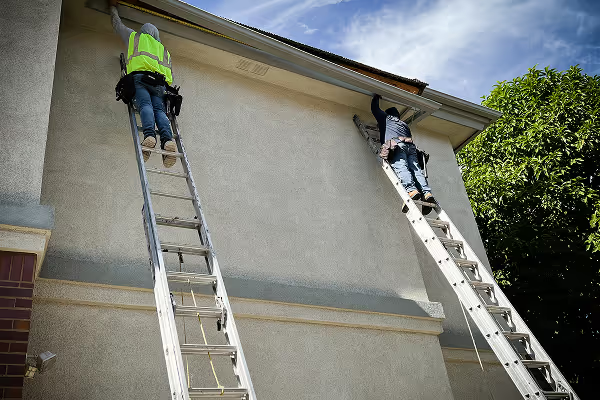
Damage Repairs
Professional, in-house carpenters to restore your home to its original state.


