
Termite Damage Repair in Orange County
Termite treatment addresses the infestation. Wood repair addresses the damage left behind. K Termite can inspect the problem, recommend the appropriate treatment, and repair or replace damaged wood with its in-house carpentry team.

Experience
Inspections
Customers

PR-5407
Trusted Termite Damage Repair Backed by Happy Homeowners
.svg)


When Termite Damage Needs Wood Repair
Termite treatment and wood repair solve different problems. Treatment addresses termite activity, while repair restores or replaces damaged wood.
The repair scope depends on where the damage is, how extensive it is, and whether the affected wood is structural or cosmetic. K Termite’s in-house carpenters handle the repair work, keeping treatment and carpentry under one coordinated team.
If the inspection finds damaged or deteriorated wood, K Termite will explain what can be repaired, what should be replaced, and what falls within the scope of work.
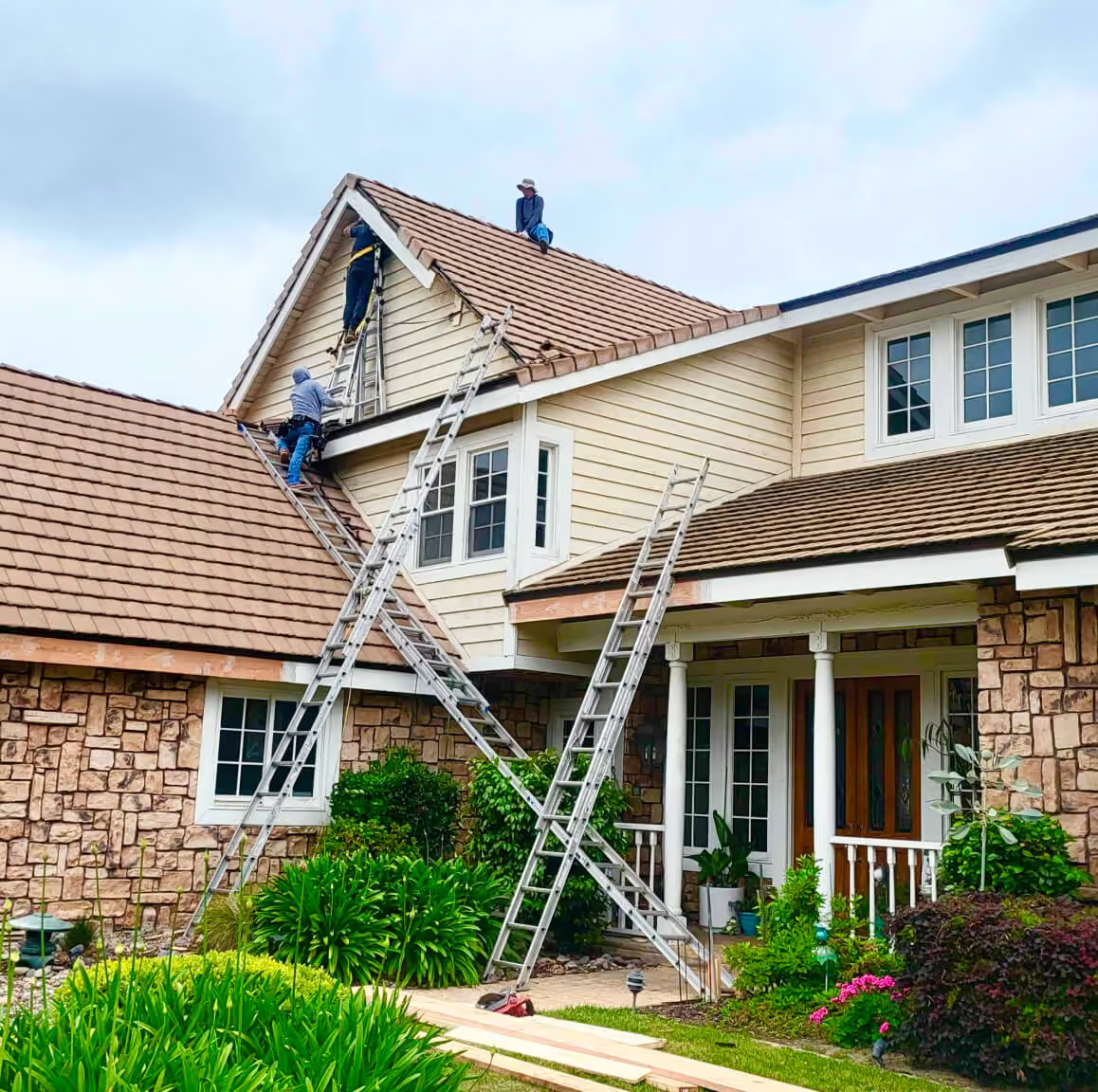
Our Process
Once the inspection identifies the termite activity and damaged wood, K Termite builds the treatment and repair scope around what the home actually needs.

Inspect and Scope the Damage
An inspector documents the affected areas and explains what needs treatment, repair, or replacement.

Address the Termite Activity
If treatment is needed, K Termite recommends an option based on the type and extent of the termite problem and explains how it fits into the repair plan.
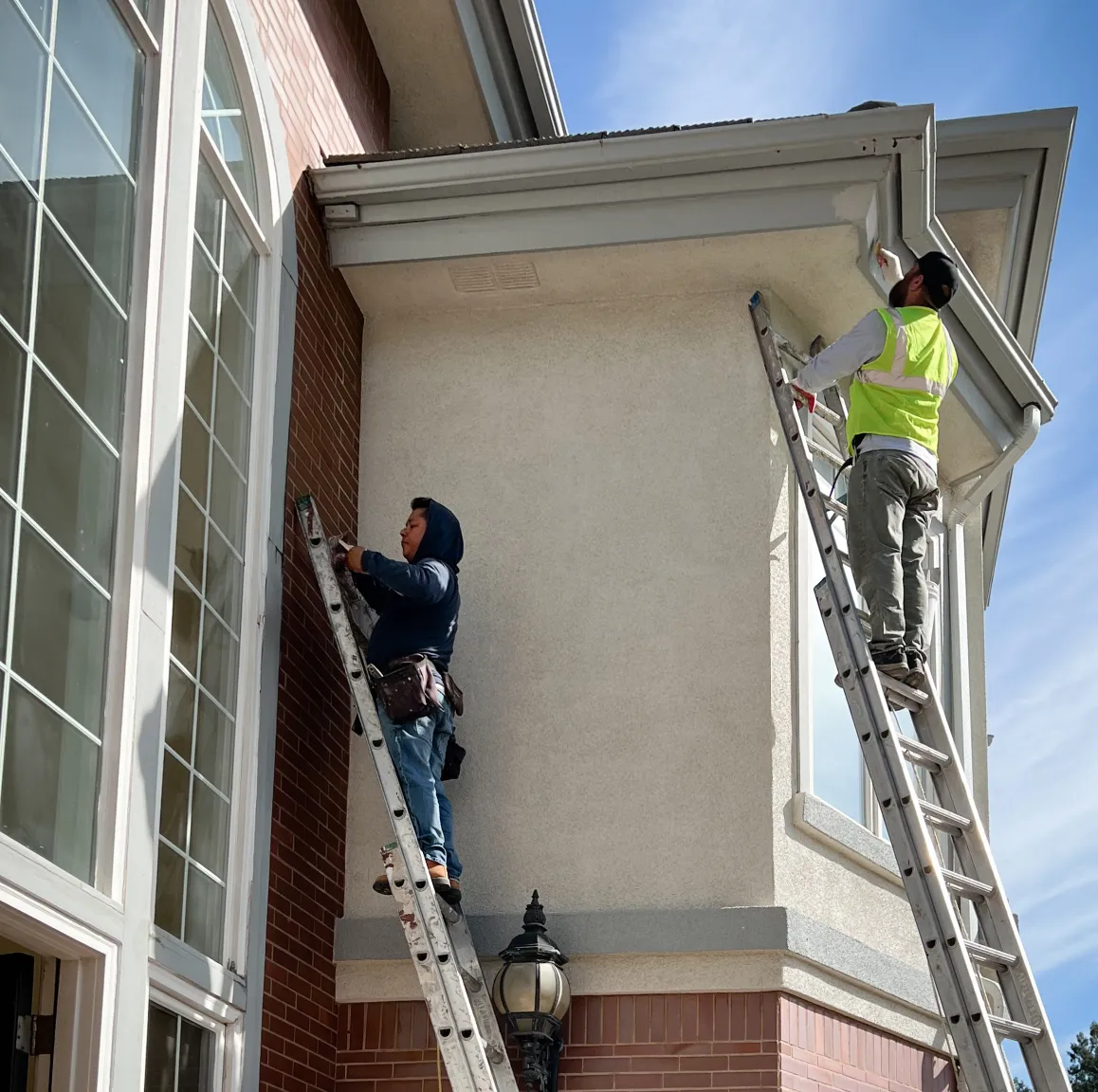
Repair or Replace Damaged Wood
K Termite’s in-house carpenters repair or replace damaged wood based on the approved scope of work.

Finish and Review
Painting is included on many repair projects, with color matching where applicable. The team reviews the completed work before closing out the job.
Request a Free Inspection

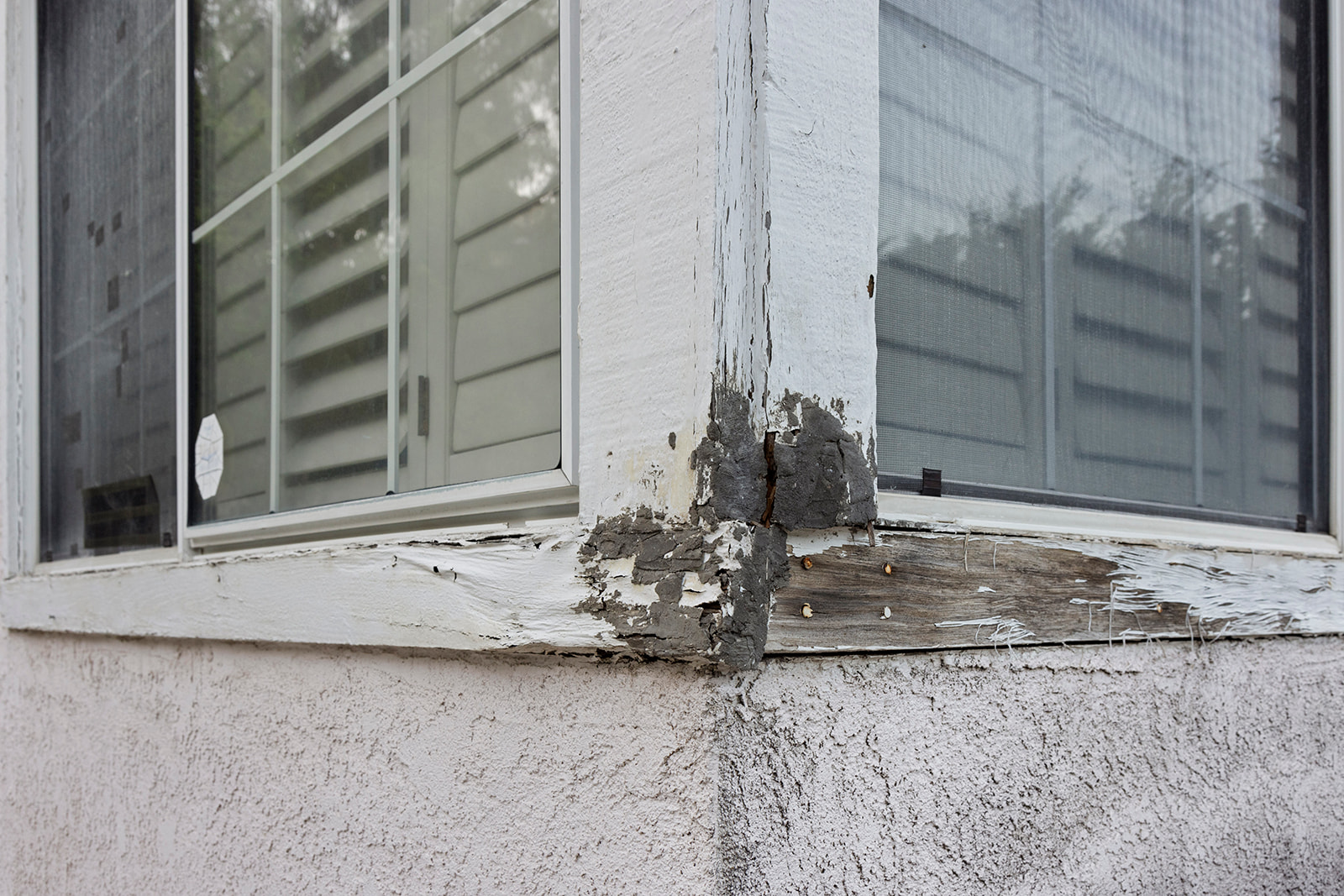
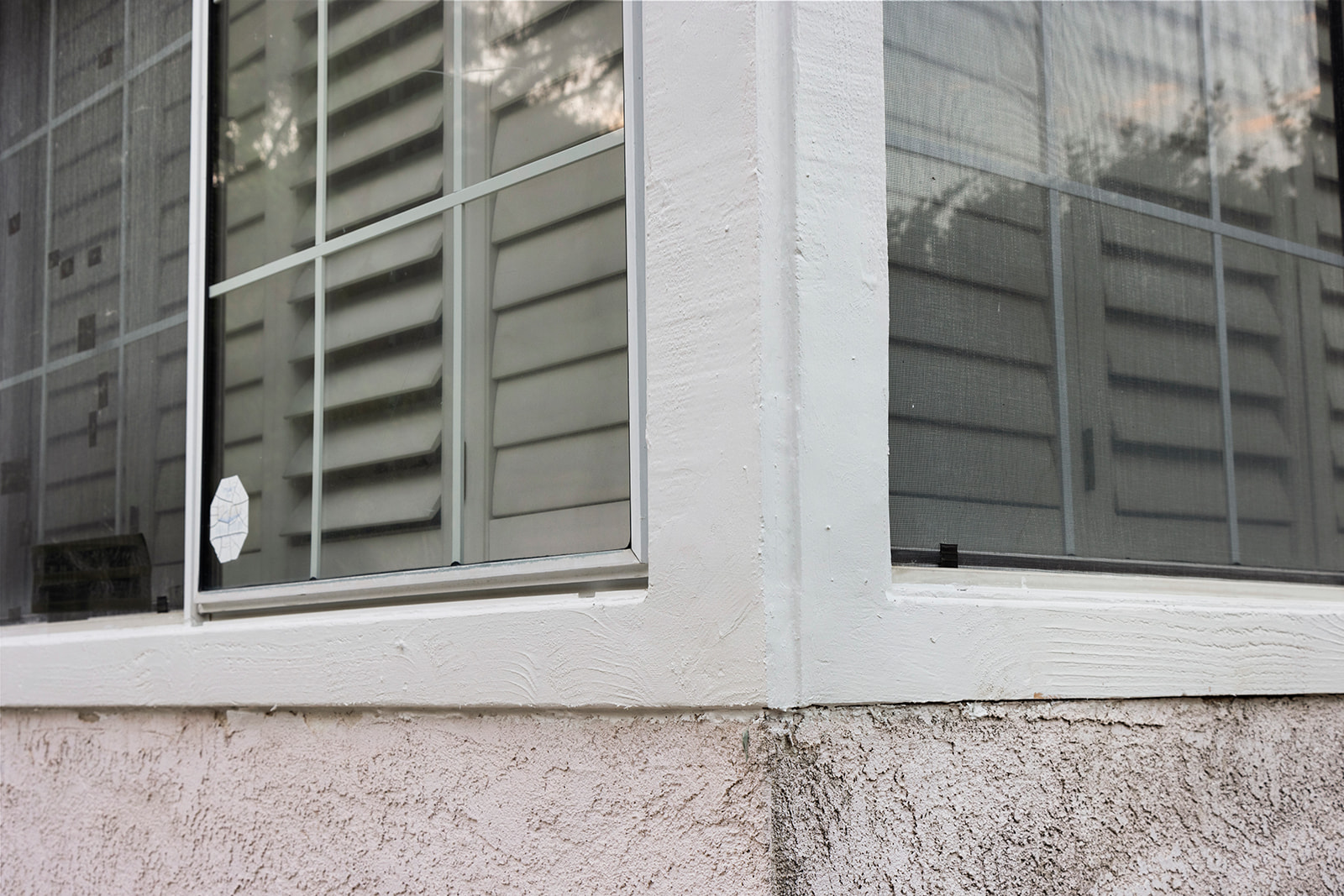
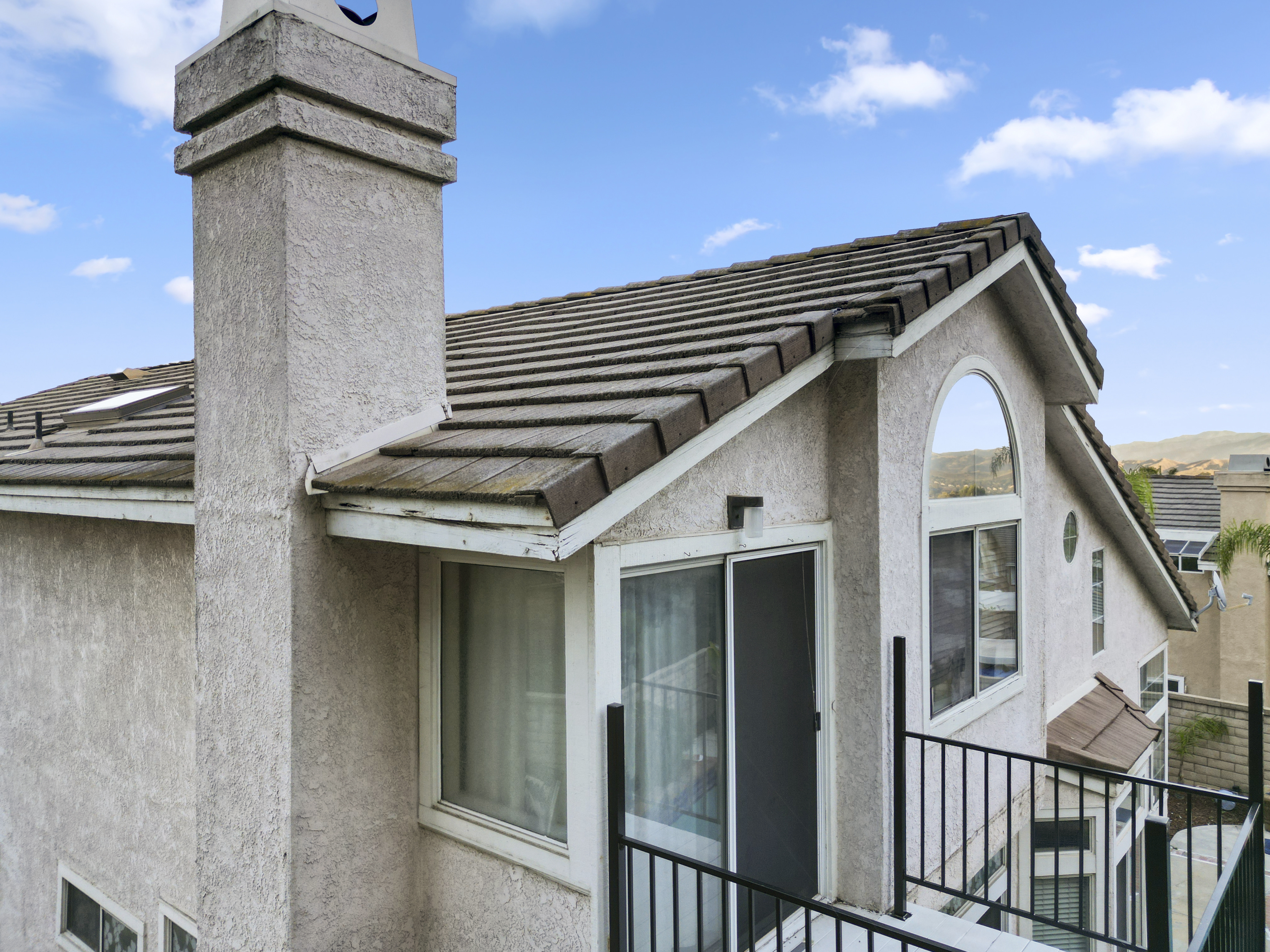
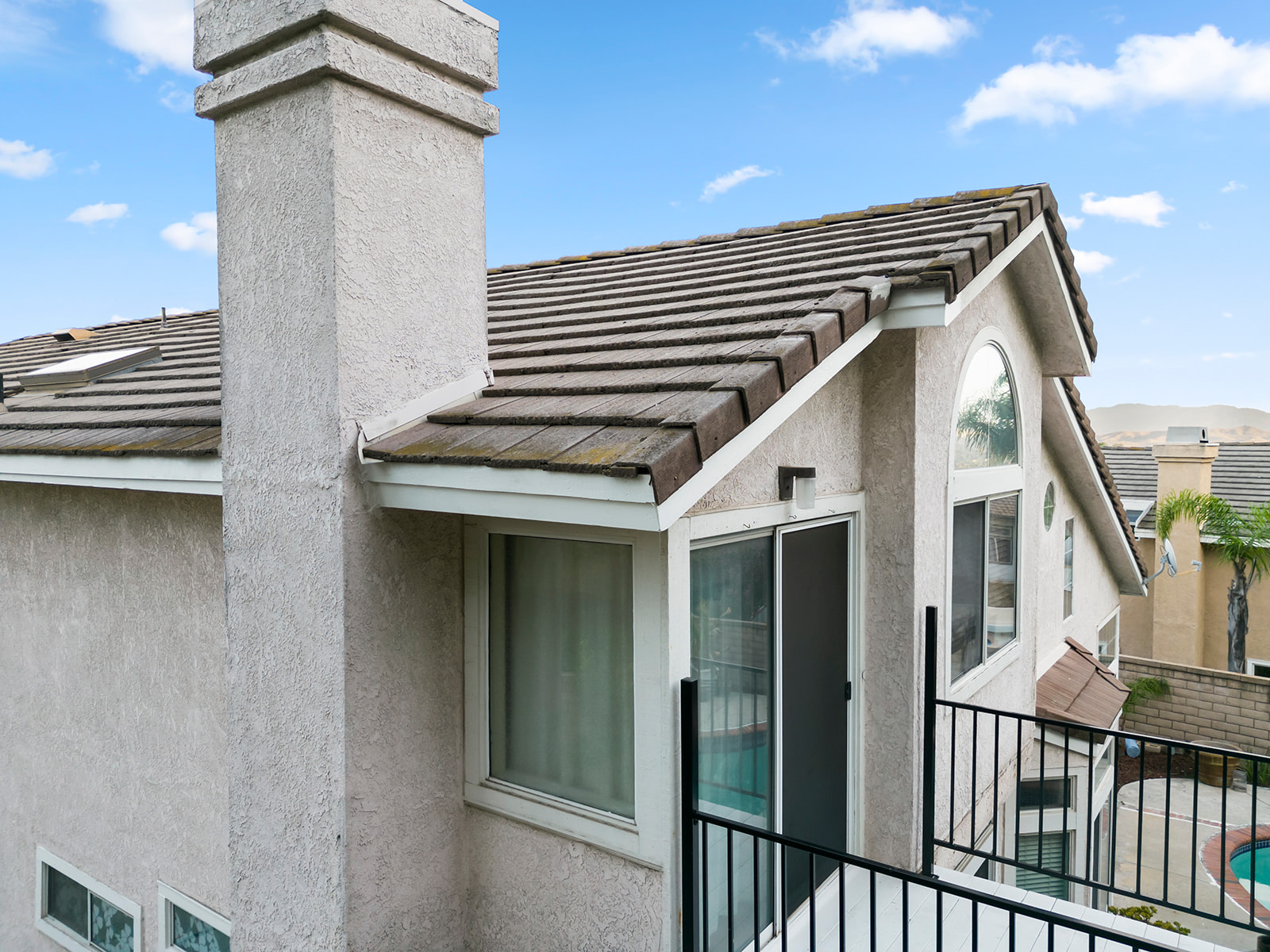
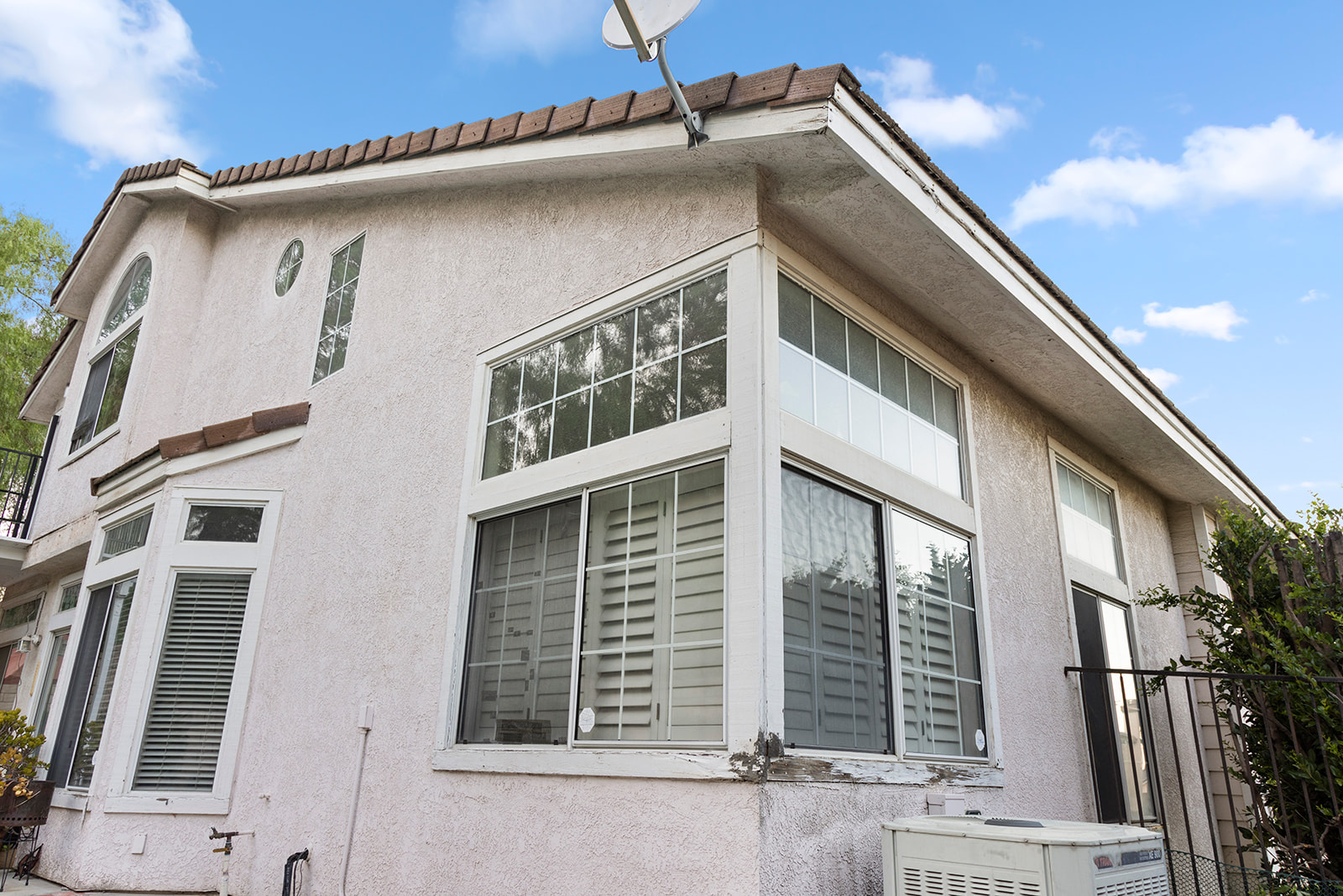
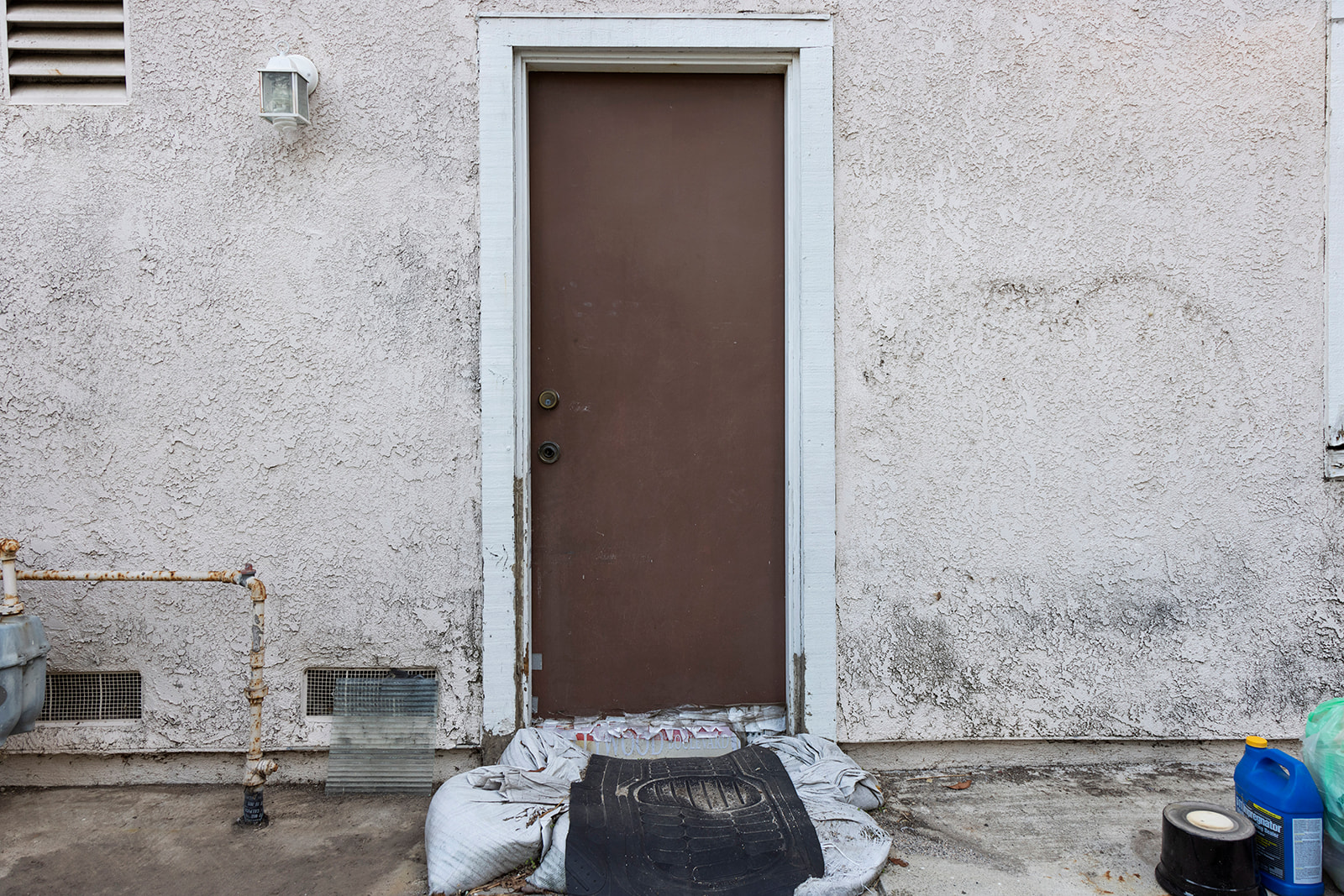
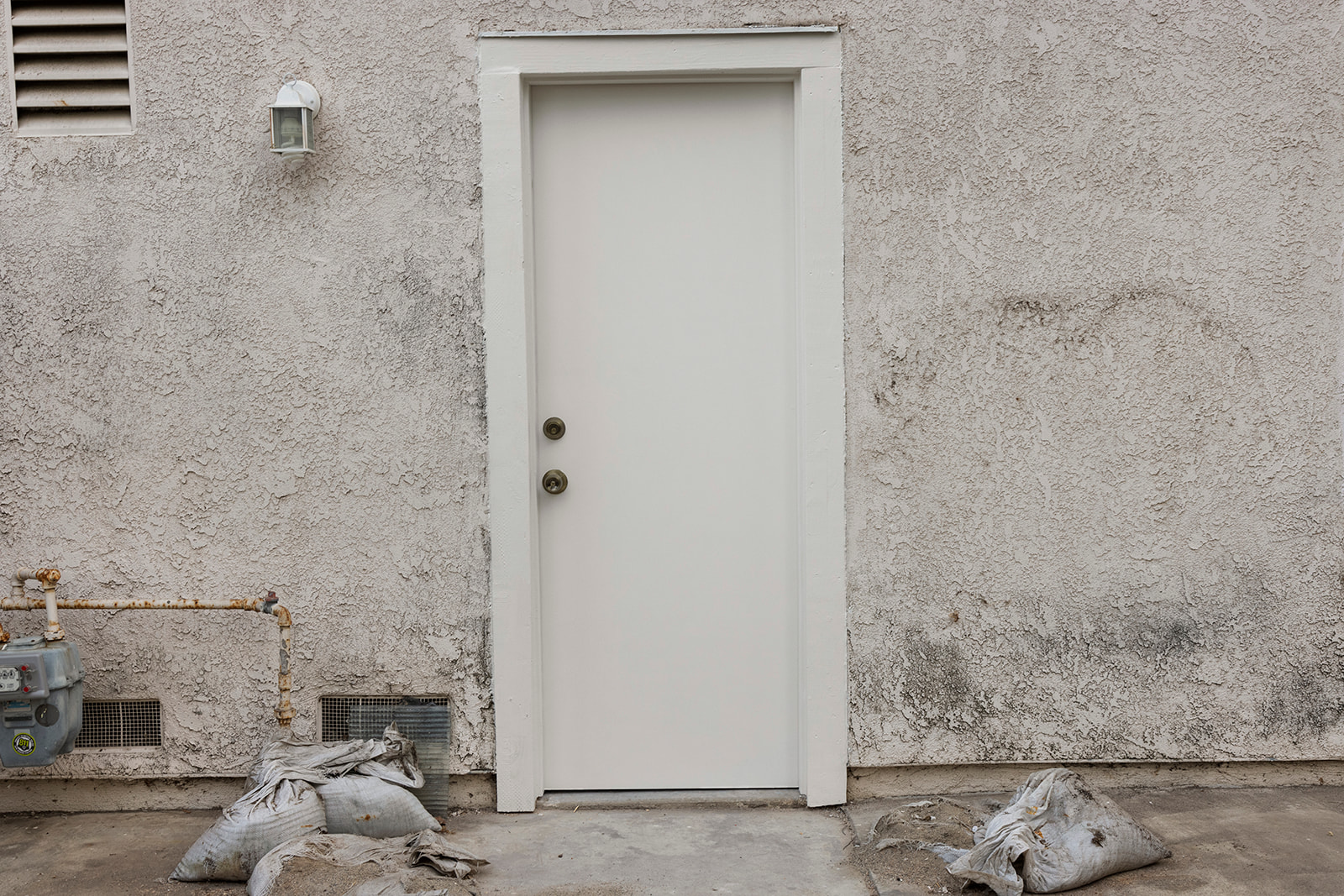
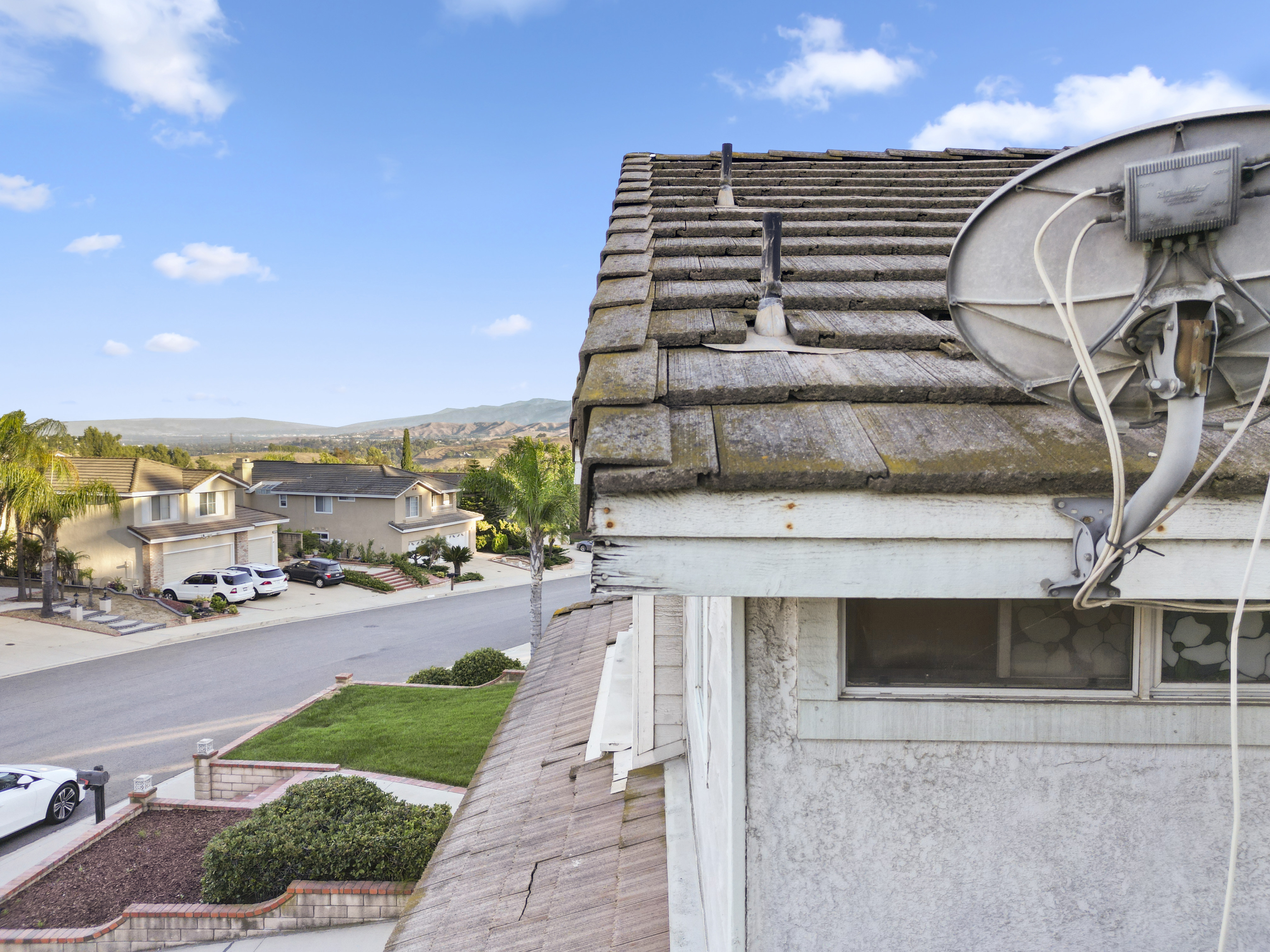
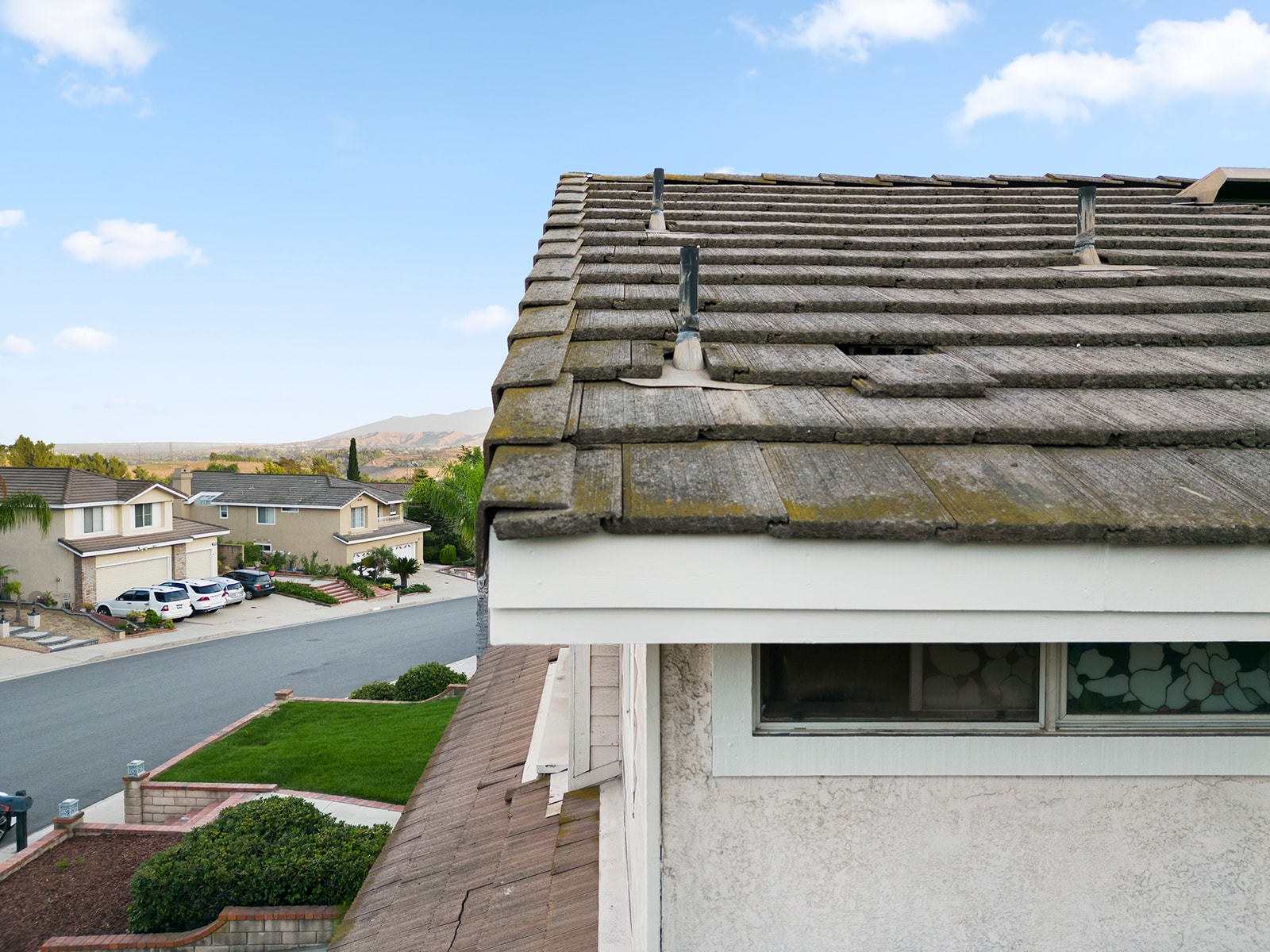
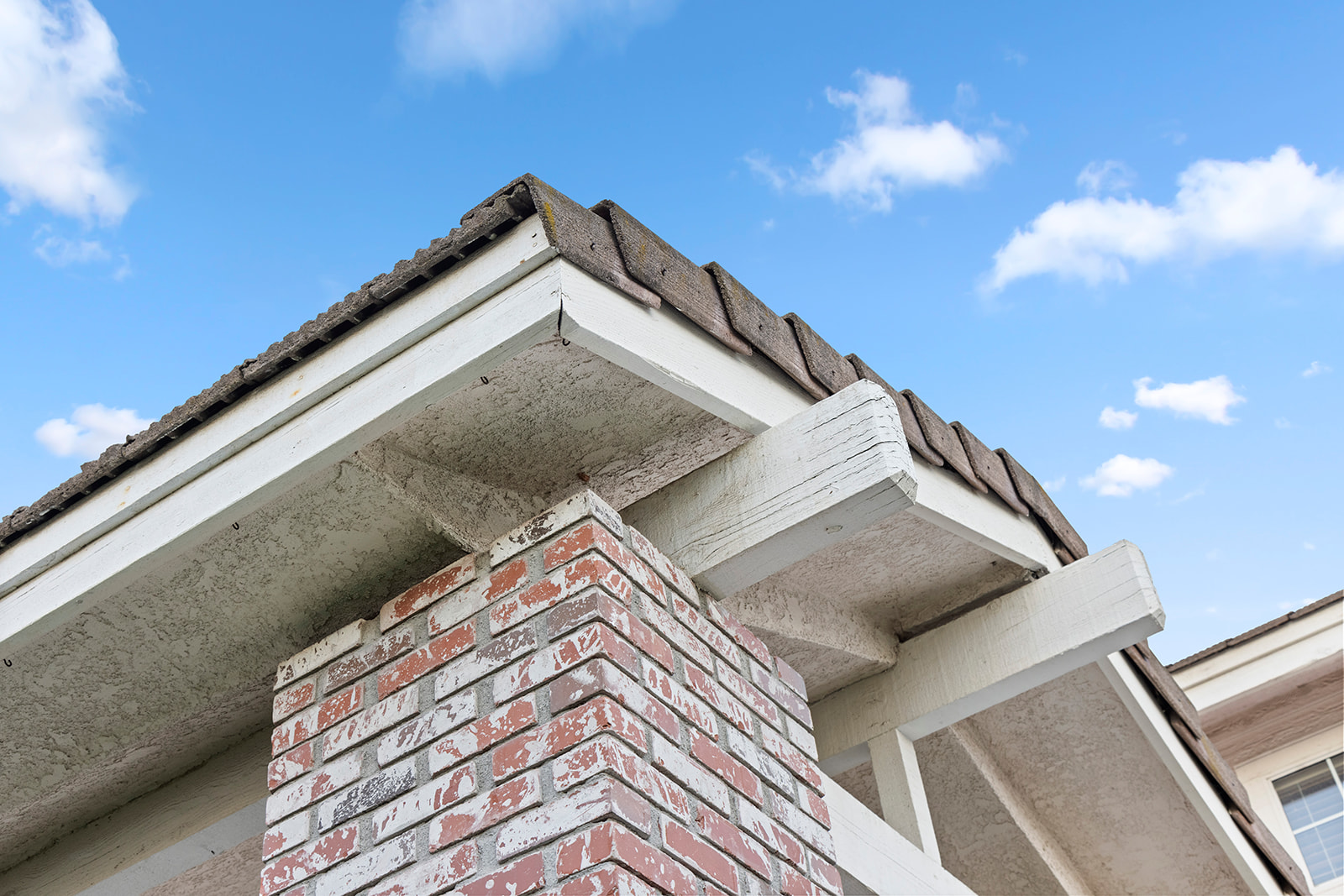
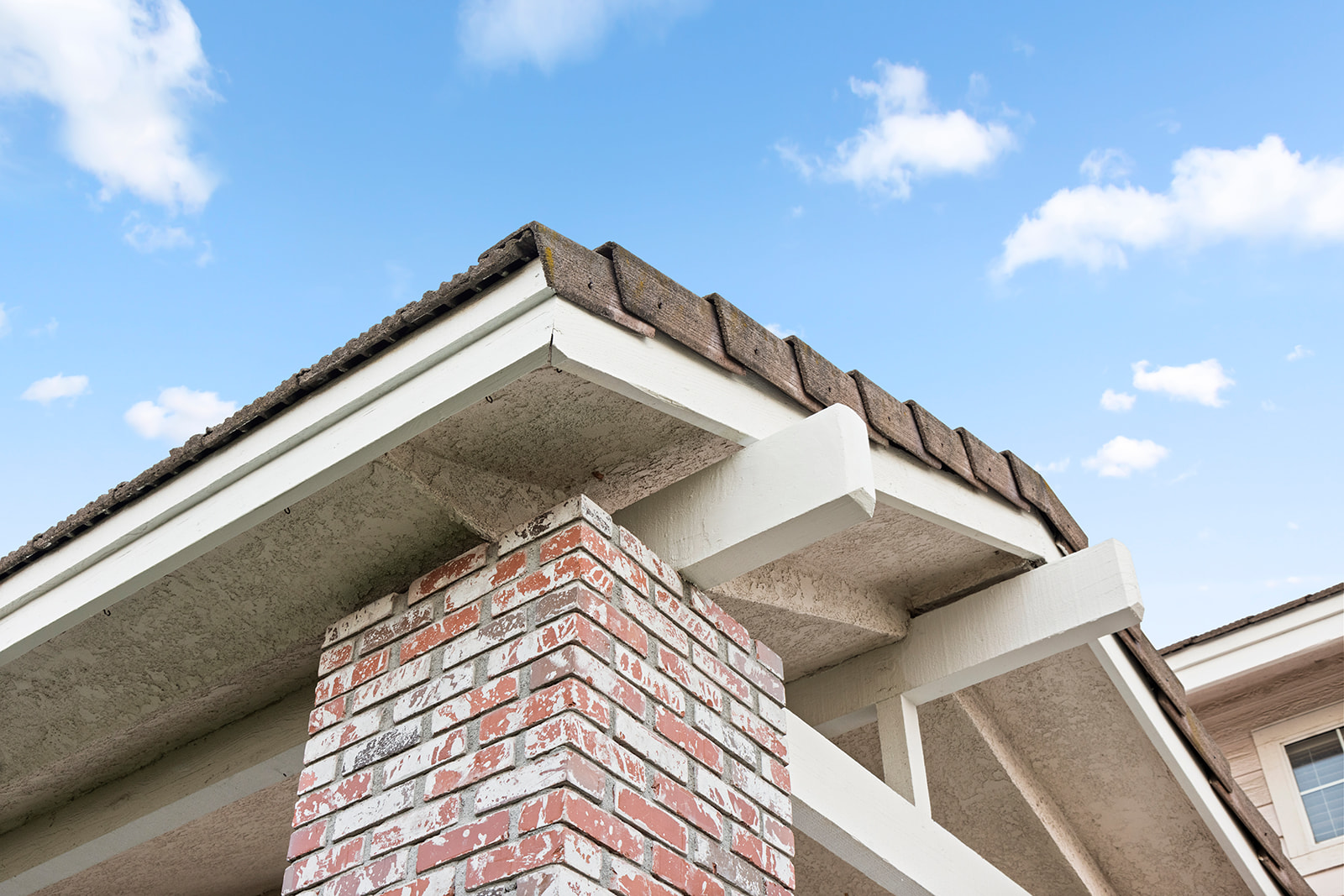
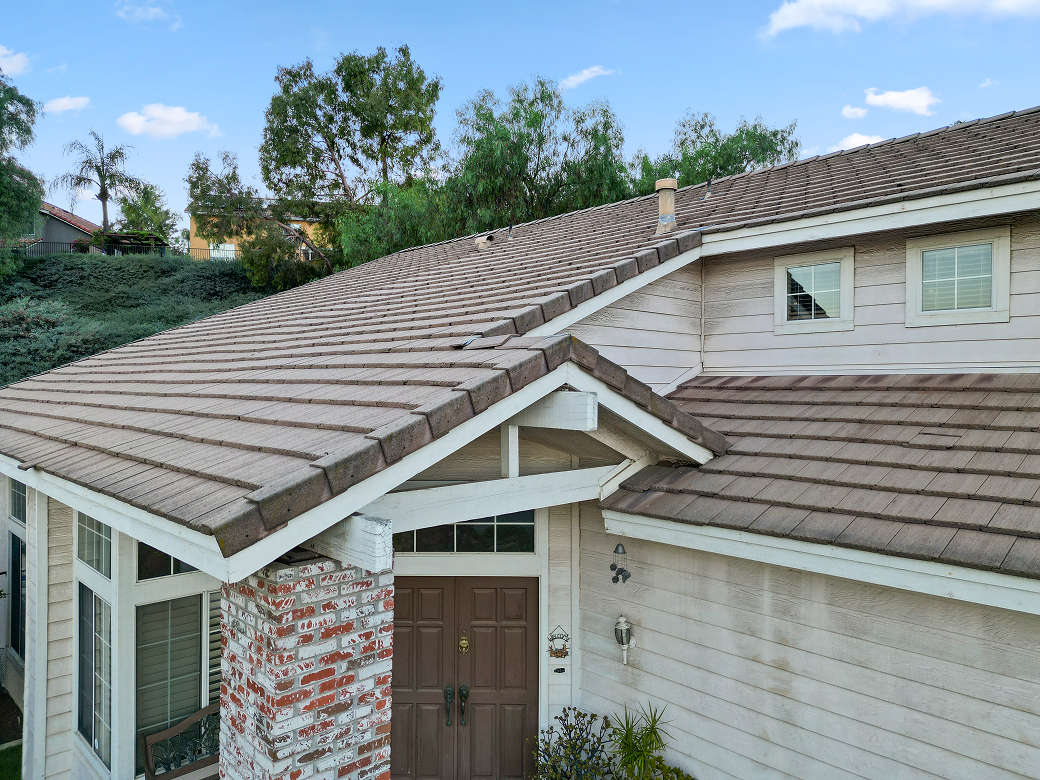
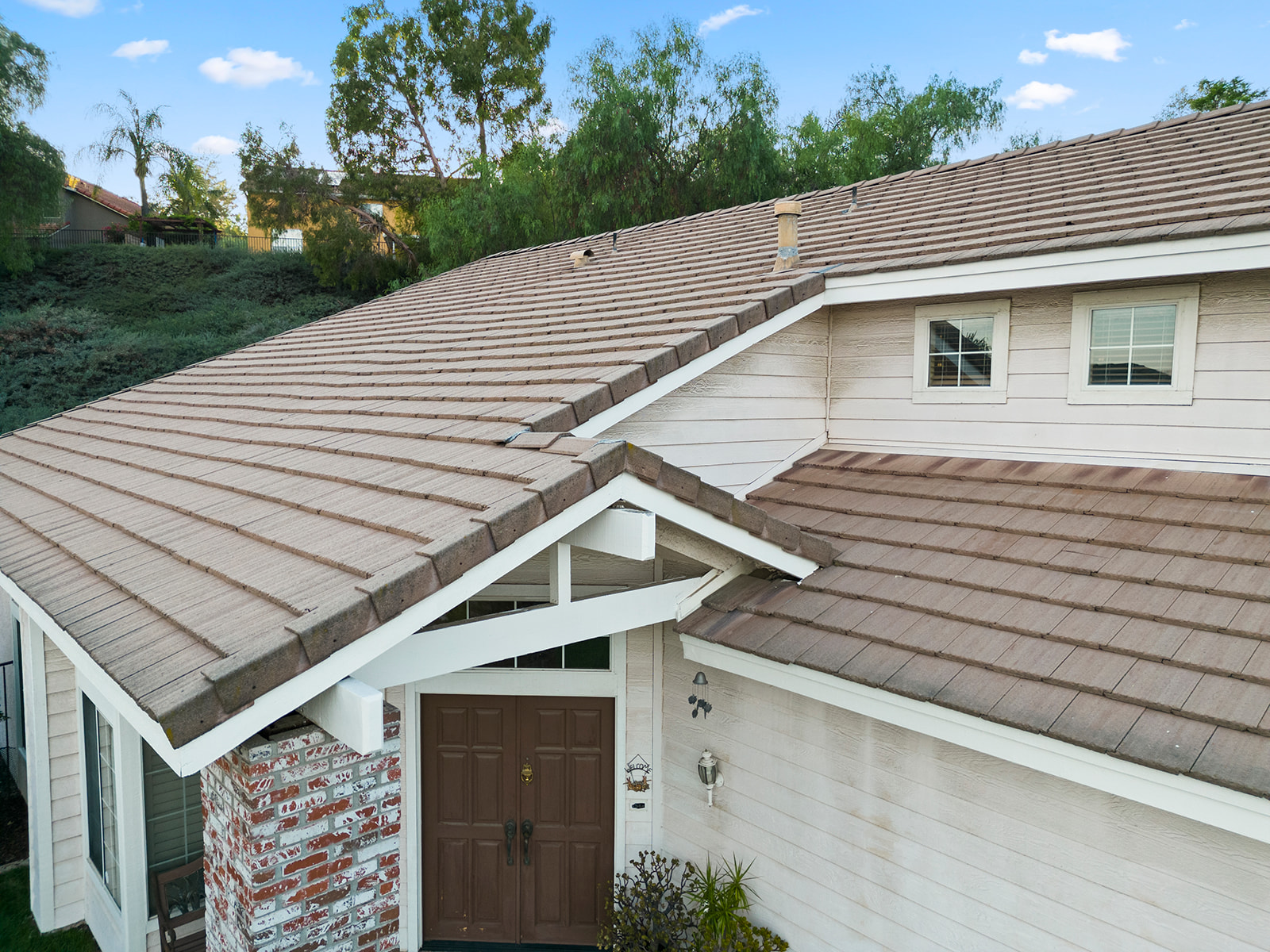
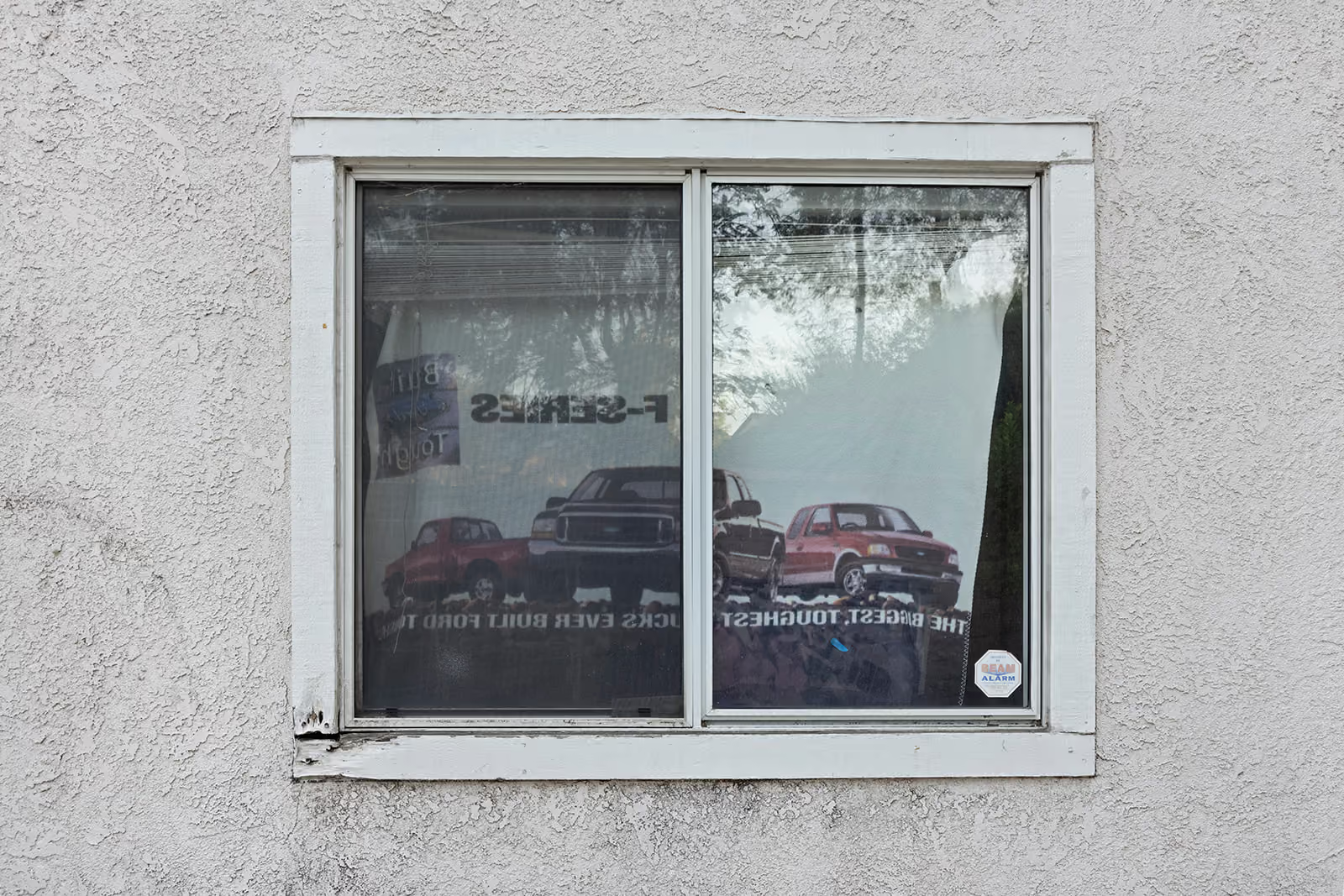
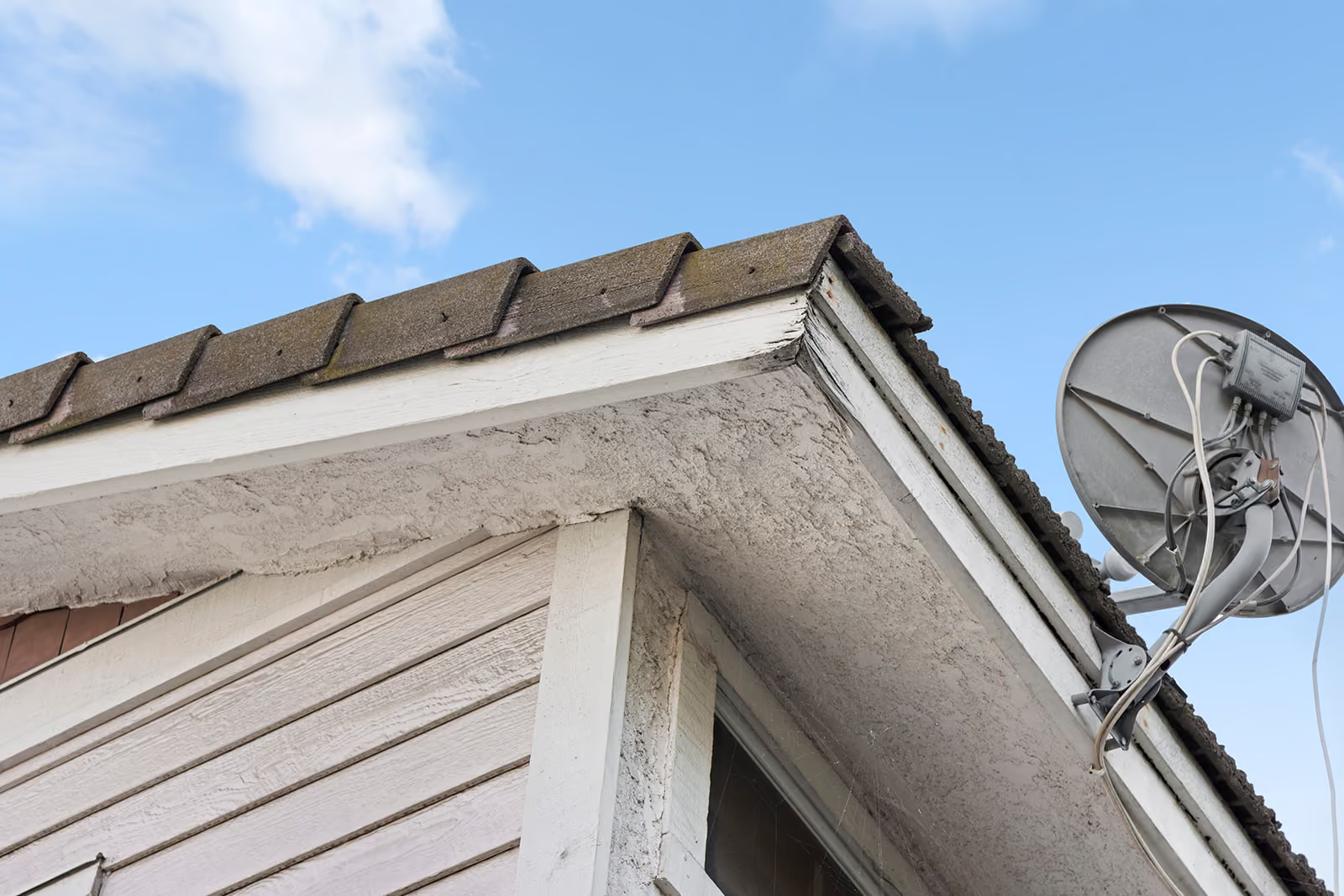
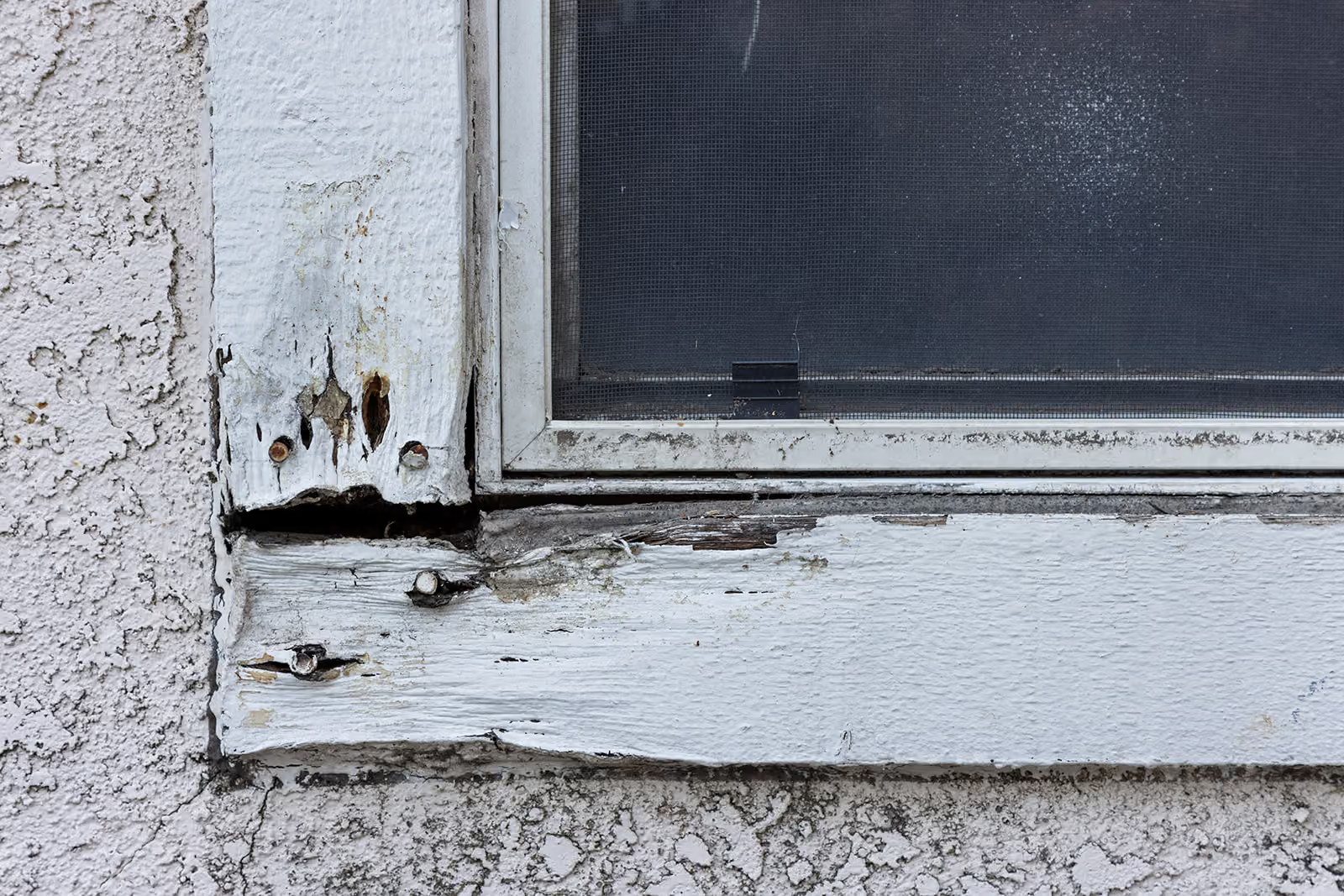
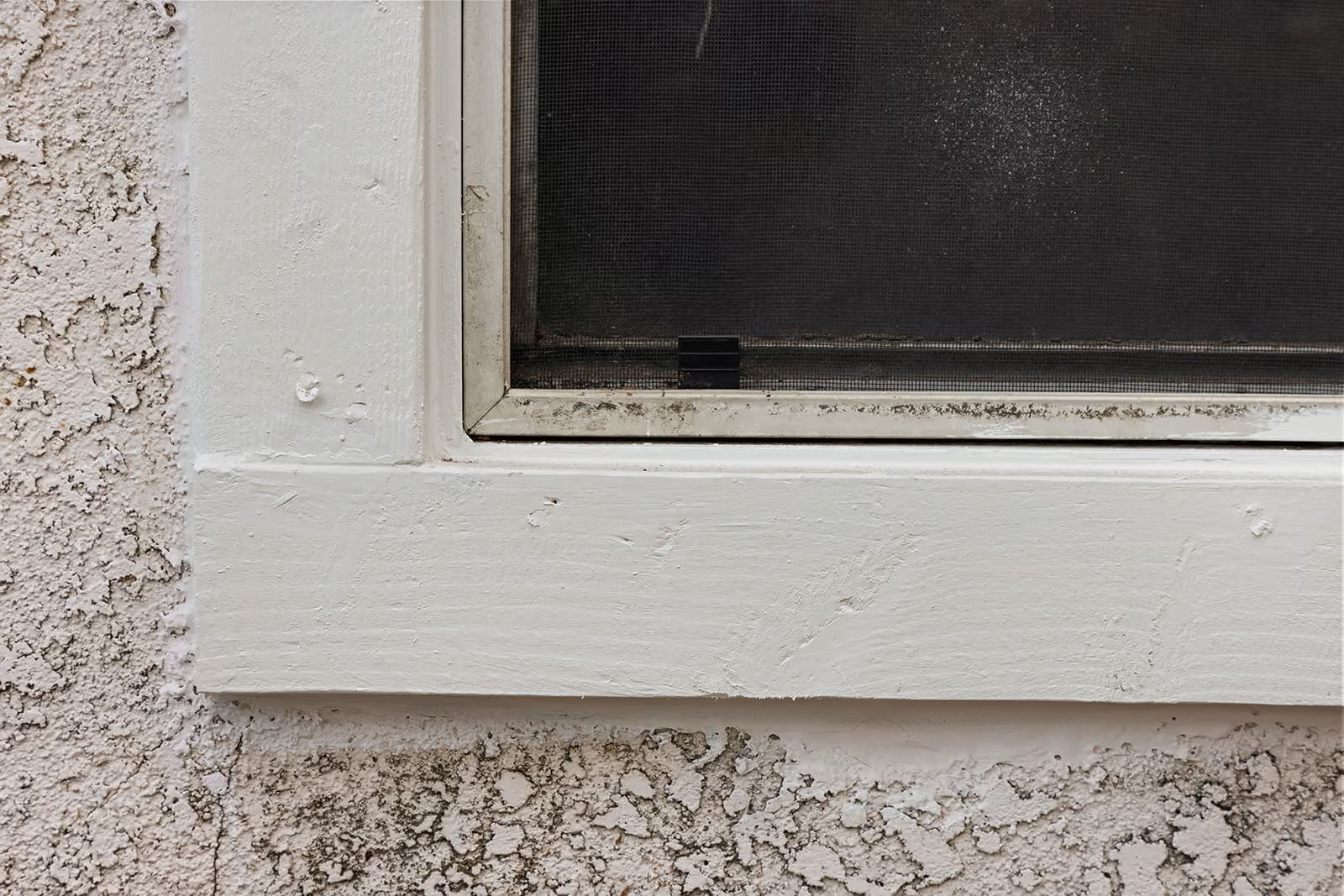
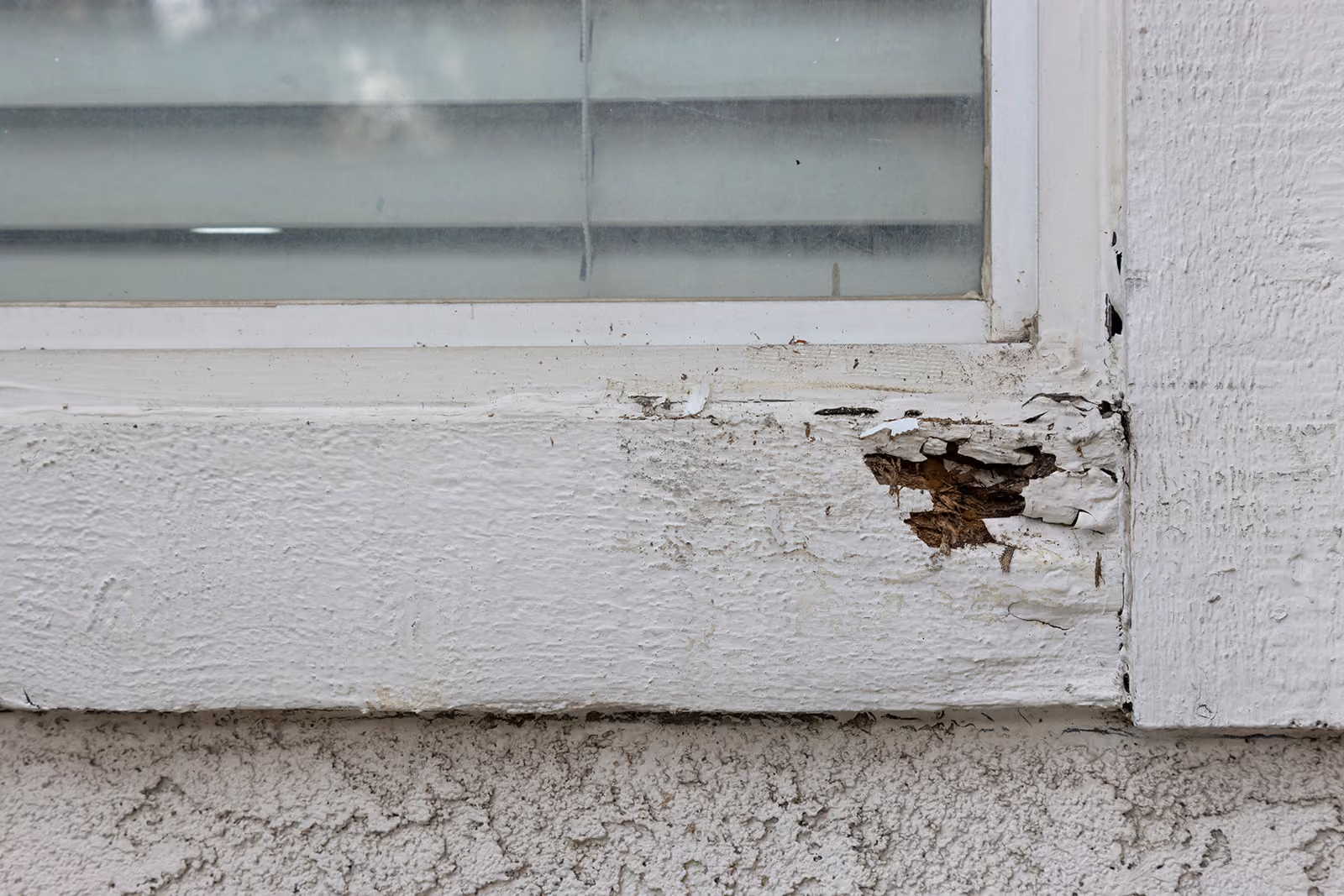
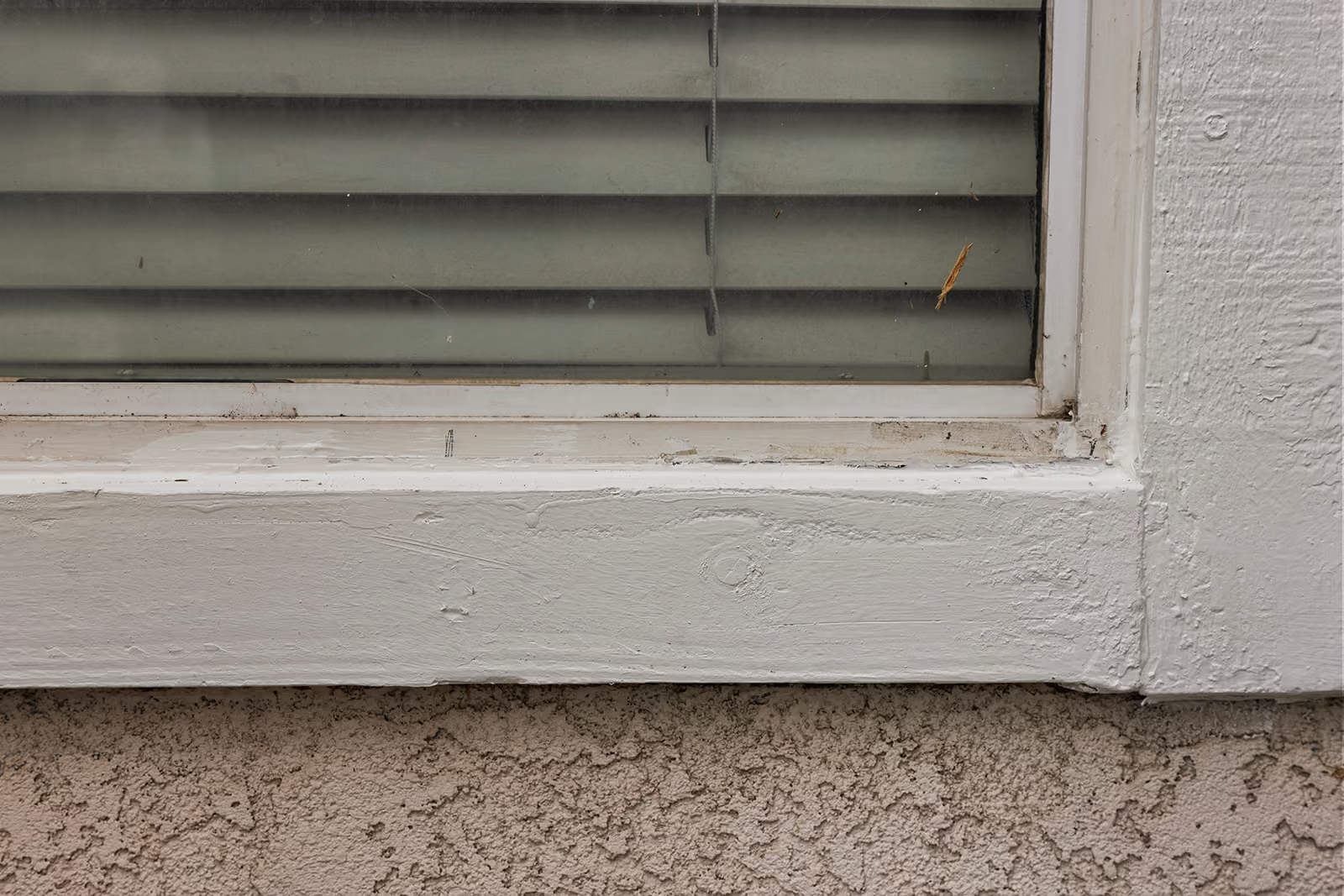
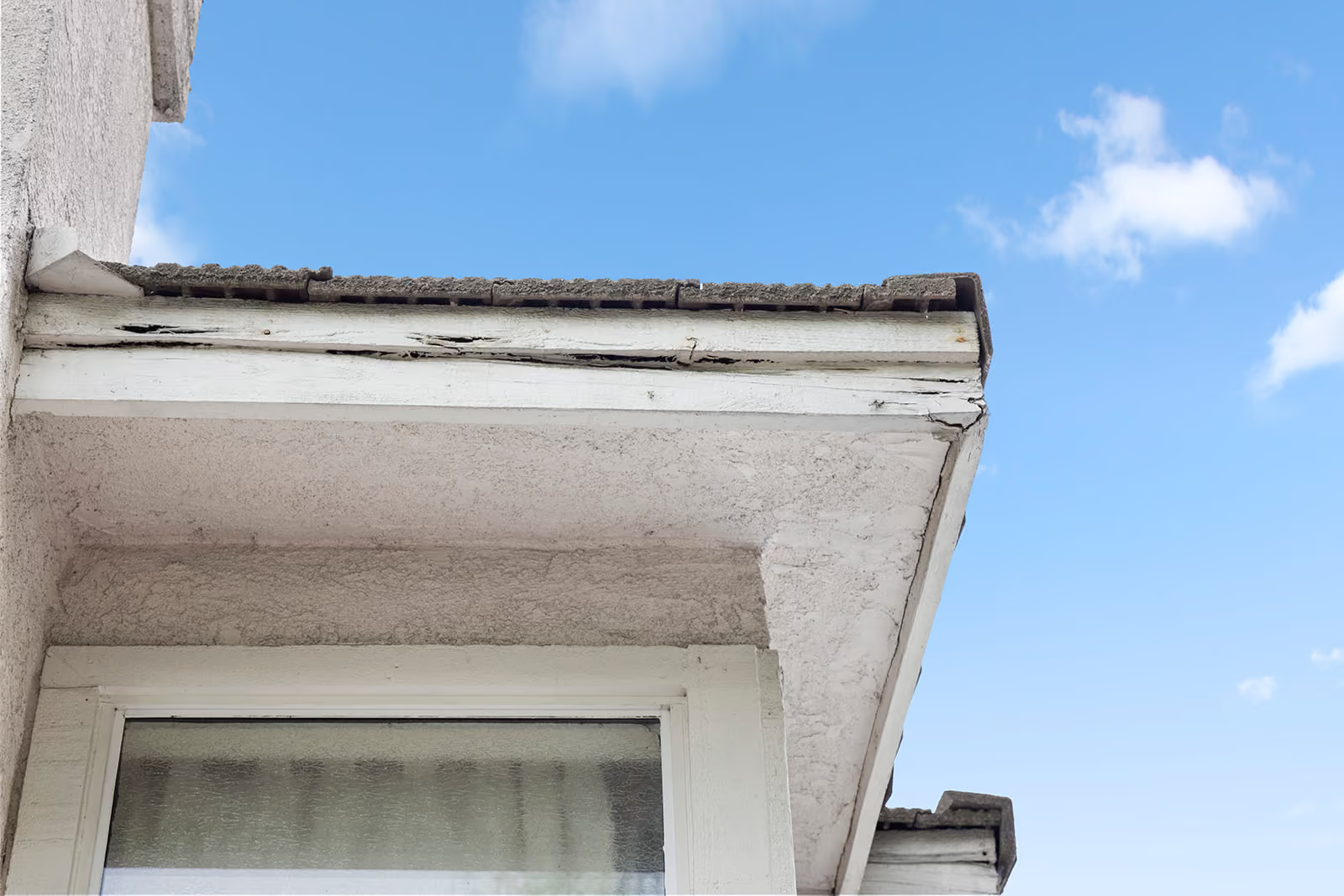
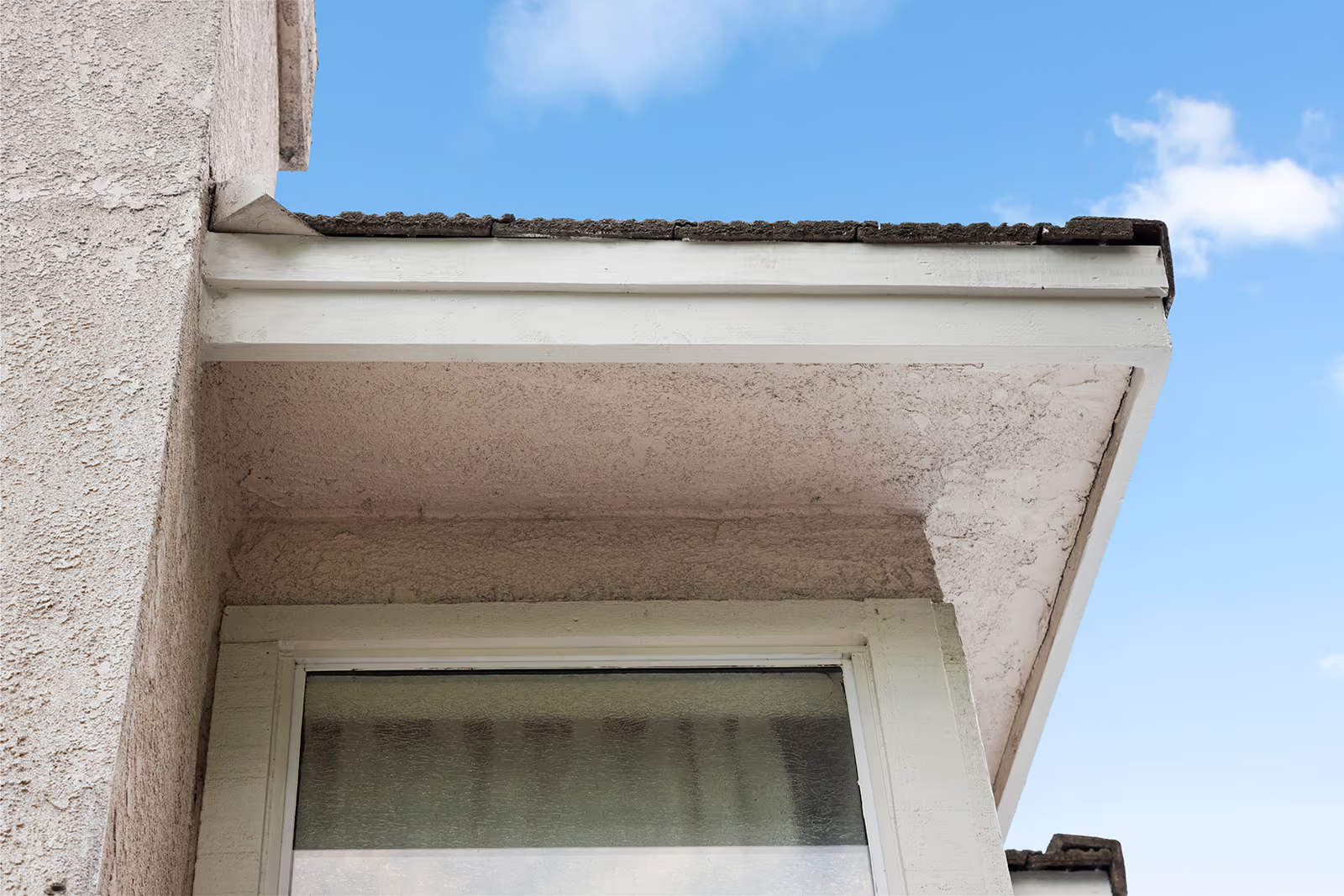
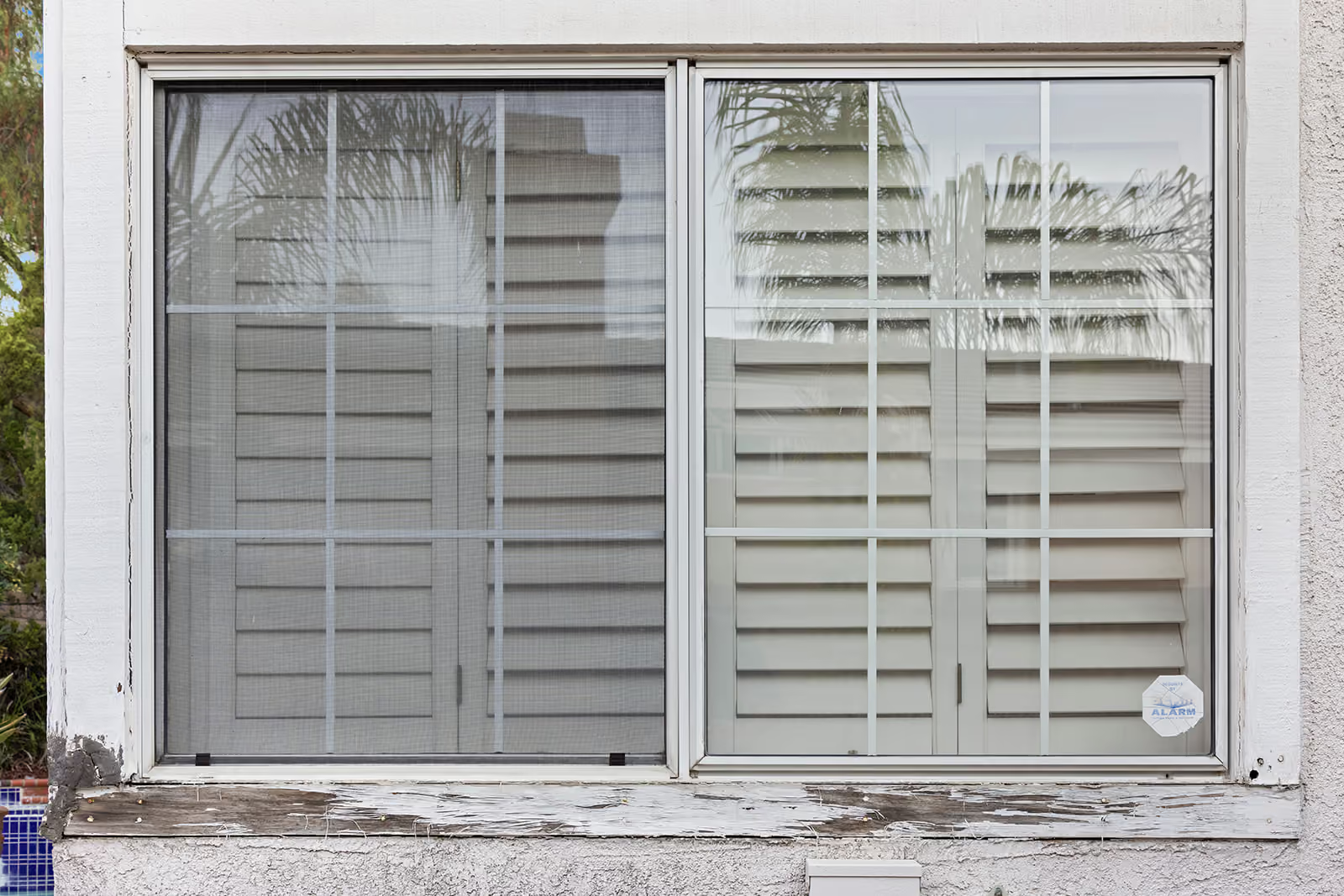
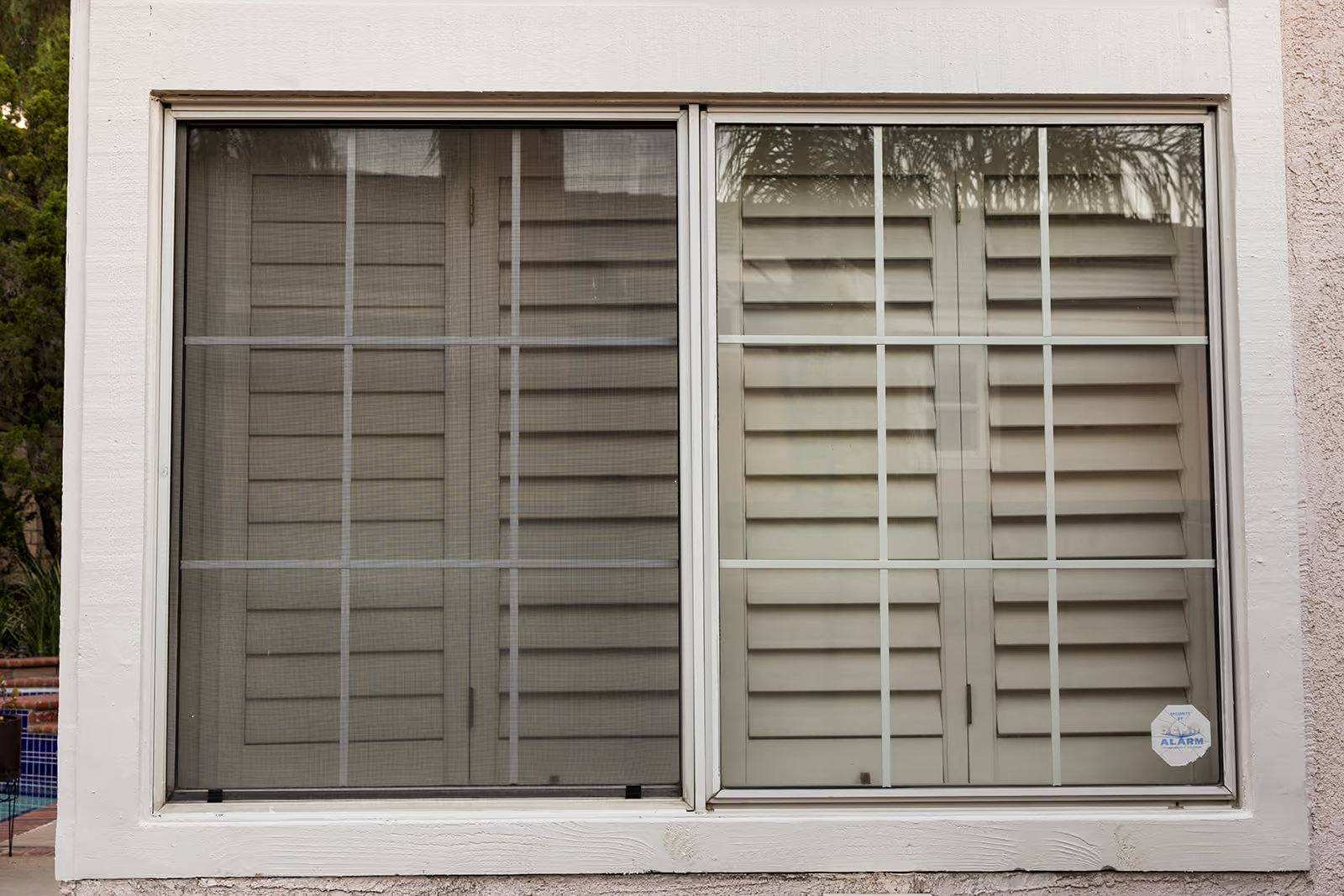
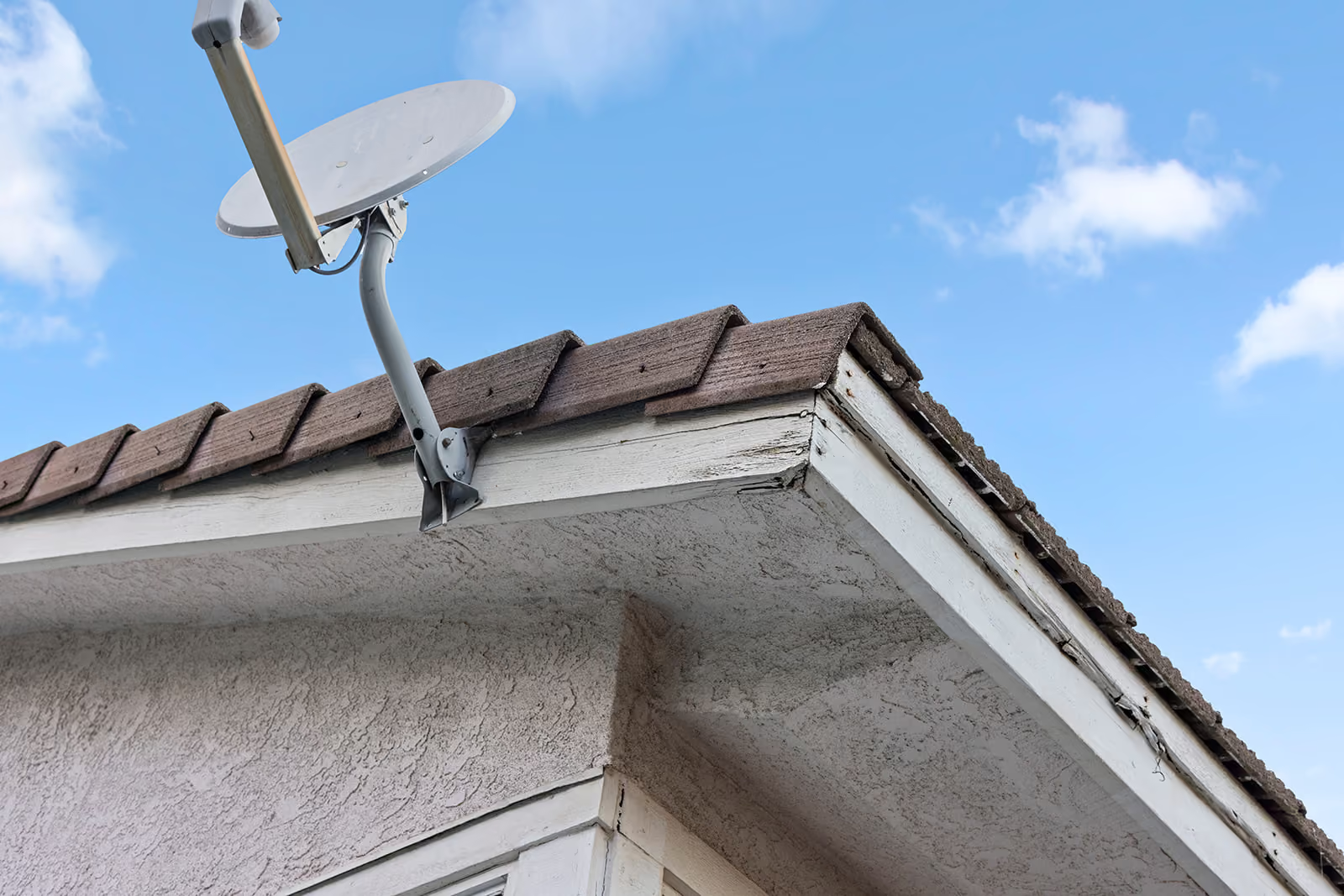
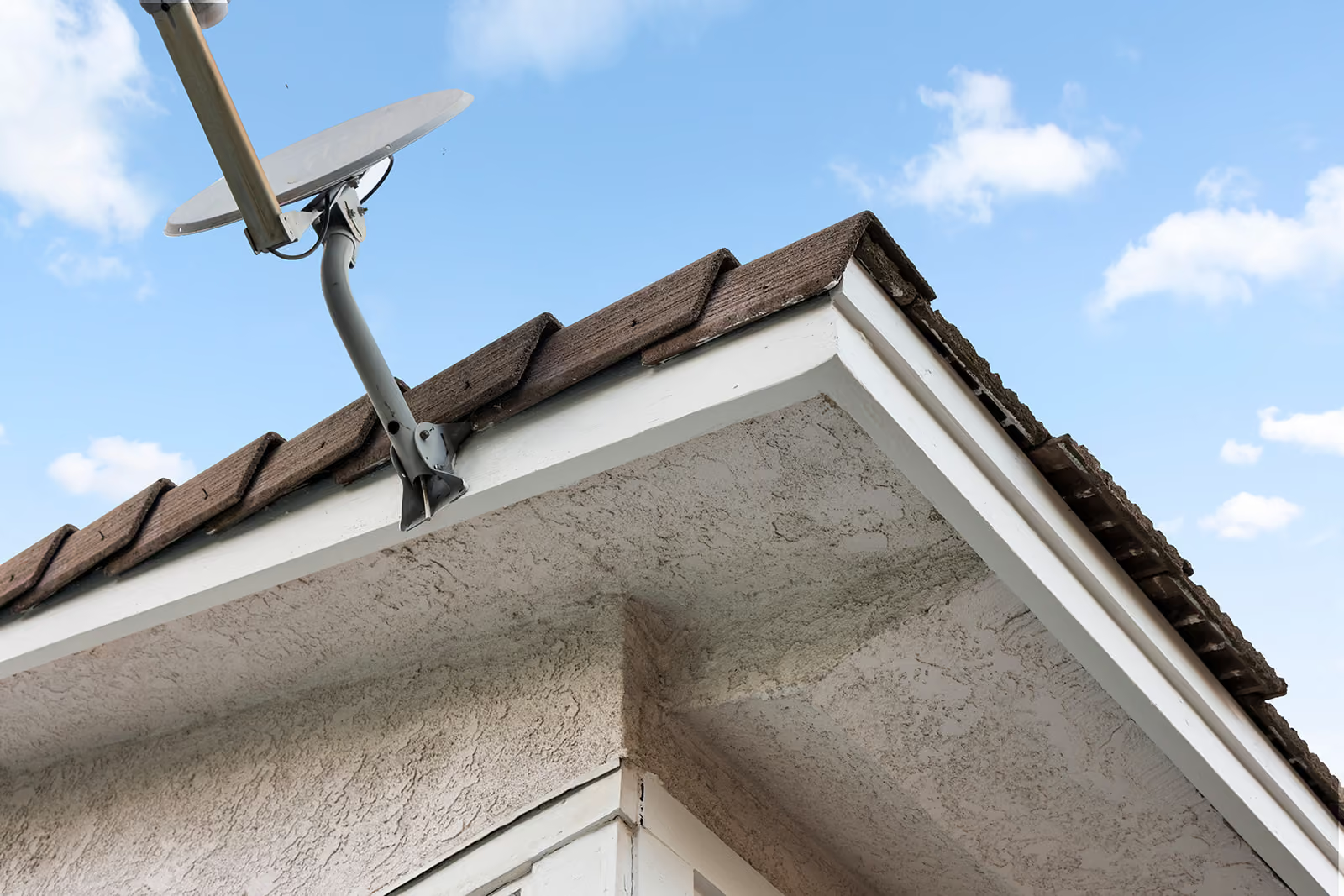
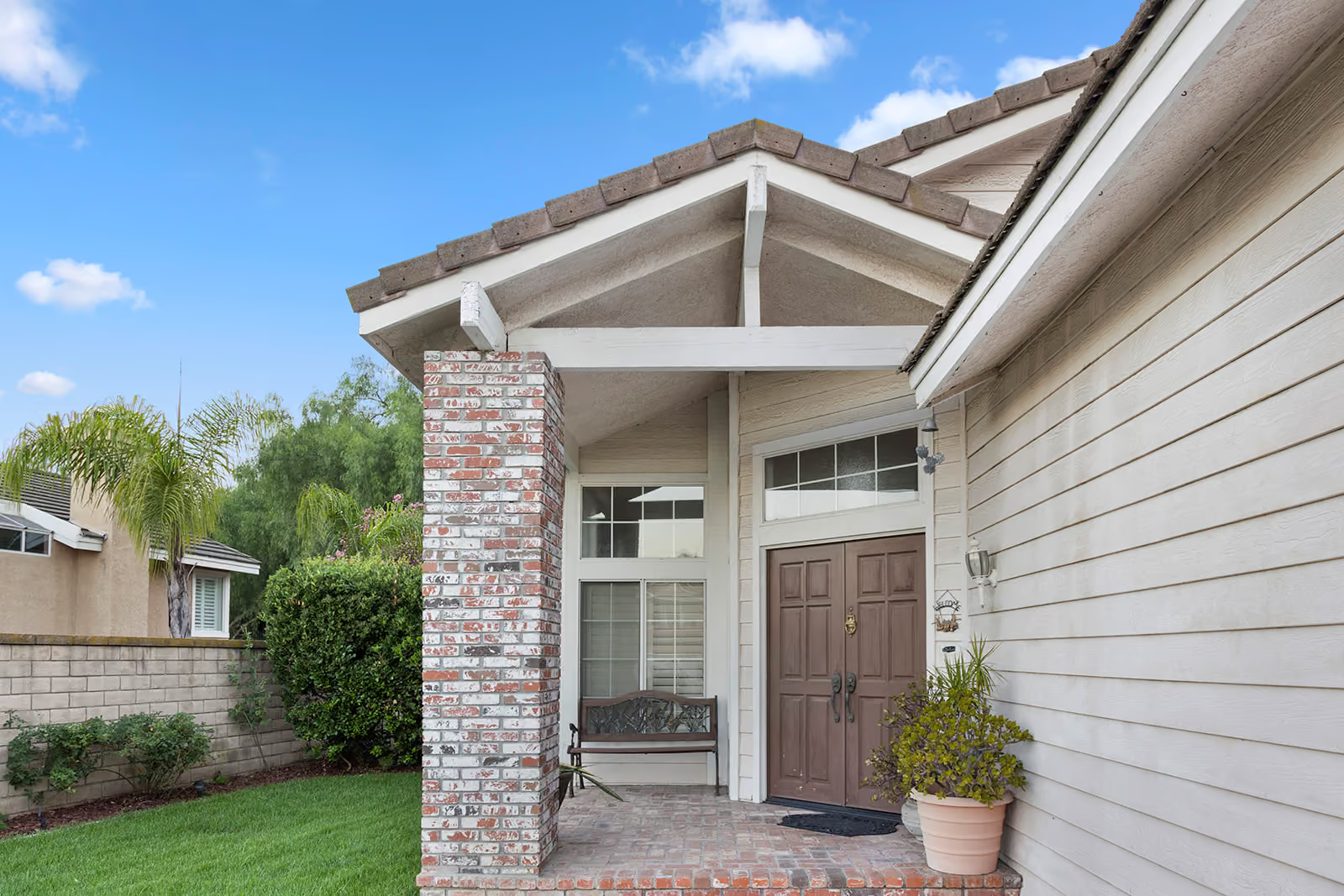
Termite Damage Repair: Before and After
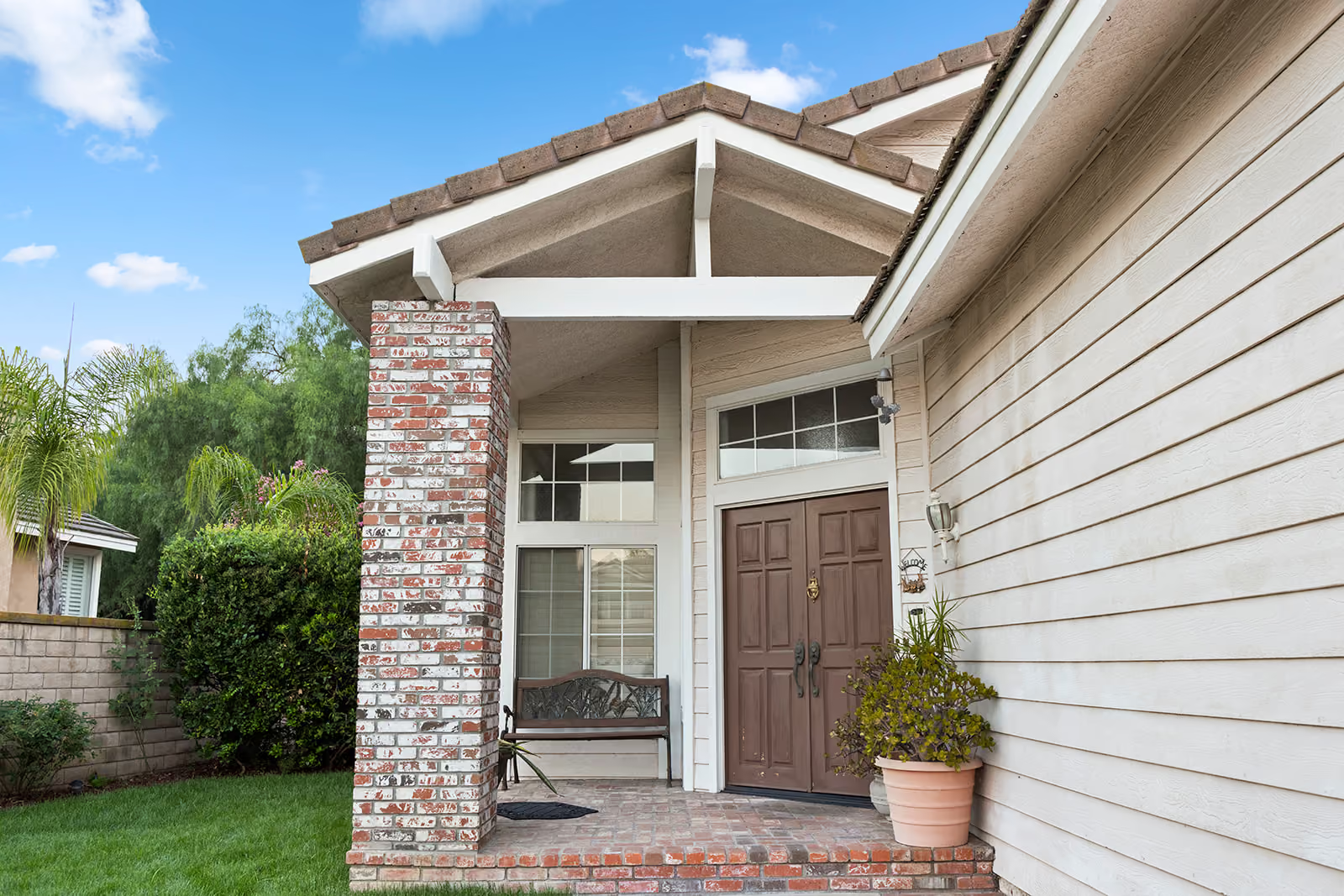
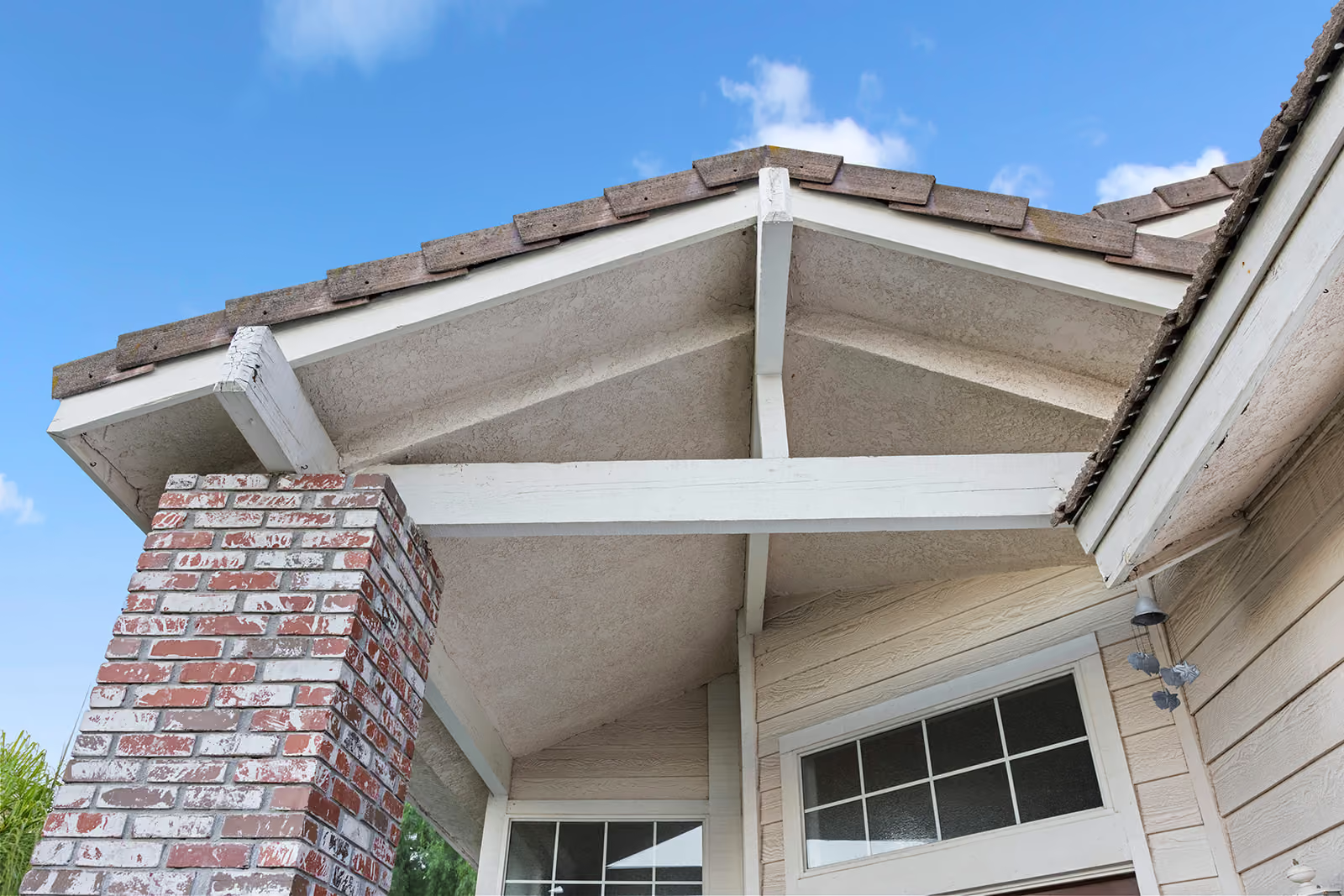
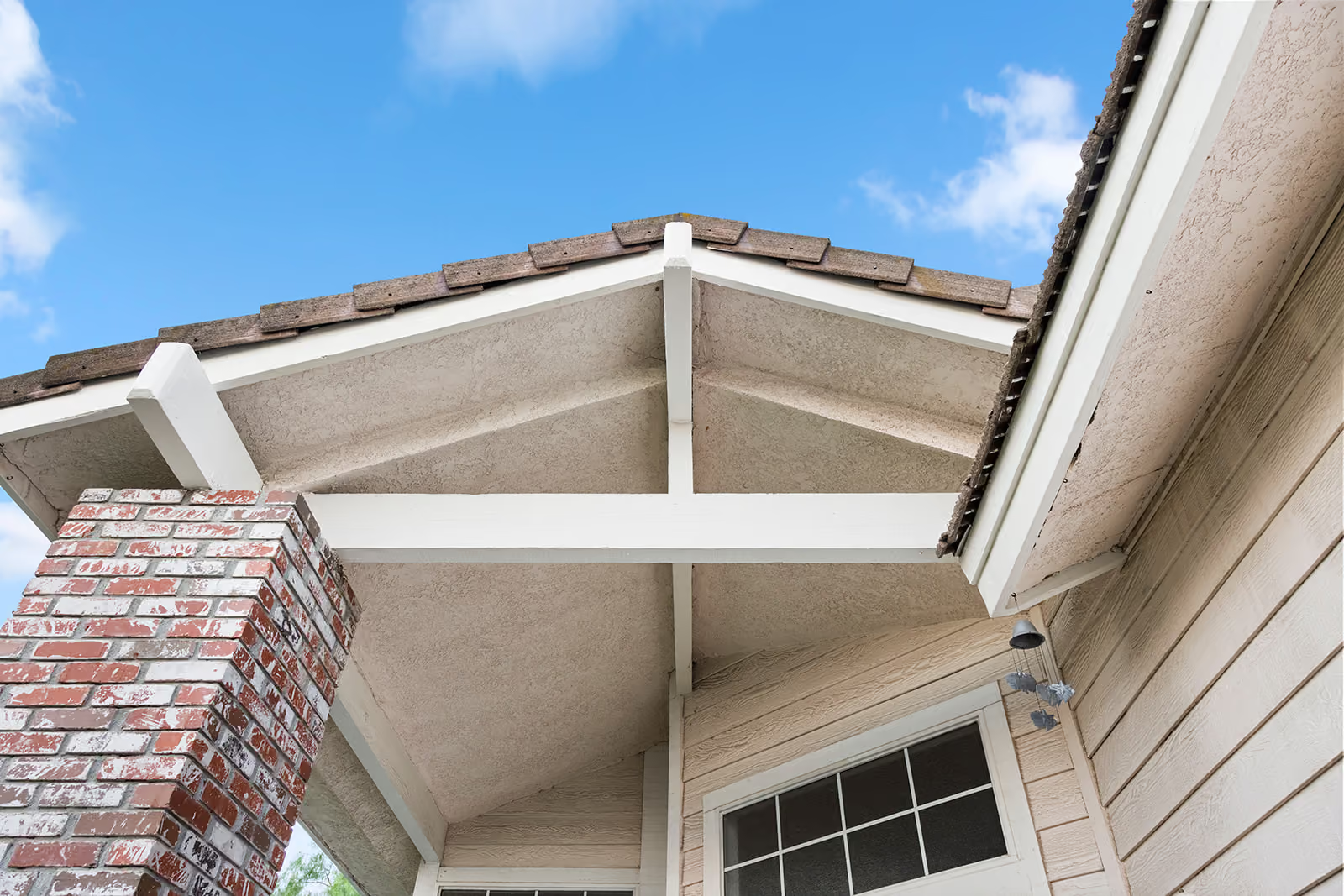
See examples of termite and wood-damage repairs completed by K Termite, including the damaged area, the repair performed, and the finished result.







Why Homeowners Choose K Termite for Termite Damage Repair
In-house carpenters
Repair work stays with K Termite instead of being handed off to an unknown repair crew.
Honest scopes and estimates
Recommendations are based on what the home actually needs, without commission-based inspection pressure.
Painting where applicable
Painting is included on many repair projects for a more finished result.
One coordinated team
Inspection, termite treatment, and wood repair can stay under one company.
Warranty-backed work
K Termite offers warranty protection designed to give homeowners more confidence after the work is completed.
Signs You May Need a Termite Inspection or Wood Repair
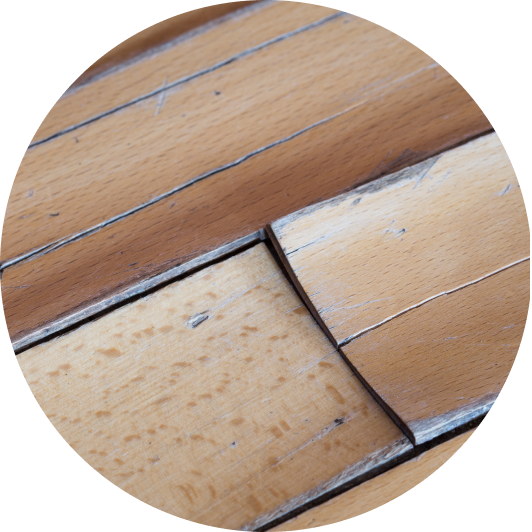
Buckling or blisters in wood flooring
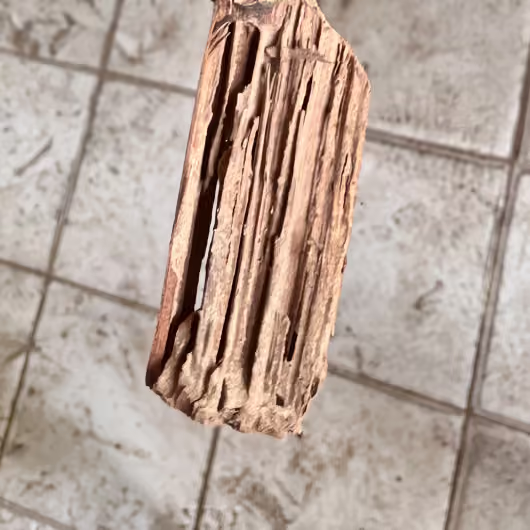
Hollow, soft, or visibly damaged wood
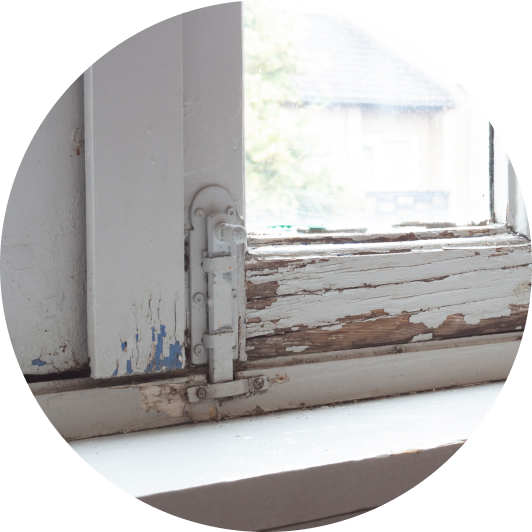
Hard to open doors and windows
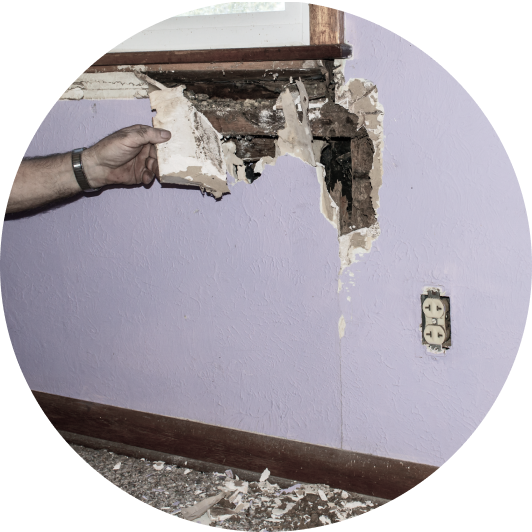
Damaged drywall, bubbling under paint or wallpaper
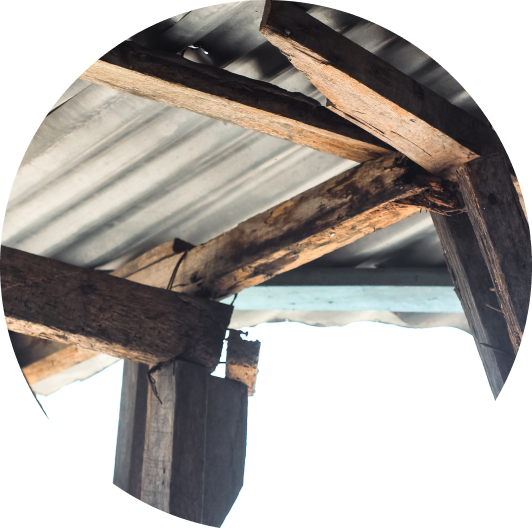
Dipping ceilings, buckling support beams, or other severe structural damage
Termite Damage Repair FAQs
The recommended scope depends on what the inspection finds. K Termite can evaluate the termite activity and wood damage, then explain whether treatment, repair, or both belong in the project.
Yes. K Termite can coordinate inspection, termite treatment, and wood repair, with an in-house carpentry team handling the repair work. That means fewer handoffs and better quality control.
The right approach depends on the location and extent of the damage. Minor damage may be repairable, while more extensive or structurally compromised wood may require replacement. K Termite will explain the recommended scope before work begins.
K Termite can address damaged wood as part of the repair scope, including dry-rotted wood where applicable. The inspection determines what needs repair or replacement.
Painting is included on many repair projects, with color matching where applicable. K Termite will confirm what is included in the repair scope before work begins.
Cost depends on where the damage is, how extensive it is, and whether structural wood is involved. K Termite provides a clear estimate based on the recommended repair scope.
Timing depends on the amount and location of the damage. K Termite will explain the expected schedule once the repair scope has been determined.
K Termite offers warranty-backed treatment and repair work. The team will explain the warranty coverage that applies to the specific scope of work.
Schedule a free inspection - we’ll assess the damage and provide a detailed repair estimate.
.svg)

