
.png)
A quiet threat can live just inches below your feet. Subterranean termites move through soil, slip into the smallest gaps, and feed on wood nonstop, often leaving homeowners unaware until the damage is already significant. The good news is that strong, proven treatment options exist, and each one offers a different level of protection depending on the home’s structure, soil conditions, and the severity of the activity.
Below are reliable control options designed to help you choose the right direction for your home, along with insights on how each method works, why it's effective, and what homeowners should expect during treatment.
Best Treatment for Subterranean Termites to Keep Your Home Safe
1. Liquid Soil Treatments
Liquid soil treatments are among the most common and reliable solutions for subterranean termites. This method applies a termiticide directly into areas showing signs of termites. Once the chemical is placed, termites that pass through the area absorb the fatal solution. And pass it along to other termites that they touch. Protecting your home.
Why Liquid Soil Treatments Work
- Creates a treated zone
- Blocks active colonies from accessing wood
- Eliminates and affects termites that enter the treated soil
- Offers direct protection when applied properly
After application, liquid treatments remain active in the soil for years. They are most effective when a trained technician applies the material at the correct depth, rate, and location. Homes with soil contact, slab foundations, and moisture issues often benefit greatly from this option.
2. Localized Wood Treatments
Localized wood treatment targets specific areas inside the structure where subterranean termite activity has been detected. While these termites usually live in soil, they can create feeding points in wooden beams, framing, or localized moisture-damaged sections of a home.
What Local Wood Treatments Include
- Injecting termiticide into affected wood
- Applying surface treatments to exposed areas
- Using foam to reach deep or tight spaces
This approach works best as part of a larger strategy—not a stand-alone fix—because subterranean colonies live underground. Localized treatments remove activity in the structure but do not address termites in the soil unless combined with a soil barrier or another control option.
3. Perimeter Treatment
Perimeter treatment is the strongest method to control for subterranean termites, especially for homes where activity is found close to the foundation. This method focuses on creating a treated band around the outside of the structure so termites cannot reach the wood inside.
How Perimeter Treatment Works
- A deep line of termiticide is applied around the home perimeter
- Stops termites in their tracks when they cross this barrier
- Blocks entry points along the foundation
- Eliminates movement from nearby colonies
Perimeter treatments are reliable for any home, are used along with trenching, drilling, or local wood treatments. When applied correctly, the barrier protects the structure from multiple sides and helps limit future activity around the building.
4. Full-Structure Fumigation (When Needed)
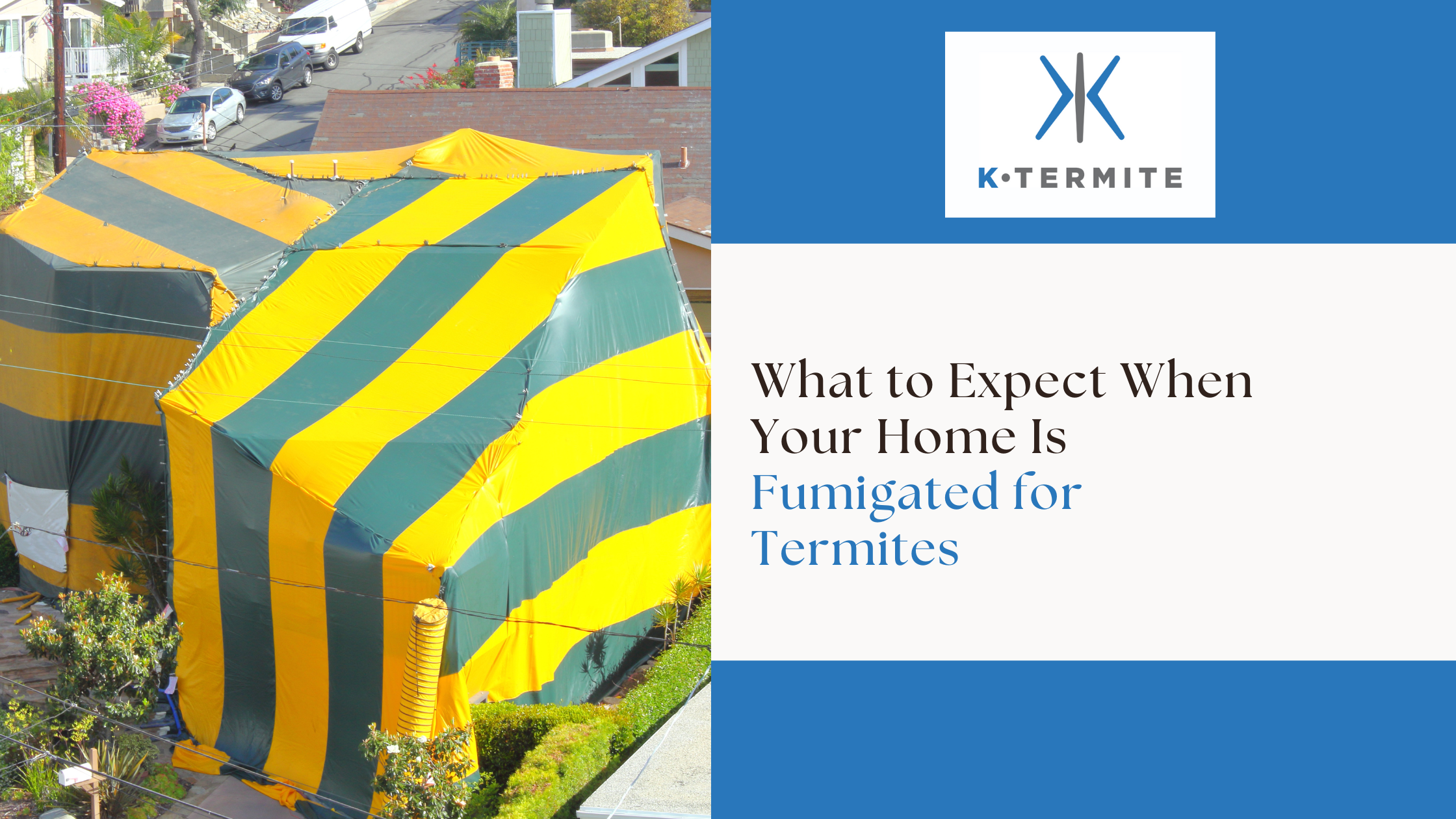
While fumigation is more commonly used for drywood termites, some severe subterranean infestations inside walls or inaccessible structural areas may call for it as part of a combined approach. Fumigation reaches all internal wood surfaces by filling the home with a gas that travels into hidden openings.
What Fumigation Provides
- Penetrates all structural wood
- Reaches galleries within walls
- Treats termites that have moved above ground
While fumigation can remove termites inside a home, it does not eliminate subterranean colonies in the soil. Combining it with a soil treatment ensures effective subterranean termite treatment and long-term protection.
5. Physical Barriers and Structural Modifications
Physical barriers are long-term defenses installed during construction or renovations. These include sand barriers, stainless steel mesh, or specially designed materials placed beneath concrete slabs or around plumbing penetrations.
For existing homes, structural adjustments can also help reduce risk. These include fixing moisture problems, improving drainage, repairing wood-to-soil contact, and sealing foundation gaps. Subterranean termites thrive in damp soil, so reducing moisture around the home plays a major role in preventing future activity.
Although physical barriers alone may not solve an active infestation, they boost the effectiveness of other treatments and support long-term protection.
How to Choose the Right Control Option
Selecting the right subterranean termite control option depends on the situation in your home. Here are a few considerations:
- Extent of the infestation: Localized activity may only need wood treatments, while widespread movement may require fumigation.
- Soil conditions: Some soil types absorb products more quickly, which affects how the treatment should be applied.
- Foundation design: Slab homes, raised foundations, and basements all require different approaches.
- History of termite activity: Homes with recurring issues may need combined treatments and long-term maintenance.
A trained professional evaluates all these factors and recommends a plan that targets both the active colony and your home’s risk level.
Related Articles:
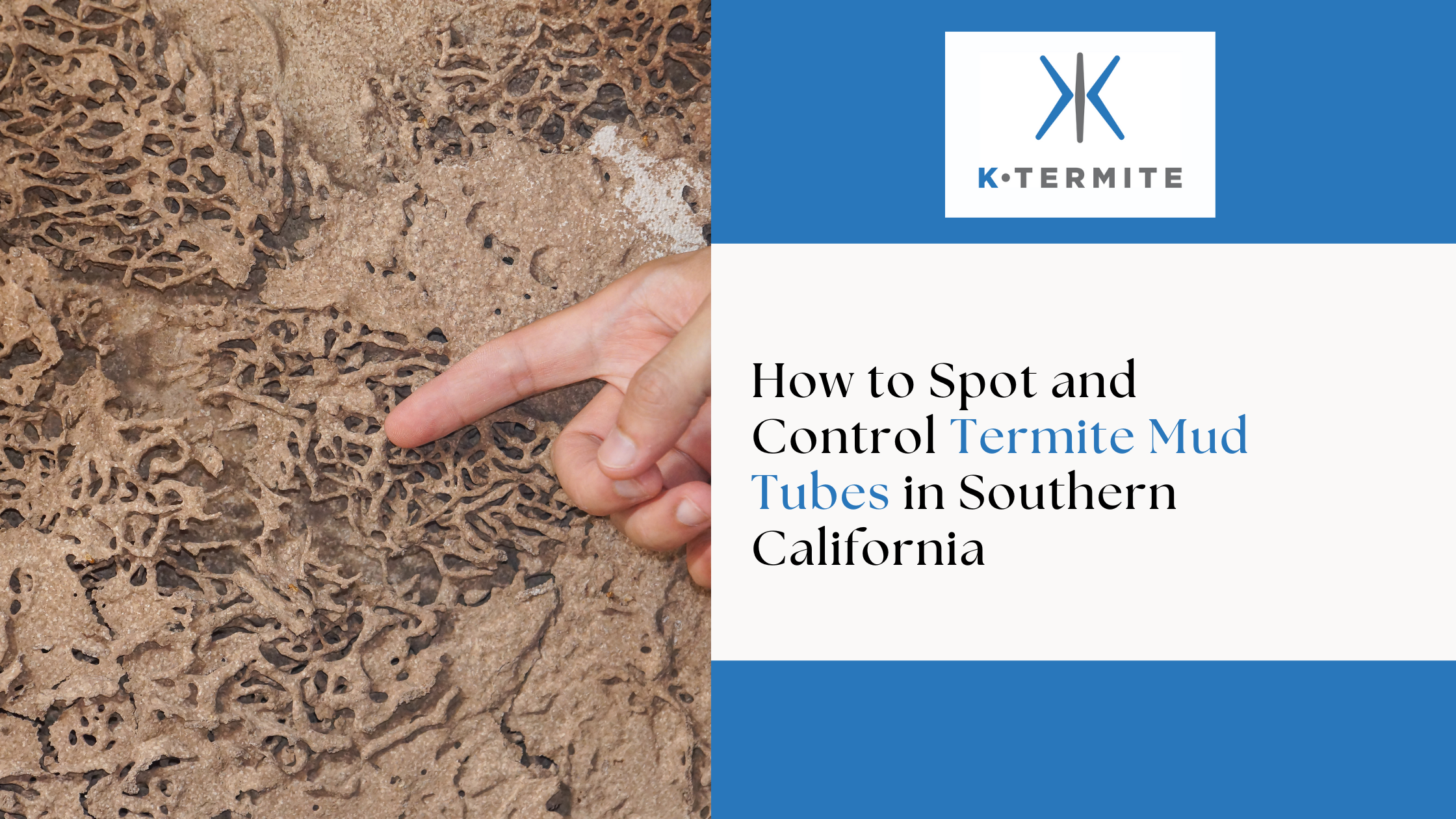
How to Spot and Control Termite Mud Tubes in Southern California
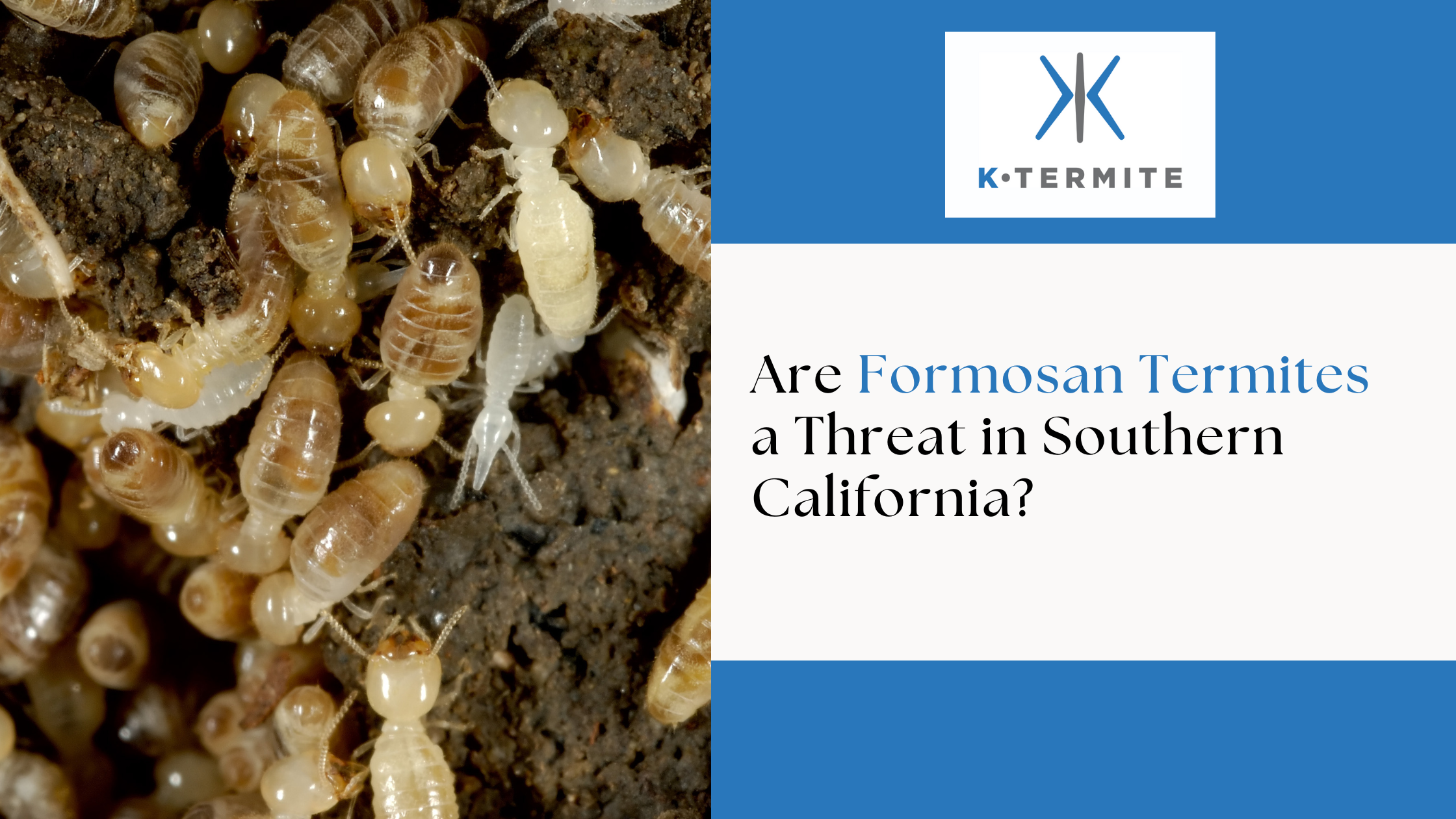
Are Formosan Termites a Threat in Southern California?
Which Wood Types Are Most Resistant to Termite Damage?
Why Is Regular Subterranean Termite Protection Important for Homes?
When it comes to safeguarding your home, our team at K Termite takes every detail seriously. Subterranean termites move quietly, but our inspection process is built to catch activity early and map out the best way to stop it.
We provide free termite inspections to give homeowners a complete view of termite activity beneath and around their property. Once we identify the issue, we recommend the right combination of treatments - liquid soil treatment, wood treatments, or perimeter treatments. Since we focus on strong, long-lasting results, our team selects the options that fit your property instead of pushing unnecessary services.
Our work doesn’t stop at treating activity. We offer in-house carpentry services to repair damaged areas and restore your home’s structural strength. With our warranties and protection policy, clients gain long-term confidence knowing their home is watched over even after the treatment is completed.
At K Termite, we’re dedicated to keeping your home safe, solid, and protected from subterranean termites. Contact us today for professional termite control and repair services.
Final Thoughts
Subterranean termites can cause serious damage silently, but homeowners have multiple ways of treating them effectively. From liquid soil treatments to wood protection and perimeter barriers, each method plays a key role in protecting your home.
By choosing the right plan and working with a trusted company like K Termite, you can get rid of subterranean termites, protect your investment, and maintain peace of mind for years.

.png)
.png)
.png)
.png)
.png)
.png)
.png)
.png)
.png)
.png)
.png)
.png)
.png)
.png)
.png)
.png)
.png)
.png)
.png)
.png)
.png)
.png)
.png)
.png)
.png)
.png)
.png)
.png)
.png)
.png)
.png)
.png)




.png)
.png)
.png)
.png)
.png)
.png)
.png)
.png)
.png)
.png)





.png)
.png)
.png)
.jpg)

.webp)
.webp)

.webp)

.svg)

