
.png)
Termites are a common problem for homeowners in Pasadena. These tiny insects can cause significant damage to wooden structures, furniture, and even the foundation of your home if left untreated. While traditional termite treatments can be effective, many involve harsh chemicals that may not be safe for your family, pets, or the environment.
Fortunately, eco-friendly termite treatment solutions provide an effective alternative that protects both your home and the surrounding environment.
Principles of Environmentally Conscious Termite Control
Eco-friendly termite solutions follow a few key principles:
- Targeted application: Treatments focus on affected areas rather than a blanket approach.
- Lower-toxicity materials: Safe for humans, pets, and the surrounding landscape.
- Minimal disruption: Work is done carefully to avoid unnecessary impact on your home.
- Support for long-term prevention: Treatments complement measures that reduce future infestations.
By following these principles, homeowners can address termite issues without unnecessary disruption or excessive chemical use.

Eco-Friendly Termite Treatment Options
1. Borate-Based Treatments
Borate solutions are derived from boron compounds, which are naturally occurring minerals safe for humans and pets when applied correctly. These solutions penetrate wood and act as a barrier, making it toxic to both termites and fungus. Borates are particularly effective during construction or renovations as a preventive treatment for wooden structures.
3. Physical Barriers and Preventive Measures
Physical barriers, such as stainless steel mesh or sand barriers, can prevent termite access to wooden structures. Homeowners can also adopt preventive measures, such as reducing wood-to-soil contact, maintaining proper drainage, and minimizing excess moisture around foundations. These measures lower the risk of termite infestation and support eco-friendly home protection.
4. Localized Treatments
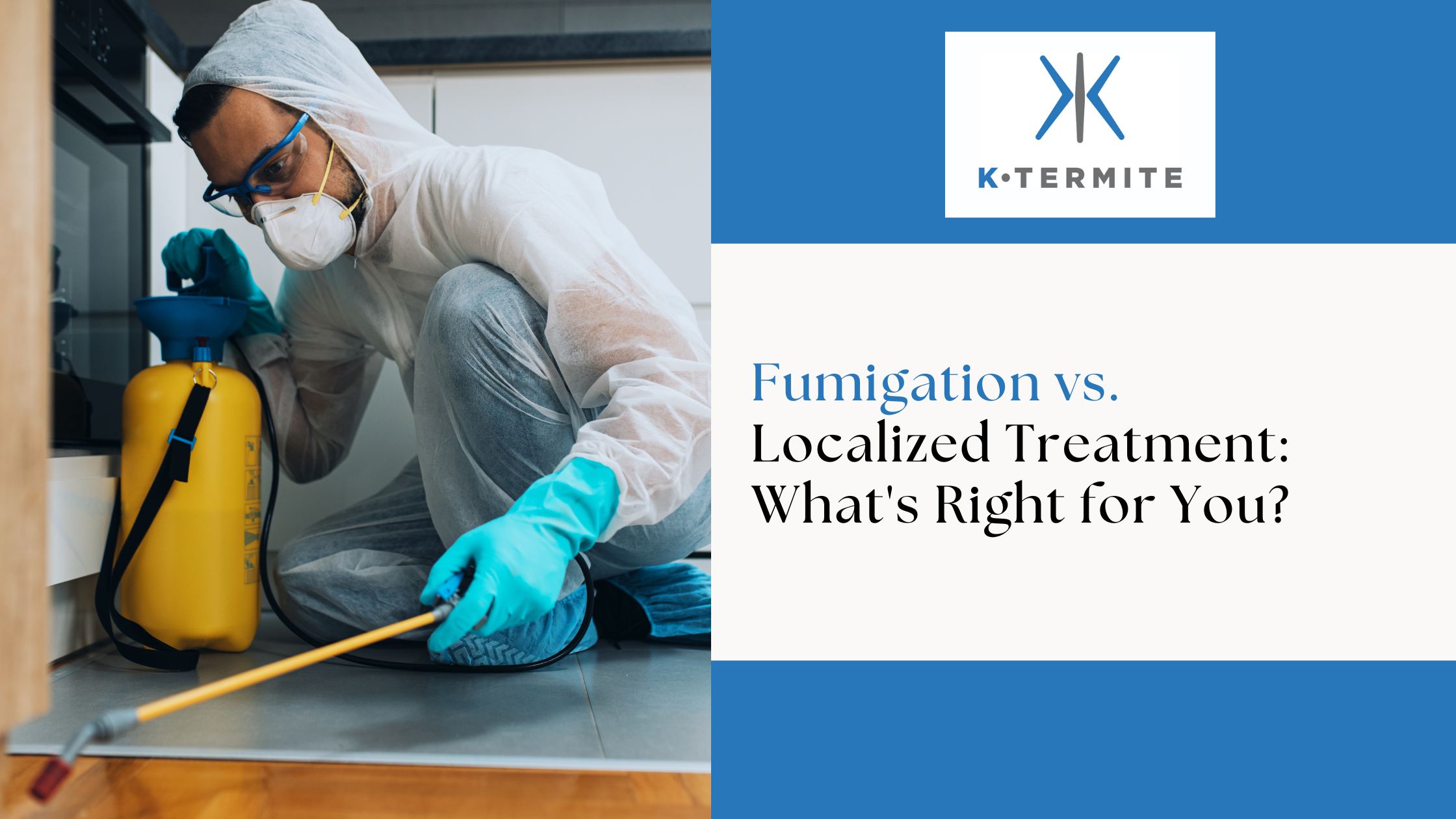
Localized treatments focus on targeted areas where termite activity is detected. These treatments use eco-friendly compounds applied directly into termite galleries or specific structural elements, minimizing chemical use throughout the home. Localized treatment is especially effective for small infestations and can be combined with preventive measures to stop termites from spreading further.
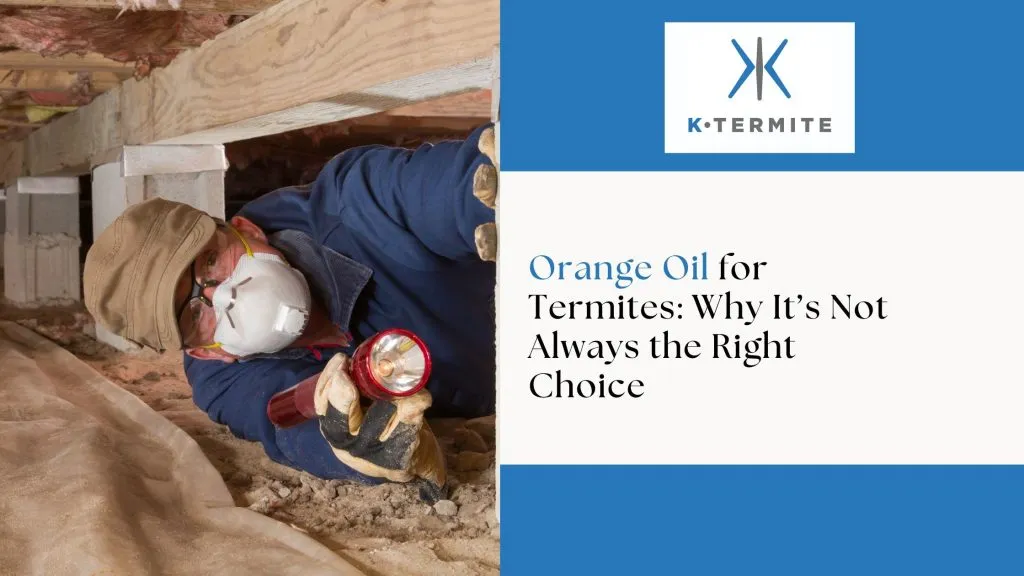
5. Orange Oil Treatments
Orange oil is derived from the peel of oranges and contains a compound called d-limonene, which is toxic to termites. When applied directly to termite galleries or infected wood, it kills termites on contact.
Orange oil is a low-toxicity option and is generally safe for use around humans and pets. However, it is most effective for small or localized infestations and may not be suitable for severe termite problems that have spread extensively throughout the structure.
6. Heat Treatments
Heat treatment involves raising the temperature of infested areas to levels lethal to termites. This chemical-free method eliminates colonies without introducing toxins into the home.
However, at K Termite, we advise against using heat treatments. There are potential complications with painting, electrical wiring, and other areas of your home, which lead to damage and additional repair costs. While heat treatment can work for some situations, we focus on safer, eco-friendly alternatives that protect your property and prevent termite activity effectively.
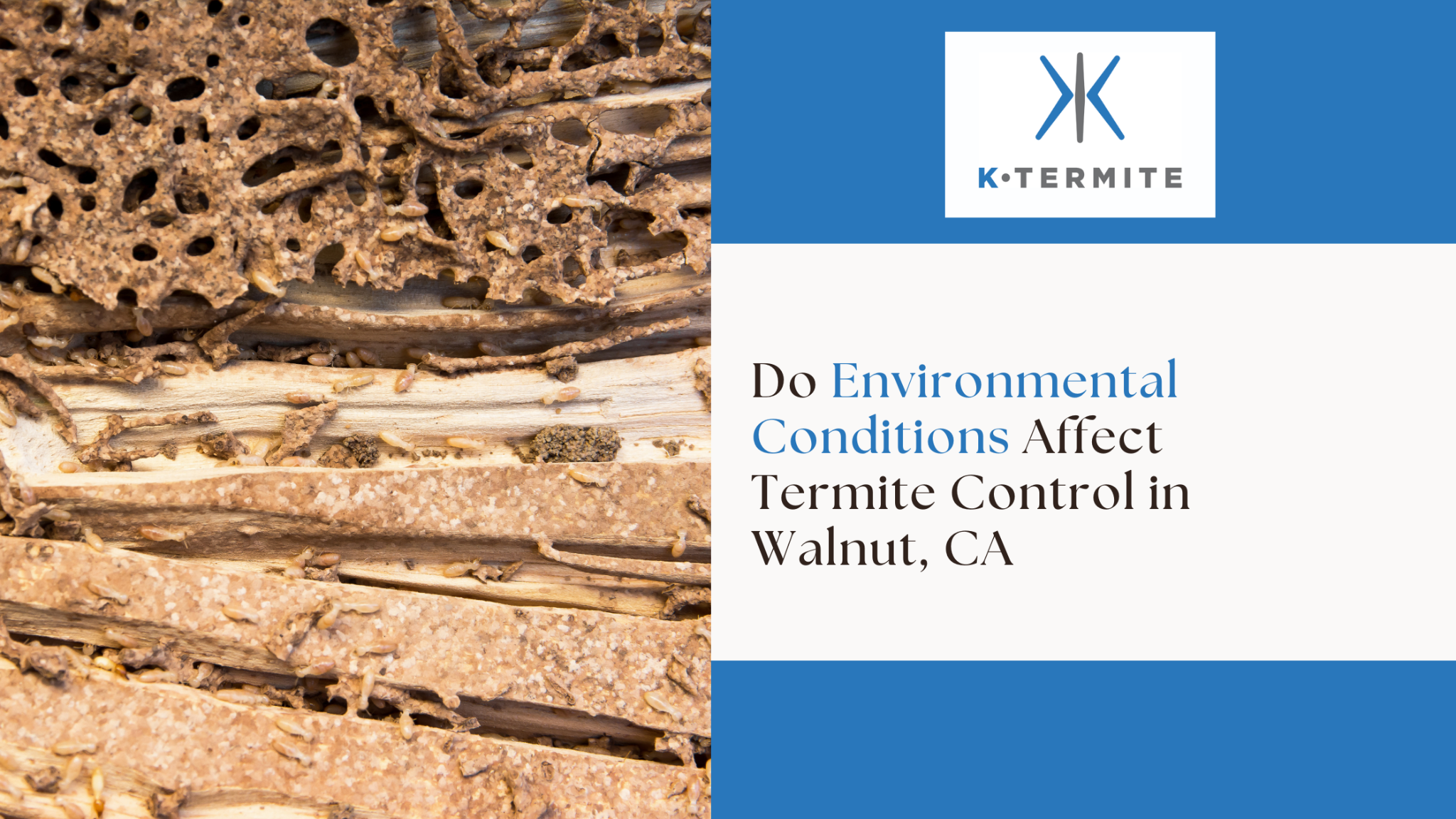
Want to know if termites thrive in the heat? Read on!
7. Soil Treatments with Reduced Environmental Impact
Some eco-friendly termite programs include soil treatments that use reduced-toxicity products designed to stay bonded to the soil rather than spreading into surrounding areas. These treatments create a protective zone around the structure while minimizing runoff or leaching.
When applied correctly, these soil treatments provide long-term protection and are often used when termite activity is extensive or when prevention is the primary goal. Proper application is critical to ensure effectiveness and environmental responsibility.
8. Fumigation as a Controlled Treatment Option
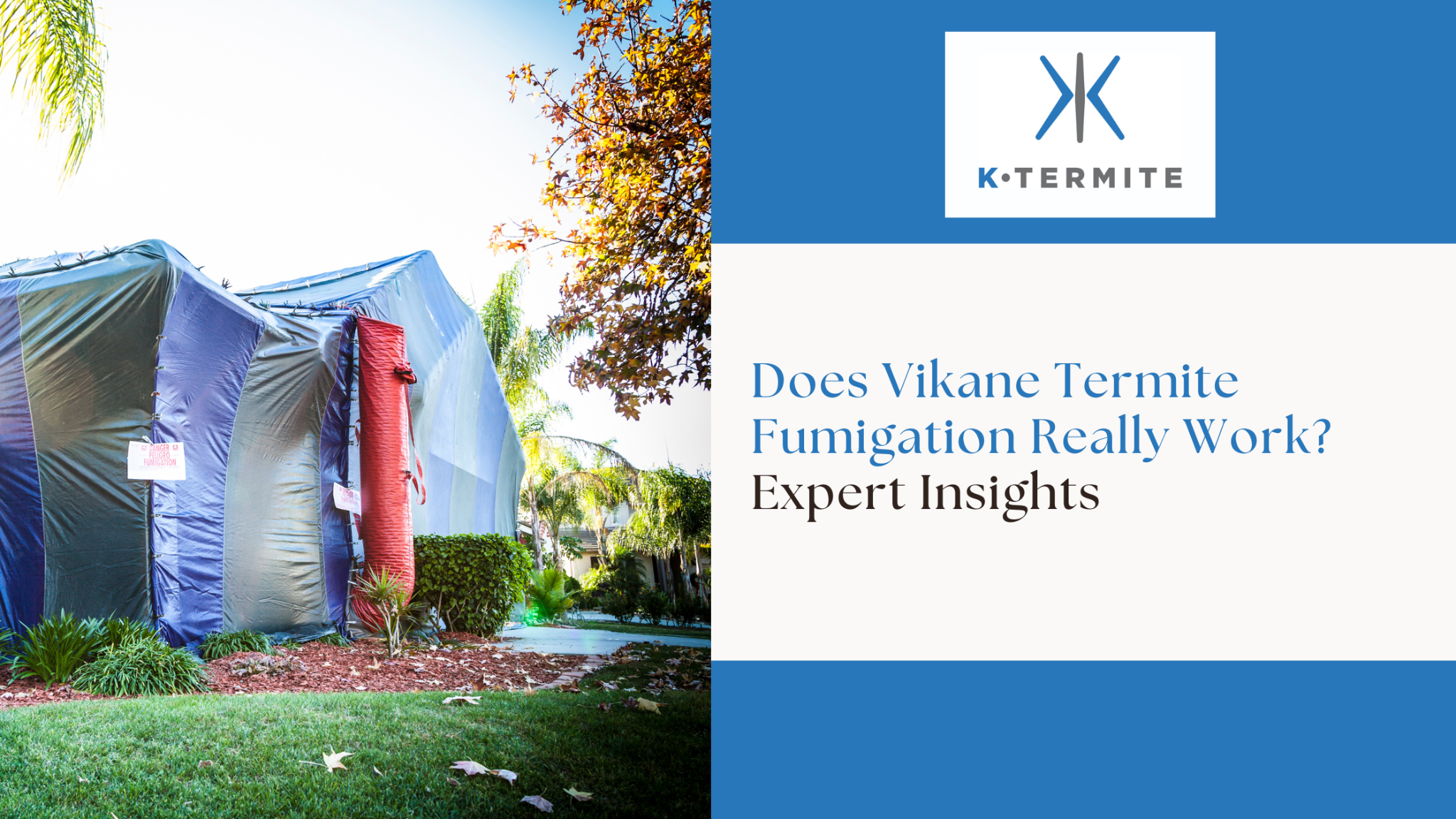
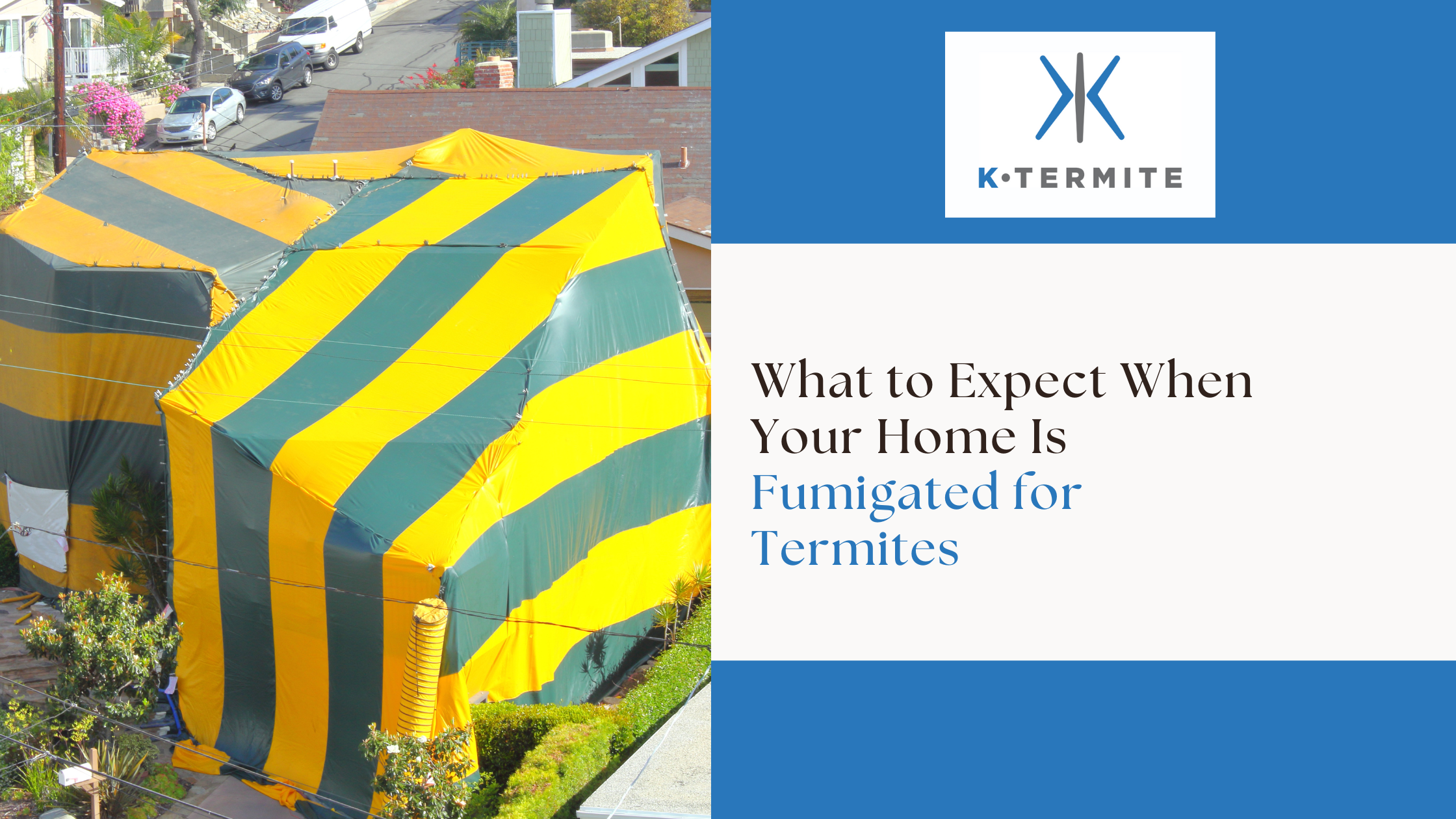
Fumigation is sometimes necessary for homes with widespread or hard-to-reach termite activity. This method involves enclosing the structure and releasing the same fumigant gas that reaches areas not accessible through localized or wood-applied methods.
While fumigation is not considered a low-impact solution, it is the best and responsible treatment plan when used carefully and only when other options are not sufficient. Modern fumigation practices follow strict guidelines to reduce exposure risks and ensure proper aeration for your complete safety before re-entry.
Benefits of Green Termite Solutions
Choosing environmentally safe termite control offers several advantages:
- Health and Safety: Low-toxicity methods reduce risks to children, pets, and household members.
- Environmental Protection: Using natural compounds and biological agents limits chemical runoff and environmental contamination.
- Sustainability: Eco-friendly treatments support sustainable living by reducing reliance on harsh chemicals.
- Long-Term Protection: Preventive strategies and natural solutions can offer lasting protection without repeated chemical exposure.
Pasadena homeowners can implement these treatments to maintain the beauty and integrity of their homes while prioritizing health and sustainability.
Integrated Prevention for Long-Term Protection
Eco-friendly termite control works best when treatment is combined with prevention. Pasadena homeowners can reduce the risk of future activity by addressing conditions that attract termites.
Effective prevention steps include:
- Reducing moisture around foundations
- Fixing plumbing leaks promptly
- Keeping wood materials away from soil contact
- Maintaining proper ventilation in crawl spaces
These steps support treatment efforts and help extend the life of eco-friendly solutions.
Get to know: Termite Prevention vs. Repair Costs: Which Saves You More Money?
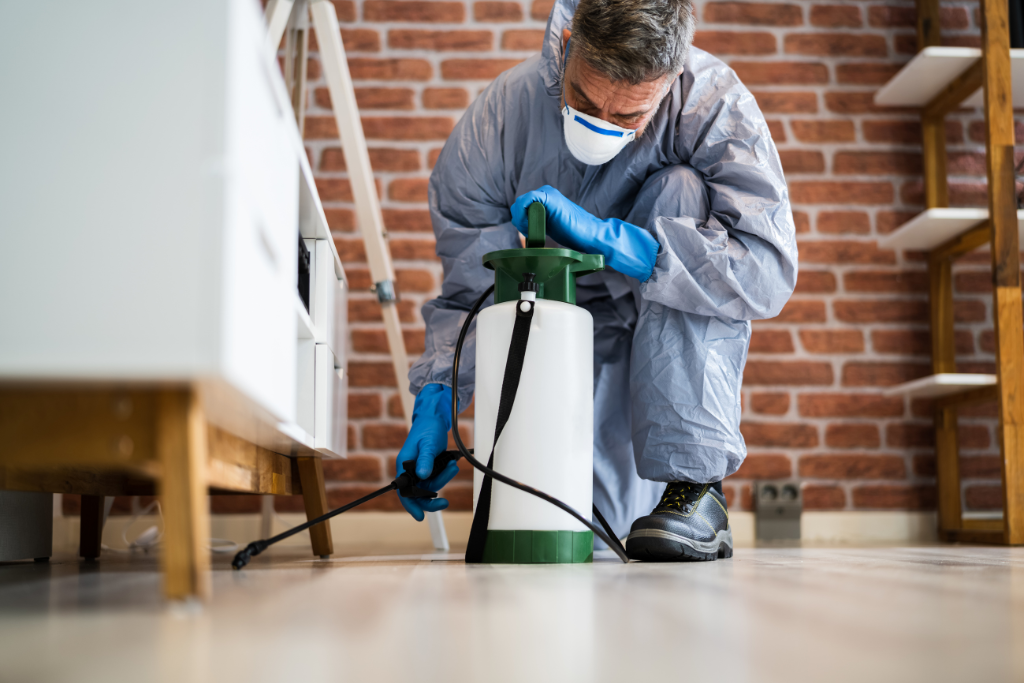
Looking for Safe and Eco-Friendly Termite Treatment in Pasadena?
K Termite provides eco-friendly termite treatment services that prioritize safety, accuracy, and long-term protection. Our methods are designed to manage termite activity without unnecessary disruption to your home.
- Free termite inspections to assess termite activity and damage
- Targeted treatments based on infestation size
- Borate and localized applications for wood protection
- Repair services are handled by our own carpentry team
- Strong warranties for lasting confidence
We avoid one-size-fits-all methods and focus on solutions that support prevention and proper property care. Every home receives careful planning and honest recommendations.
Contact K Termite today to schedule a free inspection and learn more about our safe and effective non-toxic termite treatment options.
Maintaining an Eco-Friendly Approach Over Time
Eco-friendly termite control doesn’t end after treatment. Regular maintenance and monitoring are essential to keep your home safe:
- Schedule periodic inspections to detect new termite activity early.
- Maintain proper landscaping practices, such as keeping soil away from foundations and reducing moisture buildup.
- Apply preventative treatments in problem areas to discourage termite reinfestation.
- Replace damaged wood with termite-resistant materials when necessary.
Combining professional eco-friendly treatment with homeowner diligence ensures a long-term solution that protects both your home and the environment.
Related Articles:
- 5 Reasons Local Termite Companies Beat Big Brands
- Is My Home at Risk for Termites in Southern California?
- How Do I Choose the Right Termite Treatment for My House?
Eco-friendly termite treatment solutions give Pasadena homeowners a practical way to safeguard their property while minimizing environmental impact. Through borate and localized treatments, soil applications, preventive measures, and careful monitoring, it is possible to manage termites effectively without relying on harsh chemicals.
With K Termite’s guidance, homeowners can enjoy lasting protection and peace of mind, knowing their home and the surrounding environment are safe.

.png)
.png)
.png)
.png)
.png)
.png)
.png)
.png)
.png)
.png)
.png)
.png)
.png)
.png)
.png)
.png)
.png)
.png)
.png)
.png)
.png)
.png)
.png)
.png)
.png)
.png)
.png)
.png)
.png)
.png)
.png)
.png)








.png)
.png)
.png)
.png)
.png)
.png)
.png)
.png)

.png)
.png)







.png)
.png)

.png)
.jpg)

.webp)
.webp)



.webp)

.svg)

