
.webp)
When planning a kitchen, most homeowners focus on cabinets, countertops, and finishes. That makes sense because those are the parts you see every day.
But in Diamond Bar, there’s a hidden side of kitchen design that often gets ignored: what’s happening behind those finishes.
Termite issues rarely begin where you can see them. They usually start quietly behind cabinets, under flooring, or around plumbing lines. By the time visible damage appears, the problem has often been developing for months.
That’s why kitchen design should not just look good; it should also reduce hidden risk from the start.
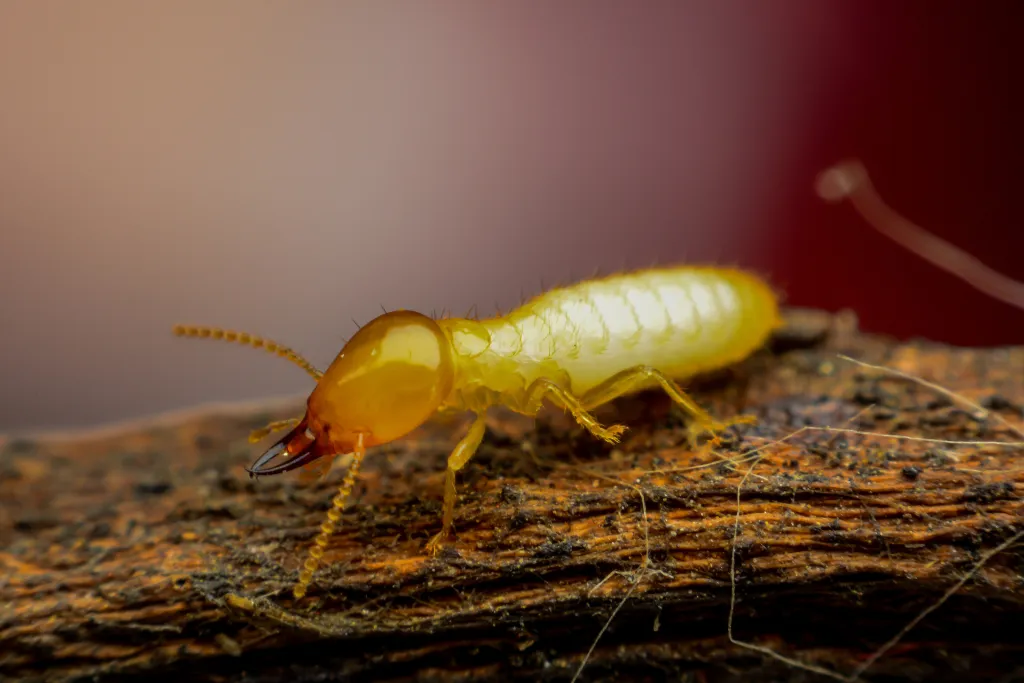
High-Risk Areas for Termite Activity in a Kitchen
Instead of viewing your kitchen as a single unit, it’s more useful to break it into sections. Some areas naturally face more exposure due to daily use and environmental conditions.
- The Under-Sink Area: It’s easy to forget what’s happening behind those cabinet doors, but even a tiny, "blink-and-you’ll-miss-it" leak can do some serious damage over time. Because it’s a dark, enclosed space, moisture tends to hang around, turning a simple plumbing hiccup into a much bigger headache if you aren't checking in on it regularly.
- Cabinet interiors near walls: The back panels and lower parts are always in close contact with other surfaces, which can make them more vulnerable than open areas.
- Flooring base layers: What you see on the surface is only part of the structure. Beneath tiles or wood finishes are foundational layers that can be affected if exposed to unfavorable conditions from edges or joints.
These areas don’t demand attention during everyday use, which is exactly why they should be carefully considered during the design stage.
Choosing Termite-Resistant Materials for the Kitchen
- Go beyond basic wood: If you’re using wood, go for pressure-treated or borate-treated materials. These are built to keep termites away and stay durable in high-risk areas.
Get to know: Which Wood Types Are Most Resistant to Termite Damage?
- Be careful with engineered boards. Plywood and other materials are more durable than cheaper composite boards. MDF is a popular material, but it gets weaker over time.
- Non-wood alternatives: Try using metal frames, PVC boards, or concrete bases in splash-prone spots like under sinks or near the floor. These materials won't warp or rot if they get damp, making them a much tougher alternative to wood.
- Protective coatings: Sealants and finishes don't completely stop termites, but they do help keep them from getting in and add an extra layer of protection.
Why Moisture Control Prevents Termites in Kitchen Areas
Among all the factors that influence kitchen durability, moisture stands out as one of the most impactful.
It doesn’t always appear as standing water. It can come from slow drips, pipe condensation, or moisture that builds up over time and quietly damages materials before you even notice it.
Because these changes happen slowly, prevention becomes far more effective than dealing with repairs later. A well-thought-out design usually includes a few practical considerations:
- Plumbing lines should remain accessible for maintenance and inspection
- Sink cabinets should use materials that handle damp conditions well
- Pipe entry points should be properly fitted during installation
- Cabinet interiors should allow some level of air circulation
These adjustments may seem small, but together they create a kitchen that performs reliably over the years.
Flooring Choices That Add Protection
Flooring isn’t just about appearance; it’s about performance.
Tile and vinyl are some of the most reliable options because they don’t absorb moisture the way wood can. If you prefer wood flooring, it needs to be properly sealed and maintained over time.
People often ignore these edges, but if they aren't sealed properly, they can become entry points.
A clean finish isn’t enough; it needs to be properly sealed and secure.
Related Articles:
Why a Free Termite Inspection from K Termite Is Worth It
Tips to Keep Termites Out of New Construction Homes in Southern California
Kitchen Design Tips to Prevent Termites
Good design goes beyond selecting materials; it also includes how everything is installed and positioned.
- Avoid direct contact with the floor: Cabinets that sit slightly elevated or on a solid base tend to perform better. Over time, this minor modification maintains structural components in better condition and increases durability.
- Close off entry points during installation: Gaps around plumbing lines or structural joints should be carefully addressed during construction, as finishing them properly at this stage helps keep the overall structure stronger in the long run.
- Encourage airflow in enclosed spaces: Don't make cabinets and storage areas completely airtight. Letting some air flow through helps keep the inside environment balanced.
- Plan for accessibility: Areas like under sinks or behind certain panels should remain reachable. This makes periodic checks easier and allows you to address concerns early if needed.
These design choices don’t change the look of your kitchen, but they make a noticeable difference in how well it holds up over time.
Learn: Termite Prevention vs. Repair Costs: Which Saves You More Money?
Pre-Treatment Options Before or During Kitchen Renovation
If you’re already planning a remodel, this is the best time to add an extra layer of protection.
- Pre-Treat Your Soil: Treating the ground before you even start building or installing is your first line of defense. By applying a protective barrier to the soil beneath your kitchen, you can stop subterranean termites in their tracks before they ever get a chance to reach your home. It’s much easier to keep them out now than to try and evict them once they've already moved in.
- Wood treatment during construction: Exposed wood gets long-lasting protection when borate solutions are used on it.
- Barrier protection: Creating a treated zone around key areas helps reduce the chances of infestation.
This is also the stage where professional input matters most. Once the kitchen is fully installed, these options become harder to apply effectively.

Professional Termite Protection for Kitchens in Diamond Bar
Designing a strong kitchen is a good start, but long-term protection often requires expert involvement.
At K Termite, we don't use a one-size-fits-all approach. Instead, we focus on finding solutions that work for your home's specific needs.
- Free inspections to detect early-stage issues
- Multiple options, including localized treatments and full fumigation when required
- In-house carpentry to repair the affected wood properly
- Long-term protection plans and strong warranties
Whether you’re planning a remodel or noticing early signs of termites in cabinets, getting a professional evaluation can help you avoid more extensive repairs later.
Protect Your Kitchen Before Hidden Damage Begins
Structural issues don’t appear overnight. They develop gradually in areas that are easy to overlook during daily use.
Before completing your kitchen renovation, it’s worth making sure every layer visible and hidden is built with durability in mind.
Get a free inspection from K Termite and proceed with assurance that your kitchen is built to last.

.webp)
.webp)
.webp)
.webp)
.webp)
.webp)
.webp)
.webp)
.webp)
.webp)

.webp)
.webp)
.webp)
.webp)
.webp)
.webp)
.webp)
.webp)
.webp)
.webp)
.webp)
.webp)
.webp)
.webp)
.webp)
.webp)
.webp)
.webp)
.webp)
.webp)
.webp)
.webp)








.webp)
.webp)
.webp)
.webp)
.webp)
.webp)
.webp)
.webp)


.webp)
.webp)






.webp)
.webp)

.webp)
.webp)
.webp)
.webp)




.webp)

.svg)

