
.png)
Assuming a concrete home is immune to infestation is a common misconception. While concrete itself isn't a food source, tiny intruders find pathways to the wood framing, roofing, and flooring inside. This false belief is very common among homeowners in Buena Park and leads to costly surprises later on.
Let’s break down how these tiny intruders make their way into concrete structures and what you can do to protect your home.
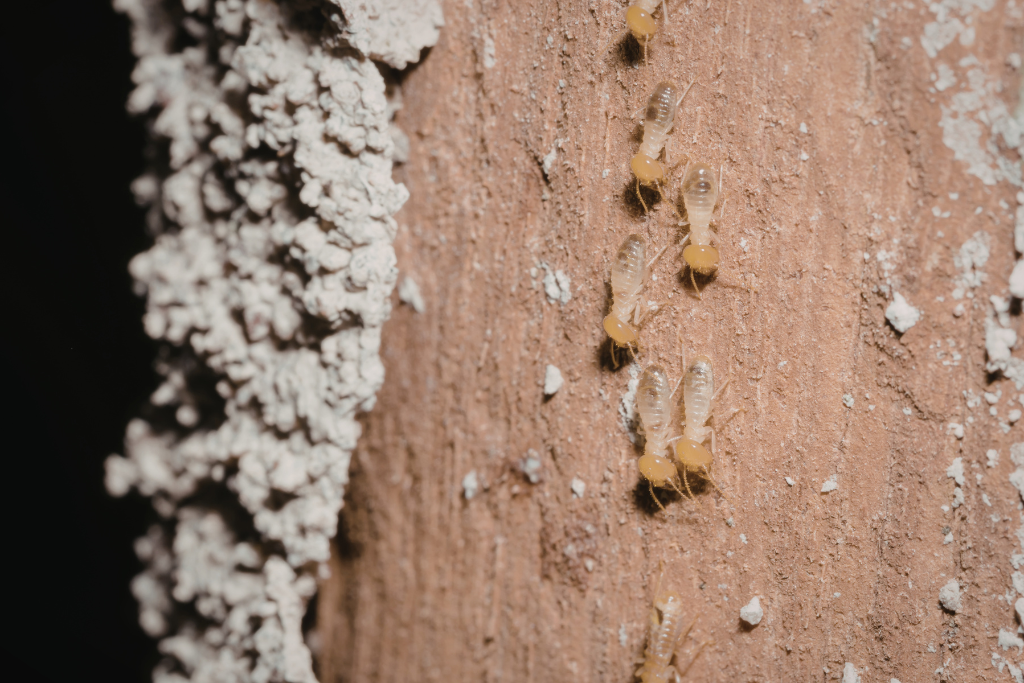
Why Concrete Homes Aren’t Completely Safe
It is a common misunderstanding that concrete foundations offer total protection. In reality, no property is 100% concrete; termites are attracted to moisture and wood regardless of the exterior material.
- Roof framing
- Door and window frames
- Cabinets and flooring
- Drywall backing
- Structural supports in certain sections
All termites need is a nearby food source, and their instinct is to find a way to get to it.
So How Do They Enter?
1. Hairline Cracks You Can’t See
Concrete naturally develops small cracks over time. Some are so thin they look harmless.
But subterranean termites only need 1/32 of an inch. A crack as
2. Expansion Joints and Slab Edges
Concrete slabs have joints where sections meet.
These joints are weak spots. Termites use them like entry doors, moving upward into walls or flooring without being seen.
3. Plumbing and Utility Lines
Pipes leave small gaps, even when it appears sealed. Seals naturally weaken, and termites are guaranteed to find these openings.
Bathrooms, kitchens, and laundry areas are common entry zones.
4. Wood That Touches Concrete
This is one of the biggest issues we see in Buena Park.
If wood directly touches the ground or concrete, like door frames, siding, or patio structures, it becomes an easy bridge.
No digging needed. No cracks required. Just direct access.
Get to know: Do Drywood Termites Thrive Undetected in Wood?
5. Hidden Entry Through Garage and Foundation Areas
Garages often have unfinished edges or small gaps at the slab-wall interface. These areas are rarely inspected closely.
Termites love these quiet, undisturbed spaces. They enter here and spread inward without making it obvious.
Why Homes in Buena Park Are Still at Risk
Properties in Buena Park face termite pressure due to local conditions. Landscapes near local attractions like Knott's Berry Farm often have warm conditions and high moisture levels that attract termite colonies. New builds aren’t immune either; termites don’t discriminate.
Modern construction standards often have small gaps that termites can take advantage of.
If you want to learn more about this, check out Why Homes in Buena Park Are at High Risk for Termite Infestations
Why the Problem Often Gets Worse Before You Notice
Termites in concrete walls remain hidden for longer periods.
No obvious mud tubes are running across open surfaces, as you might see in older wooden homes. Everything happens behind walls, under floors, or inside structures.
That means by the time damage is visible, it’s usually not new.
Learn: What Does Termite Damage Look Like? Signs Every Homeowner Should Know
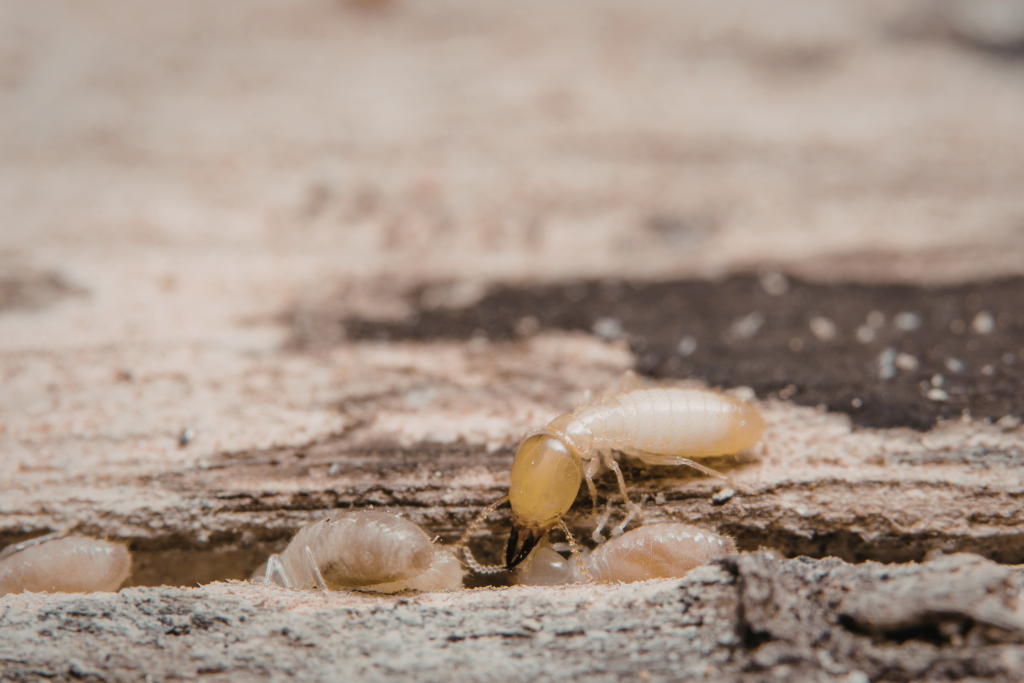
Prevention Comes Down to Awareness, Not Material
Living in a concrete home offers some protection, but it isn’t a guarantee. Prevention relies on vigilance and maintenance, not just construction materials. Homeowners can take simple steps to reduce the risk:
- Keeping exterior areas from building up against walls
- Watching how water flows and settles around the structure
- Paying attention to small changes like bubbling paint, tight doors, or faint hollow sounds in wood
These simple steps make it harder for termites in concrete to establish hidden colonies.
Related Articles:
Which Wood Types Are Most Resistant to Termite Damage?
Where do termites live? Common places they hide in and around your home
Why K Termite Is the Right Choice for Your Home
Surface-level checks are rarely enough to catch infestations hidden behind concrete. Our team uses specialized detection tools to identify activity where it starts, not just where it becomes visible. At K Termite,
FREE Termite inspections in Buena Park followed by a detailed report within one business day. If damage is found, our In-house repair team handles all structural repairs to ensure quality control from start to finish.
Strong warranties and Ongoing protection options prevent repeat issues
Call K Termite today to book your free inspection and get the right solution in place.
FAQs
Q1. Are chemical treatments necessary for concrete homes?
Yes, chemical treatments are often necessary for concrete homes. They create a protective barrier around foundations, slowing termite activity and reducing the risk of infestations before any noticeable damage occurs.
Q2. Are DIY prevention methods enough for concrete homes?
DIY steps like keeping soil away from walls or monitoring moisture are helpful, but professional inspections and treatments are essential to prevent hidden damage.
Q3. Does insulation inside concrete walls attract termites?
Some cellulose-based insulation can attract termites if it contacts wood or moisture. Synthetic insulation is less appealing, but moisture pathways still create risk.
Q4. Can termites eat concrete?
No. Termites cannot eat concrete. Concrete is mineral-based and completely indigestible to them. They can, however, use tiny cracks, gaps, or expansion joints in the concrete to reach wood or other cellulose materials inside your home.

.png)
.png)
.png)
.png)
.png)
.png)
.png)
.png)
.png)
.png)
.png)
.png)
.png)
.png)
.png)
.png)
.png)
.png)
.png)
.png)
.png)
.png)
.png)
.png)
.png)
.png)
.png)
.png)
.png)
.png)
.png)
.png)








.png)
.png)
.png)
.png)
.png)
.png)
.png)
.png)


.png)
.png)






.png)
.png)

.png)
.jpg)

.webp)
.webp)



.webp)

.svg)

