
.png)
A quiet home can sometimes hide the biggest threats, especially termites in wood that cause silent internal destruction. Drywood termite damage often begins long before anyone notices.
By the time a homeowner sees signs, the damage is usually extensive. This raises a critical question: Do drywood termites truly thrive undetected inside wood? The short answer is yes, they can, and they do so with surprising efficiency.
This article explains how they survive unnoticed, the signs that reveal their activity, why early detection matters, and what homeowners can do to protect their homes.

Why Drywood Termites Can Stay Hidden for Years
Drywood termites are uniquely adapted to remain undetected. Their behavior, biology, and nesting habits allow them to live deep inside wood without creating obvious external signs.
1. They Don’t Need Soil to Survive
Unlike subterranean species, drywood termites remain inside the very wood they eat.
- No ground contact.
- No mud tubes.
- No moisture trails.
This independence from soil makes them harder to trace because their colonies remain sealed within beams, frames, doors, furniture, and other wooden structures.
2. Their Colonies Grow Slowly - Which Helps Them Stay Hidden
A typical drywood termite colony grows much more slowly than others. In the early years, the number of termites is small, which means:
- Less noise
- Minimal visible damage
- Fewer droppings
- No obvious signs around the home
This slow development allows them to feed quietly and deeply before the homeowner notices anything unusual.
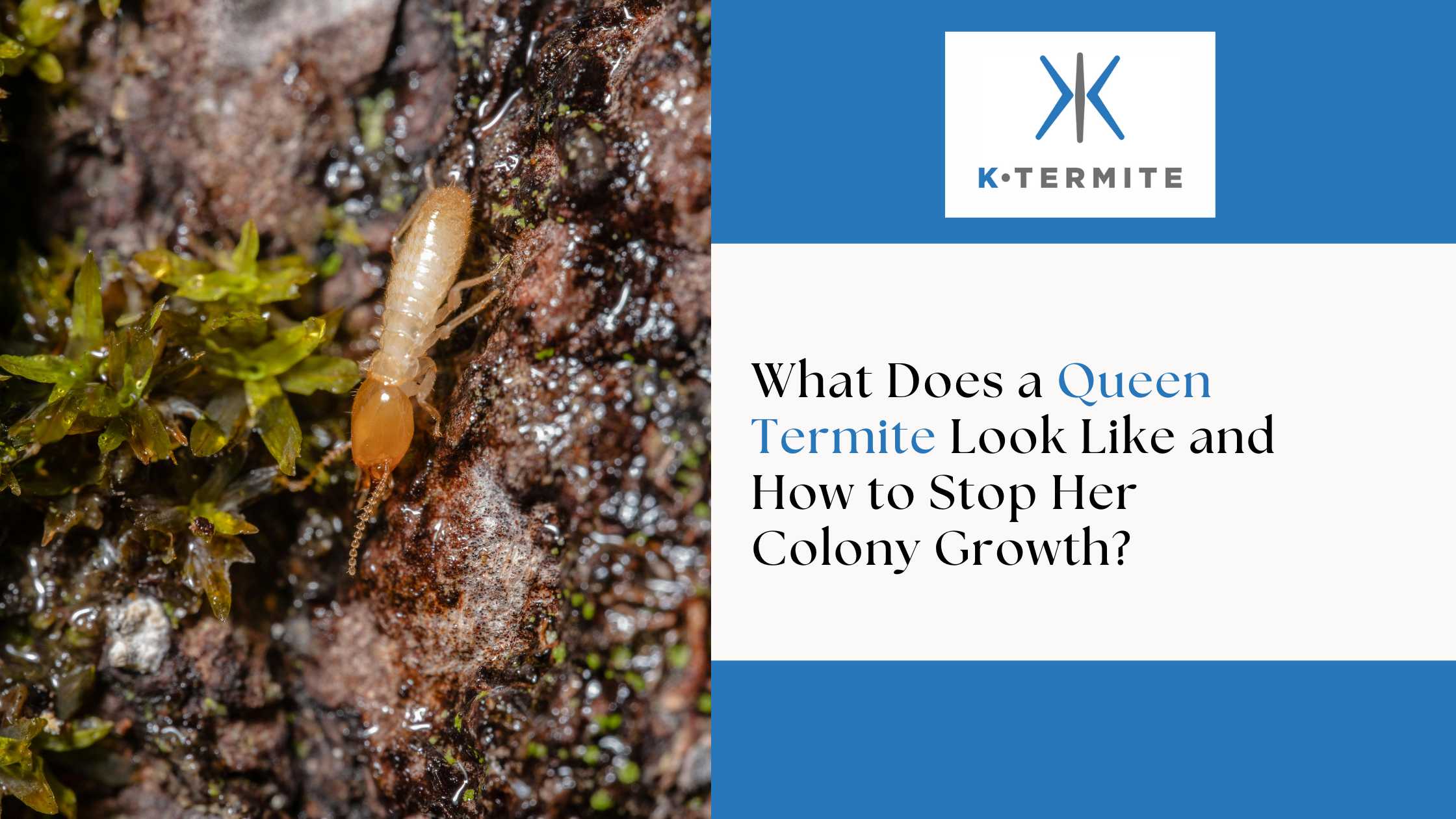
Learn what a termite queen looks like and keep her colony in check!
3. They Seal Their Entry Points
Once drywood termites enter wood through cracks or joints, they seal openings with a cement-like mixture.
This keeps the colony protected and hides any trace of entry.
These sealed openings make detection harder, even for seasoned professionals, unless the inspection is comprehensive.
4. Their Droppings Blend In
Drywood termite droppings, called frass, are among the most obvious clues. But many homeowners mistake frass for:
- Dust
- Dirt
- Sawdust
- Normal wear debris
Unless someone knows exactly what to look for, these droppings can go unnoticed for months or years.
5. They Make Very Little Noise
While some termites are noisy when their colonies grow, drywood termites produce extremely faint sounds:
- Soft tapping
- Hollow rustling
- Gentle chewing
Most people never hear these subtle noises, especially in busy households.
Want to know the signs of drywood termites? Here’s your guide to spotting them early!
How Drywood Termites Spread Inside a Structure
Drywood termites do not need ground contact, so their spread is different from other species. They typically expand inside a property through the following ways:
1. Winged Termites Start New Colonies in Hard-to-See Spots
Winged termites (alates) swarm during warm seasons. After mating, they shed their wings and squeeze into tiny cracks or gaps around the home. These openings can be as small as 1/16 of an inch. Common entry points include:
- Roof joints
- Window frames
- Attic vents
- Fascia boards
- Gaps around doors
Once inside, the pair begins a new colony deep in the wood.
2. Infested Furniture Can Bring Them Indoors
Drywood termites often hitch a ride inside wooden furniture, picture frames, or antiques. Many homeowners are unaware that a single, small colony inside a chair or shelf can eventually spread to other parts of the property.
3. They Expand Gradually Through Connected Wood Members
Over time, the colony tunnels through connected timber. A beam in the attic may lead to rafters, which lead to fascia, which lead to eaves. Their slow but steady expansion can weaken structural components long before surface damage appears.
Related Articles:
Subterranean Termites vs Drywood Termites: Which Is More Dangerous?
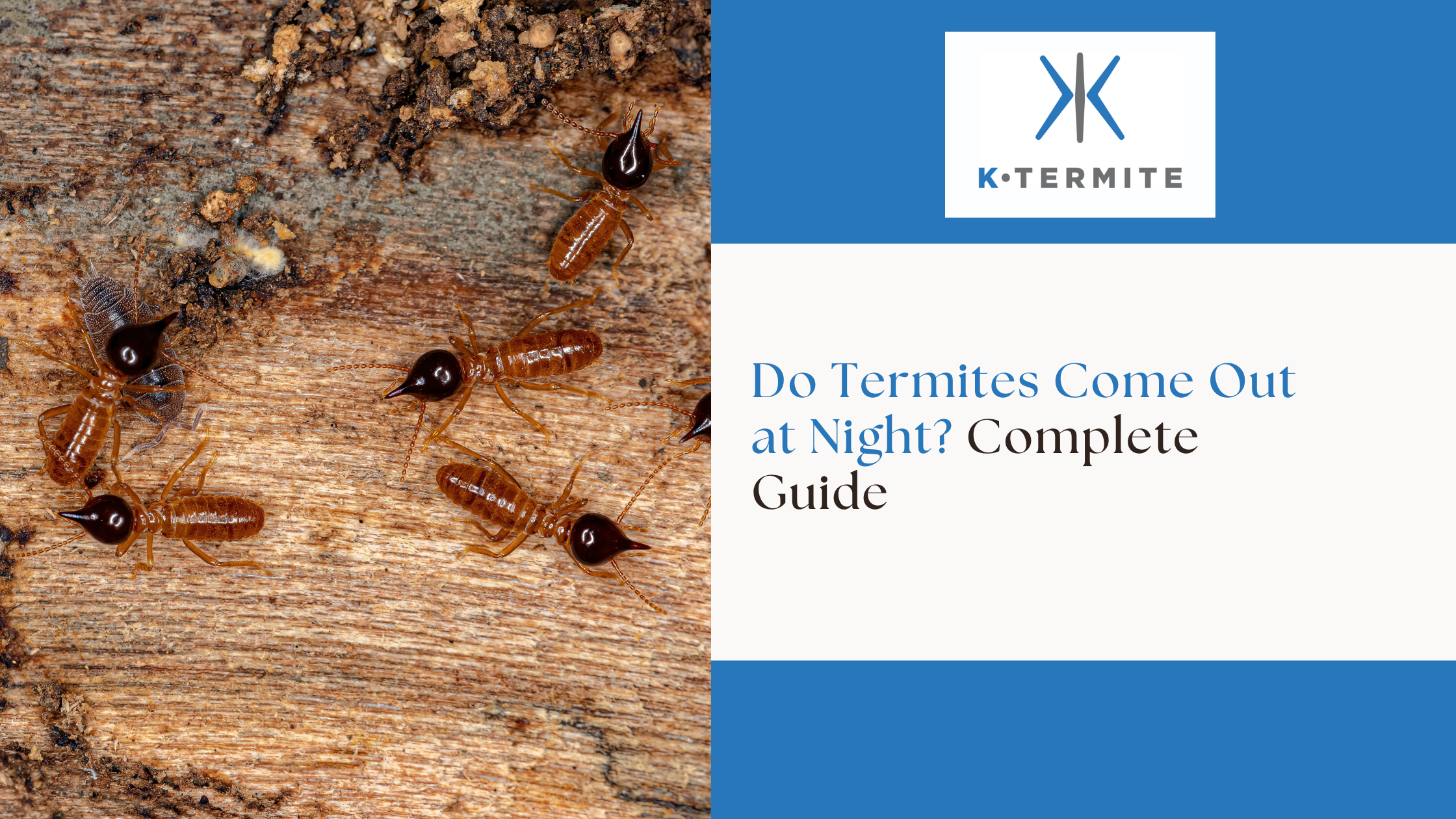
Do Termites Come Out at Night? Complete Guide
How Long Do Termites Live? Complete Guide
Why Early Inspection Is So Important
Because drywood termites stay hidden for long periods, early professional inspection becomes vital. By the time obvious damage appears, the internal galleries may be far more extensive than they look from the outside.
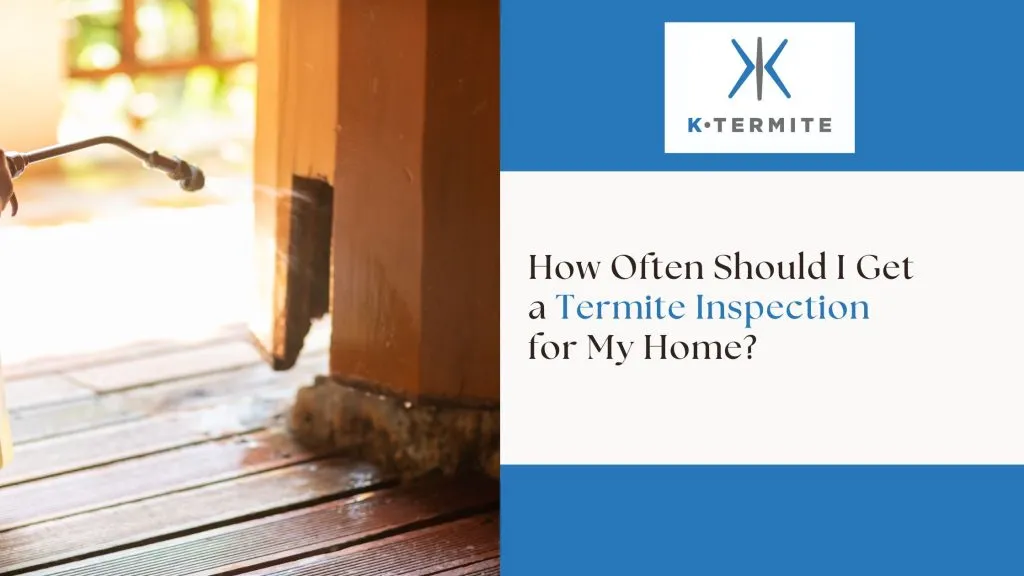
A licensed inspector can examine areas most homeowners overlook, including tight attic spaces, deep structural corners, and the undersides of beams. Identifying early signs prevents large repair bills and stops colony spread.

Strong Protection for Your Home Starts With a Proper Inspection
At K Termite, we take drywood termite activity seriously because silent wood damage can lead to bigger issues if ignored. Our team focuses on detailed inspections that reveal drywood activity, hidden galleries, and early warning signs inside attics, crawl spaces, frames, and all wooden elements.
How We Help:
- Free inspections designed to pinpoint hidden activity
- Multiple treatment options are suited for different levels of infestation.
- In-house carpentry for repairs that restore damaged wood
- A termite protection policy that helps keep your property safe year-round
We work with precision, transparency, and clear reporting so you never feel left in the dark. Our goal is simple: safeguard your home with reliable solutions and long-lasting results.
If you see pellets, hollow wood sounds, or suspect activity, scheduling an inspection is the smartest first step. K Termite is here to help.
Conclusion
Drywood termites have mastered the art of staying hidden. Their ability to nest inside wood, feed silently, and leave few early signs allows them to thrive unnoticed for long periods. But homeowners aren’t powerless. With proper awareness, early inspections, and reliable service from professionals like K Termite, it’s possible to catch these intruders before they cause major harm.
Staying alert, recognizing subtle clues, and acting quickly can save your home from costly repairs and long-term structural issues. Drywood termites may be quiet, but with the right approach, they don’t stand a chance.
FAQs
1. How Do Termites Eat Wood?
Termites break down cellulose in wood using powerful enzymes, allowing them to tunnel silently inside structures while feeding and weakening the material from within.
2. Why Are Drywood Termites So Damaging?
They live completely inside dry wood, stay hidden for years, create internal tunnels, weaken structures quietly, and often go unnoticed until significant internal damage has already developed.

.png)
.png)
.png)
.png)
.png)
.png)
.png)
.png)
.png)
.png)
.png)
.png)
.png)
.png)
.png)
.png)
.png)
.png)
.png)
.png)
.png)
.png)
.png)
.png)
.png)
.png)
.png)
.png)
.png)
.png)
.png)
.png)








.png)
.png)
.png)
.png)
.png)
.png)
.png)
.png)


.png)
.png)







.png)
.png)

.png)
.jpg)

.webp)
.webp)




.webp)

.svg)

