
.png)
Termites rarely make noise. They do not announce their presence, and by the time visible damage appears, the problem is often already serious. For many homeowners, the question is not if termites will appear, but when. One of the most effective long-term solutions is a perimeter soil termite treatment. The earlier the better.
Soil treatment is not something homeowners usually think about until termite signs appear. Waiting too long leads to costly repairs and potentially structural concerns. Starting perimeter treatments early protects your home before damage spreads.
This article explains what a perimeter soil termite treatment is, when homeowners should consider it, and why early action makes a real difference.
What Is Soil Termite Treatment?
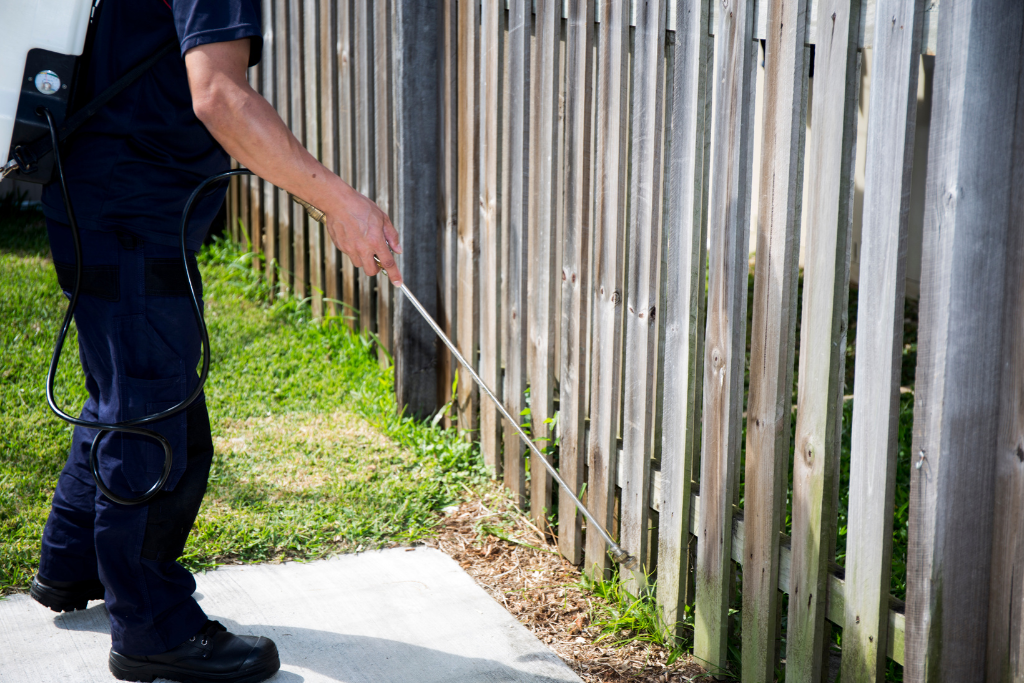
Soil termite treatment involves applying a protective solution into the ground around and beneath a structure. This creates a barrier between termites living in the soil and the wood inside your home.
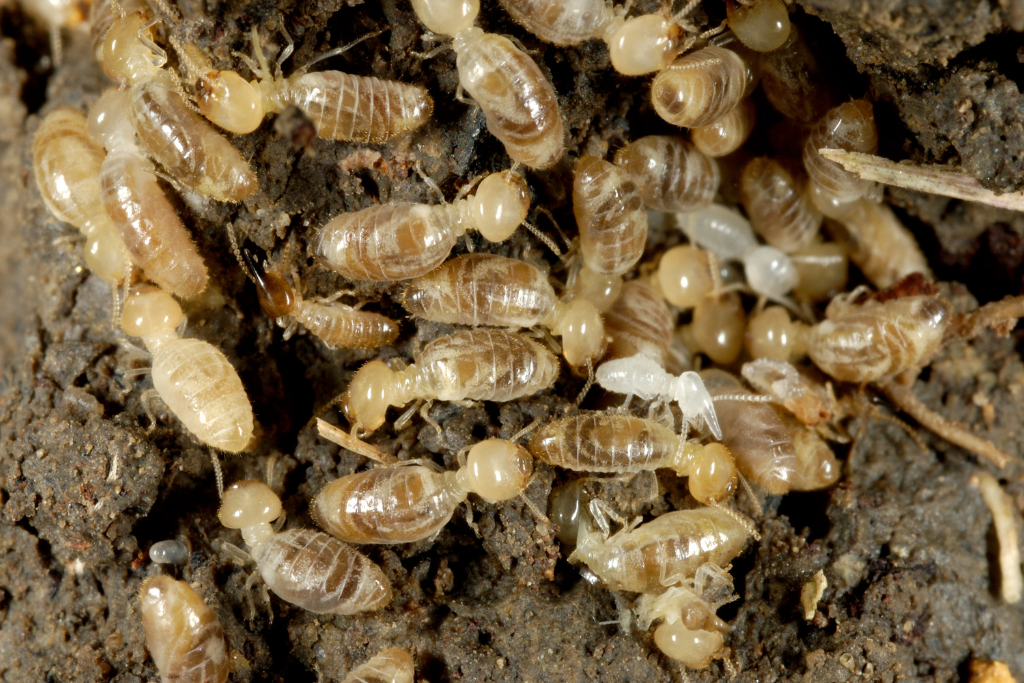
Subterranean termites live underground and travel through soil to reach food sources. When the soil around a home is properly treated, it helps stop these termites from entering or surviving near the structure.
This type of treatment can be used for:
- Active termite issues
- Preventive protection
- New construction
- Homes in high-risk areas like Southern California
Because it works below the surface, termite soil treatment is considered one of the most reliable methods for long-term protection.
Signs It’s Time for Soil Termite Treatment
1. When You Notice Signs of Termite Activity
One of the clearest times to consider soil termite treatment is when signs of termites in the soil or near the foundation appear. These signs may include:
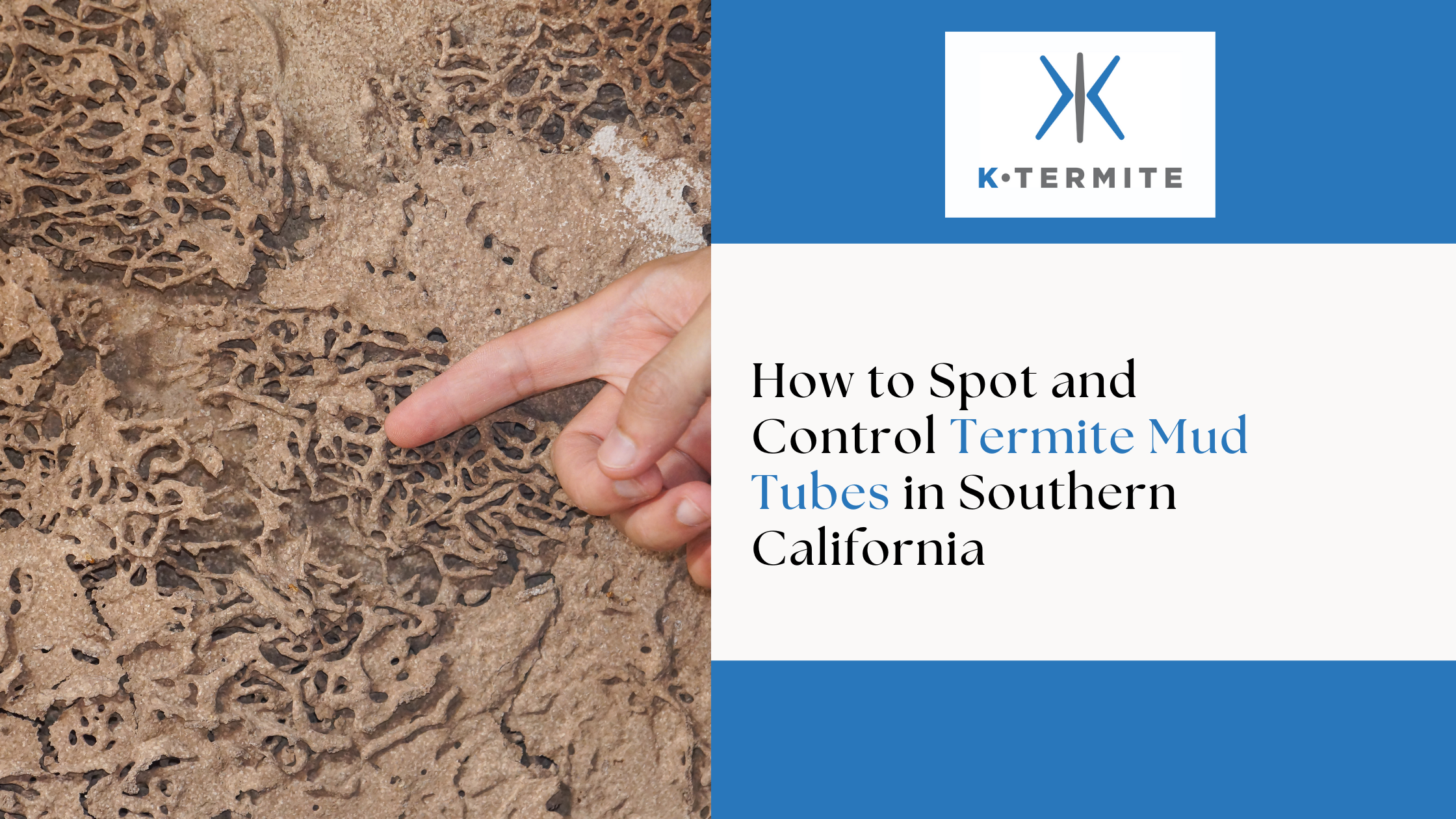
- Mud tubes along foundations or walls
- Hollow-sounding wood
- Doors or windows that suddenly stick
- Discarded wings near windows or doors
- Soft or damaged wood around baseboards or framing
When termites are already present, soil treatment helps eliminate colonies that live underground and prevents new ones from reaching your home.
Acting quickly at this stage can limit damage and reduce the need for extensive repairs later.
2. After a Professional Termite Inspection Confirms Risk
Not all termite activity is obvious. In many cases, termites are found during a professional inspection before damage becomes visible.
If an inspection shows:
- Subterranean termite activity
- Conditions that attract termites
- Previous termite damage
- High moisture near the foundation
…soil termite treatment may be recommended even if active termites are not currently visible.
This preventive ground treatment for termites protects your home before colonies spread further.
Learn: Why Your Home Maintenance Checklist Should Include a Termite Inspection
3. When Buying or Selling a Home
Real estate transactions are another key time to consider soil termite treatment.
For Buyers
If a termite inspection report shows:
- Past termite activity
- Evidence of soil-dwelling termites
- Areas vulnerable to infestation
A soil treatment can be completed before or shortly after purchase, giving new homeowners peace of mind.
For Sellers
Completing soil termite treatment before listing a home can:
- Improve buyer confidence
- Help avoid delays during escrow
- Show proactive home care
- Reduce negotiation issues related to termite findings
Many homeowners choose soil treatment during this stage to protect property value and avoid future concerns.
Get to know: Why a Termite Report Is Crucial When Buying or Selling a Home
4. When Building a New Home or Addition
One of the best times for soil termite treatment is before construction is completed.
Pre-construction soil treatment is applied before concrete is poured, allowing full access to the soil beneath the structure. This creates a continuous protective barrier that is difficult to achieve after a home is finished.
Soil treatment is commonly recommended for:
- New home construction
- Room additions
- Garage conversions
- Major remodeling projects involving foundations
Treating the soil early can protect the structure from the very beginning.
Building a new home in Southern California? Learn how to stop termites before they ever get inside.
5. If Your Home Is in a High-Risk Area
Certain regions are more prone to termite activity due to climate, soil conditions, and construction styles. Homes in warm areas with mild winters and occasional moisture are especially vulnerable.
You should consider soil termite treatment if your home:
- Is located in a known termite-prone area
- Has a crawl space or slab foundation
- Is surrounded by landscaping close to the foundation
- Has irrigation systems near the structure
In high-risk areas, soil treatment acts as a long-term defense rather than a reaction to damage.
6. After Previous Termite Damage or Treatment
If your home has had termites in the past, soil termite treatment is often recommended to prevent repeat activity.
Previous treatment methods may not offer long-lasting protection if:
- They did not address termites in the soil
- The protective barrier has broken down over time
- Landscaping or plumbing changes disturbed treated areas
Soil treatment helps ensure that underground colonies cannot return and cause new damage.
7. When Moisture Problems Exist Around the Foundation
Termites are drawn to moisture. Homes with water-related issues around the foundation face a higher risk.
Consider soil termite treatment if your property has:
- Poor drainage
- Leaking outdoor plumbing
- Standing water near the foundation
- Excessive irrigation close to walls
- High moisture in crawl spaces
Treating the soil, along with correcting moisture issues, helps reduce conditions that attract termites.
Moisture problems aren’t just about comfort - learn how they attract termites, fuel colonies, and threaten homes.
8. As a Preventive Measure for Long-Term Protection
Many homeowners choose soil termite treatment even when no termites are found. This proactive approach is common for homeowners who want long-term protection and fewer worries.
Preventive soil treatment is ideal for:
- Older homes
- Homes without prior treatment records
- Properties surrounded by trees or wood structures
- Homeowners planning to stay long-term
Preventive treatment can be more affordable than dealing with damage later.
How Long Does Soil Termite Treatment Last?
The longevity of soil termite treatment depends on:
- The product used
- Soil conditions
- Environmental factors
- Proper application
In many cases, soil treatments can protect for several years. Some treatments include renewable warranties that offer continued coverage and inspections.
Regular inspections help ensure the treatment remains effective over time.
Related Articles:
Eco-Friendly Termite Treatment Solutions for Pasadena Homeowners
How Do Termites Get Into Attics and Wall Voids?
Which Termite Treatments Are Safe for Kids and Pets in Southern California?
Why Professional Application Matters
Soil termite treatment is not a simple surface application. It requires:
- Precise trenching and drilling
- Correct depth and spacing
- Knowledge of soil types
- Careful application around foundations
Improper treatment can leave gaps that termites may find. This is why professional service is essential for reliable results.
Note: When it comes to soil termite treatment, experience and timing matter. At K Termite, we don’t believe in one-size-fits-all solutions. Our goal is to provide dependable protection that fits your home’s structure, condition, and long-term needs. Through careful inspections and well-planned treatments, we focus on solutions that work below the surface to protect what matters most.
Contact K Termite today to schedule your free termite inspection and protect your home with confidence.
Soil termite treatment is one of the most effective ways to protect a home from underground termite activity. The right time to consider it may be when signs appear, during a real estate transaction, before construction, or even as a preventive measure.
Waiting until damage becomes visible often results in higher repair costs and increased stress. By understanding the warning signs and risk factors, homeowners can take action early and protect their investment.
If you are unsure whether soil termite treatment is right for your home, a professional inspection is always the best first step.
Protect your home today - before termites turn a small issue into a major problem.

.png)
.png)
.png)
.png)
.png)
.png)
.png)
.png)
.png)
.png)
.png)
.png)
.png)
.png)
.png)
.png)
.png)
.png)
.png)
.png)
.png)
.png)
.png)
.png)
.png)
.png)
.png)
.png)
.png)
.png)
.png)
.png)









.png)
.png)
.png)
.png)
.png)
.png)
.png)
.png)


.png)
.png)







.png)
.png)

.png)
.jpg)

.webp)
.webp)



.webp)

.svg)

