
.png)
When it comes to protecting homes from termites, there’s no shortage of misleading or incorrect advice.. One of the most common questions homeowners ask is, “Does cold weather kill or simply slow their activity?
This question is especially relevant in Southern California, where winters are mild and freezing temperatures are rare and short-lived. Many homeowners assume that cooler weather naturally reduces termite activity. Unfortunately, that assumption can lead to costly surprises.
In this article, we’ll explain how termites respond to cold, why freezing temperatures don’t eliminate colonies in Southern California, and what truly works when it comes to protecting your home.
How Termites Respond to Cold
Termites are cold-blooded organisms, meaning they rely on their surroundings to regulate body temperature. When temperatures drop, their metabolism slows. Movement decreases. Feeding activity reduces. But it doesn’t stop.
In extreme cold, termites can die, but only if they are exposed to sufficiently low temperatures for long periods of time. The type of chill we experience in Southern California doesn’t do anything to affect termites. The reason why we live here in Southern California is the same reason termites thrive here.
Termites are not exposed to the open air. They remain hidden in soil, wood, or protected structural areas where temperatures are warmer and stable than the outside environment.
Get to know: Is My Home at Risk for Termites in Southern California?
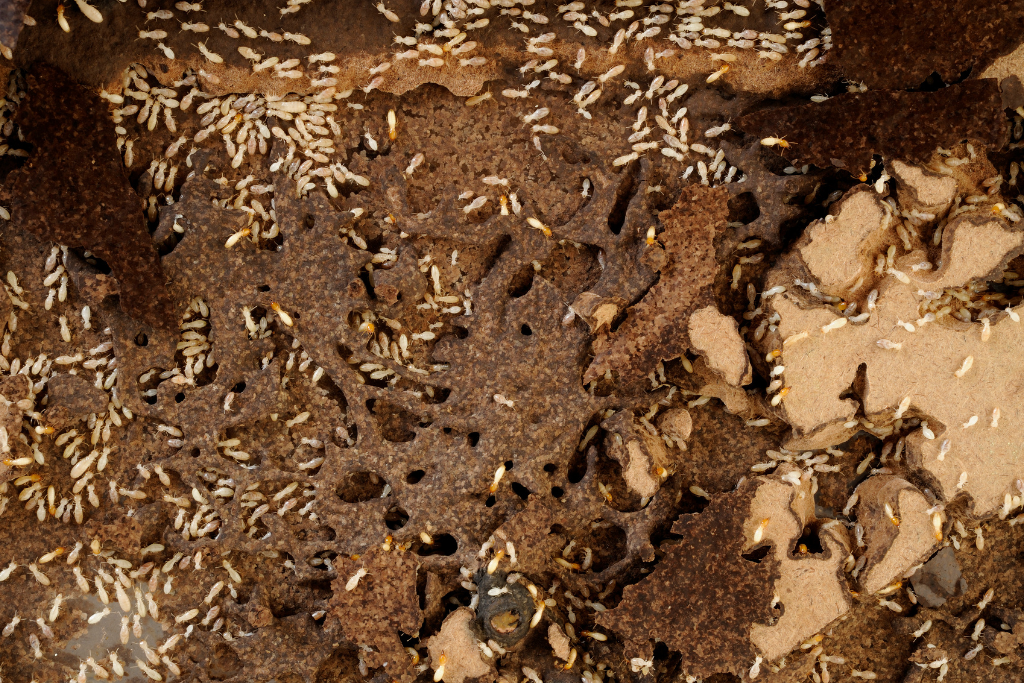
Termite Biology and Temperature Tolerance
Termites are remarkably adaptable, having evolved to survive in a wide range of climates. Some species thrive in tropical forests, while others exist in temperate zones. What keeps them alive during colder months is their ability to adapt and seek warmth and moisture.
- Burrowing deep: Subterranean termite colonies can be deep underground, where temperatures remain stable year-round.
- Constructing shelters: Termite workers nest underneath the ground, or directly into wood where humidity and temperature are consistent and not prone to major swings.
- Clustering: In colder weather, termites cluster together. The collective body heat helps them survive moderate temperature drops.
The key point: termites don’t live on the surface where freezing air can easily reach them. Instead, they stay in protected environments where temperatures stay above lethal thresholds even during winter.
Southern California’s climate, including coastal areas and inland valleys, rarely sees prolonged freezing temperatures at ground level. Nights may get cool, especially in winter, but daytime temperatures quickly rebound. Ground and soil temperatures — where termites live are even more stable and rarely fall anywhere near what would be required to kill these insects through cold.
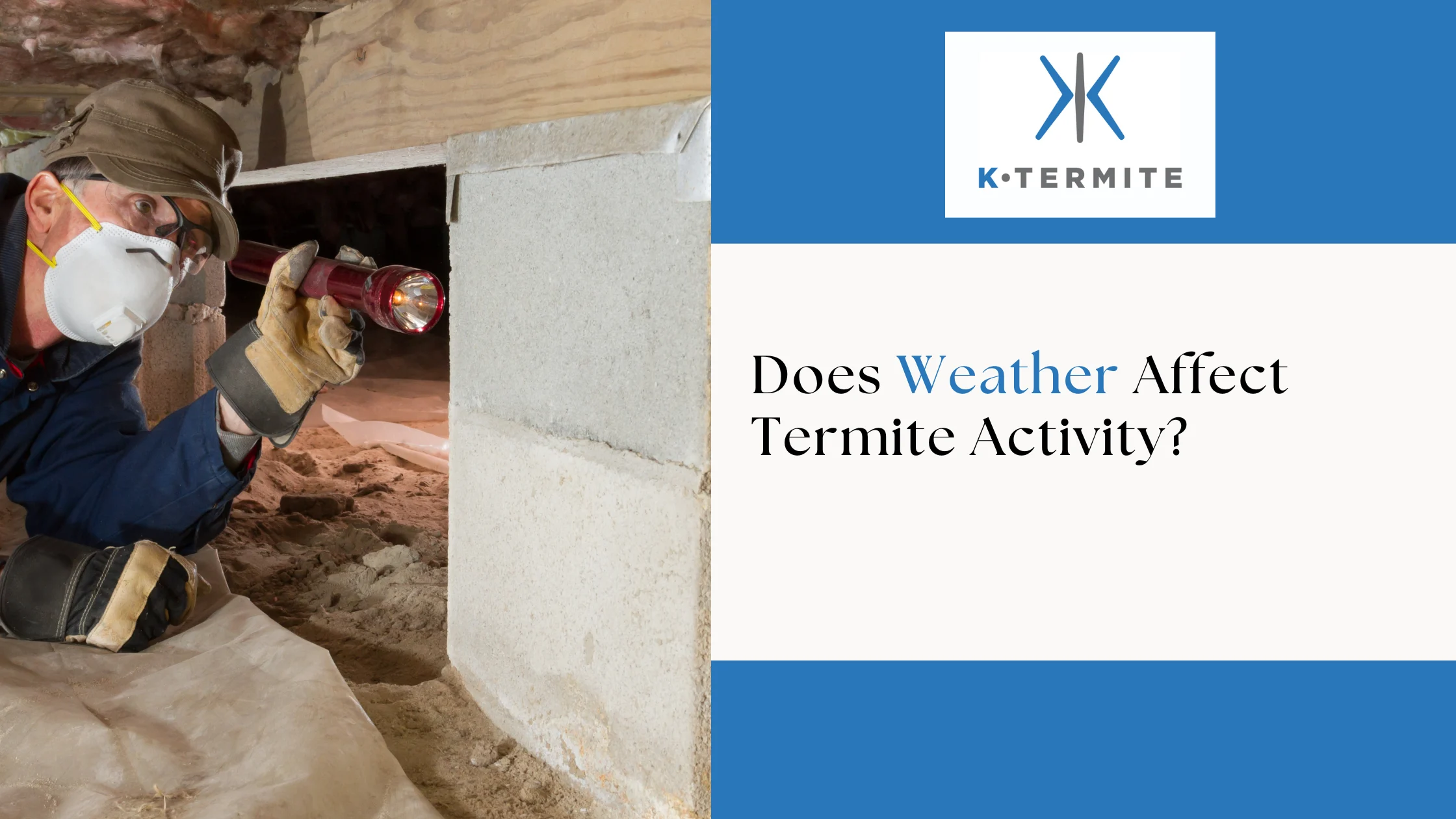
Learn: Does Weather Affect Termite Activity?
What Freezing Actually Does
If termites are directly exposed to very low temperatures (well below freezing) for a sufficient duration, it can kill them. This is especially true for certain drywood species exposed without insulation or protection. Scientists have measured lethal temperatures for termites in controlled conditions:
- Subzero exposures: Many termite species begin to die at sustained temperatures below about 20°F (-6.7°C), with increased mortality as temperatures drop.
- Duration matters: Short cold snaps might incapacitate them temporarily, but won’t necessarily cause death unless the low temperature lasts for hours or days.
Does that sound like the weather in Southern California? Not really. It very rarely gets cold enough to either slow metabolism to a lethal level or freeze them to kill them outright. Termites are shielded from the elements. Your home rarely becomes an environment cold enough to significantly affect termite colonies.
Related Articles:
Why Fumigation Is the Best Option for Your Home
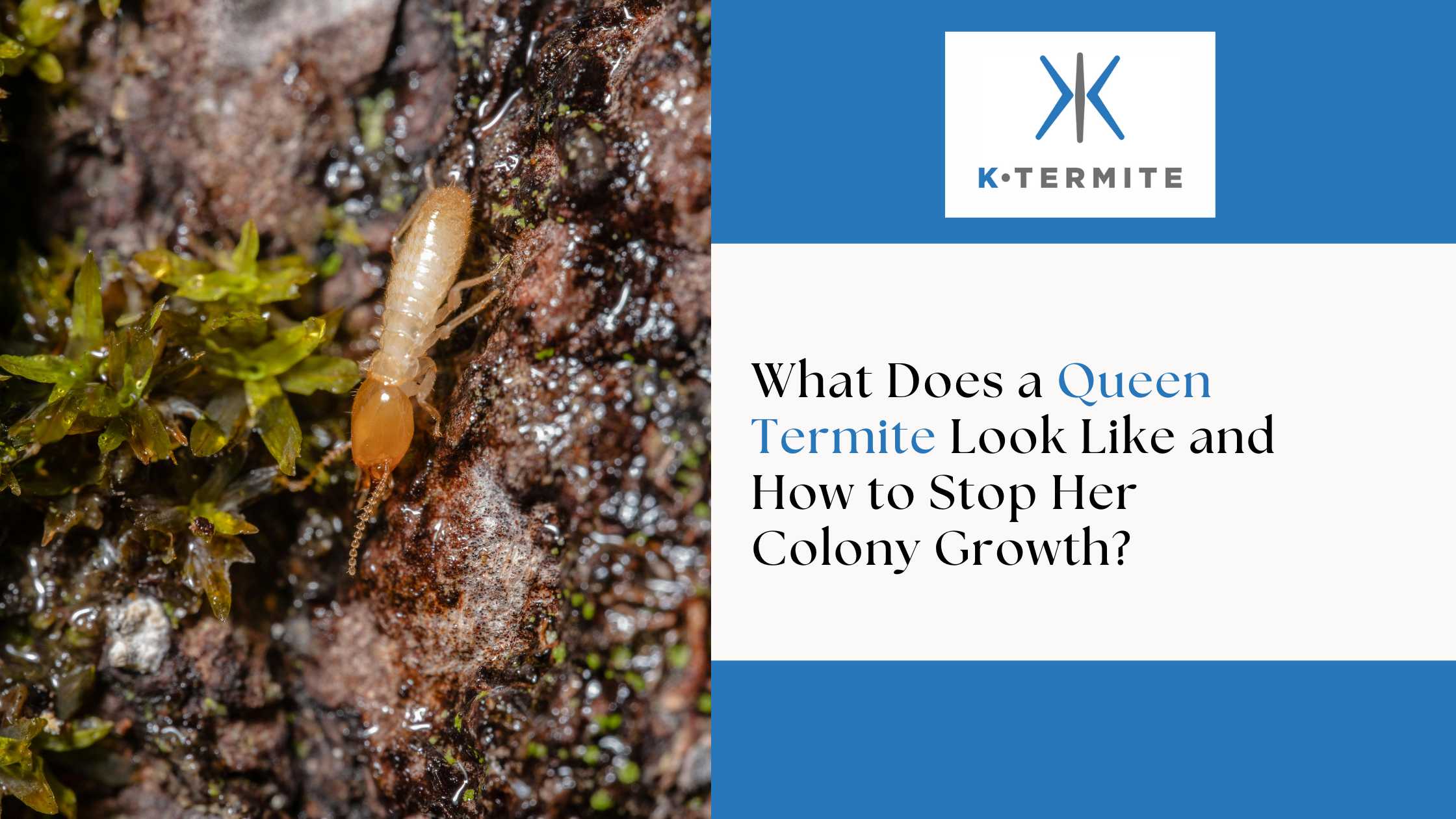
What Does a Queen Termite Look Like and How to Stop Her Colony Growth?
Can Termites Be Removed Permanently?
Why Freezing Isn’t a Reliable Control Method in Southern California
Given termite behavior and regional climate conditions, freezing isn’t a dependable strategy for controlling them in this area. Here are a few reasons why:
1. Protection Underground
Subterranean termites live in the soil. Soil is a natural insulator that rarely reaches temperatures low enough to harm them even in winter. Air temperatures in Southern California may dip near freezing at night in some inland valleys, but soil temperatures just a few inches down remain far warmer.
2. Structural Insulation
Termites inside homes are within walls, in wooden structures, or inside furniture. These locations are protected by insulation, drywall, and other materials that buffer temperature changes. Even if outdoor air reaches freezing, it doesn’t penetrate deep enough into structures to kill termites.
3. Behavior Shifts but Not Elimination
When temperatures cool, termites become less active. That slows their feeding and movement, but it doesn’t stop the colony. Once warmer weather inevitably returns, activity resumes, and any damage marches on as normal.
4. Drywood Species Adaptation
Southern California also has drywood termite species, which live entirely inside wood and don’t require contact with soil. These termites are even more insulated from outdoor temperatures. Freezing air has virtually no impact on them unless wood is extremely cold for a sustained time, something that doesn’t happen to interior wooden structures. Or in Southern California itself
When Cold Can Be Used
Although you can’t rely on the weather to kill termites in Southern California, controlled applications of cold can be used in specialized treatments for small, contained wood pieces. In some laboratory or industrial settings, wood infested with termites can be frozen in chambers to kill the insects.
However, this method has no practical application. Freezing can be lethal under the right conditions, but not something that limits termite problems around homes in Southern California.
What Actually Causes Termites to Die
Instead of relying on cold, effective termite control, prevention involves scientifically developed techniques tailored to the species present and the local climate.
1. Regular Inspections
Termite activity goes unnoticed until significant damage has occurred. Annual or inspections help catch signs early. Trained inspectors know where to look, what to look for, and areas most prone to termites.
2. Soil Treatments
Liquid barriers applied around a home’s perimeter create a protective zone that termites cannot easily penetrate. These barriers work beneath the surface and alongside foundations where termites forage.
3. Wood Treatments
For drywood termites inside structures, localized treatments with a direct injection of termiticides may be used to treat infested wood without whole-house fumigation.
4. Moisture Management
Termites are attracted to moisture. Fixing leaks, ensuring proper drainage, and reducing contact between soil and wood can make properties less favorable for colonies.
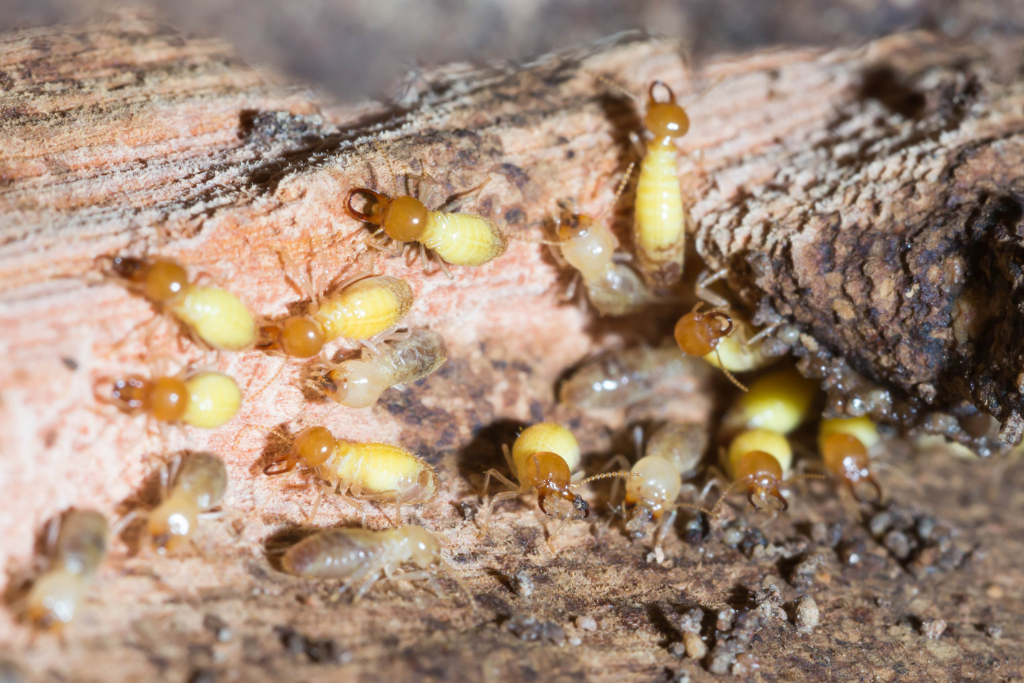
How K Termite Protects Homes in Southern California
For homeowners in Southern California looking for real protection, not wishful thinking K Termite provides professional termite control services you can trust.
Comprehensive Termite Inspections
Termite activity doesn’t pause when it gets chilly. That’s why we offer thorough, detailed inspections using the latest detection tools. Whether it’s drywood termites in attic beams or subterranean termites near your foundation, early detection is key.
Custom Treatment Plans
Every infestation is different. We evaluate your property’s unique conditions and termite species to design a plan that fits. From targeted localized treatments to soil barriers and liquid treatments, you get solutions that work.
Preventive Protection and Peace of Mind
With ongoing protection plans, regular follow-ups, and expert recommendations on moisture control and best practices, you can keep termites at bay year-round.
Free termite inspections and honest assessments ensure you understand your risks and options before committing to treatments.
Does Cold Weather Kill Termites?
In Southern California, freezing temperatures do not reliably kill termites. At best, cold weather slows them down temporarily. Colonies survive during the cold resume activity once temperatures rise.
Freezing is unpredictable and ineffective, so homeowners should never rely on the weather alone to protect their property.
If you suspect termite activity or want to make sure your home is protected year-round, professional inspection and treatment are the only dependable solutions.
For trusted expertise, proven methods, and long-term peace of mind, K Termite is here to help.

.png)
.png)
.png)
.png)
.png)
.png)
.png)
.png)
.png)
.png)
.png)
.png)
.png)
.png)
.png)
.png)
.png)
.png)
.png)
.png)
.png)
.png)
.png)
.png)
.png)
.png)
.png)
.png)
.png)
.png)
.png)
.png)








.png)
.png)
.png)
.png)
.png)
.png)
.png)
.png)


.png)
.png)






.png)
.png)

.png)
.jpg)

.webp)
.webp)



.webp)

.svg)

